Story Summary:
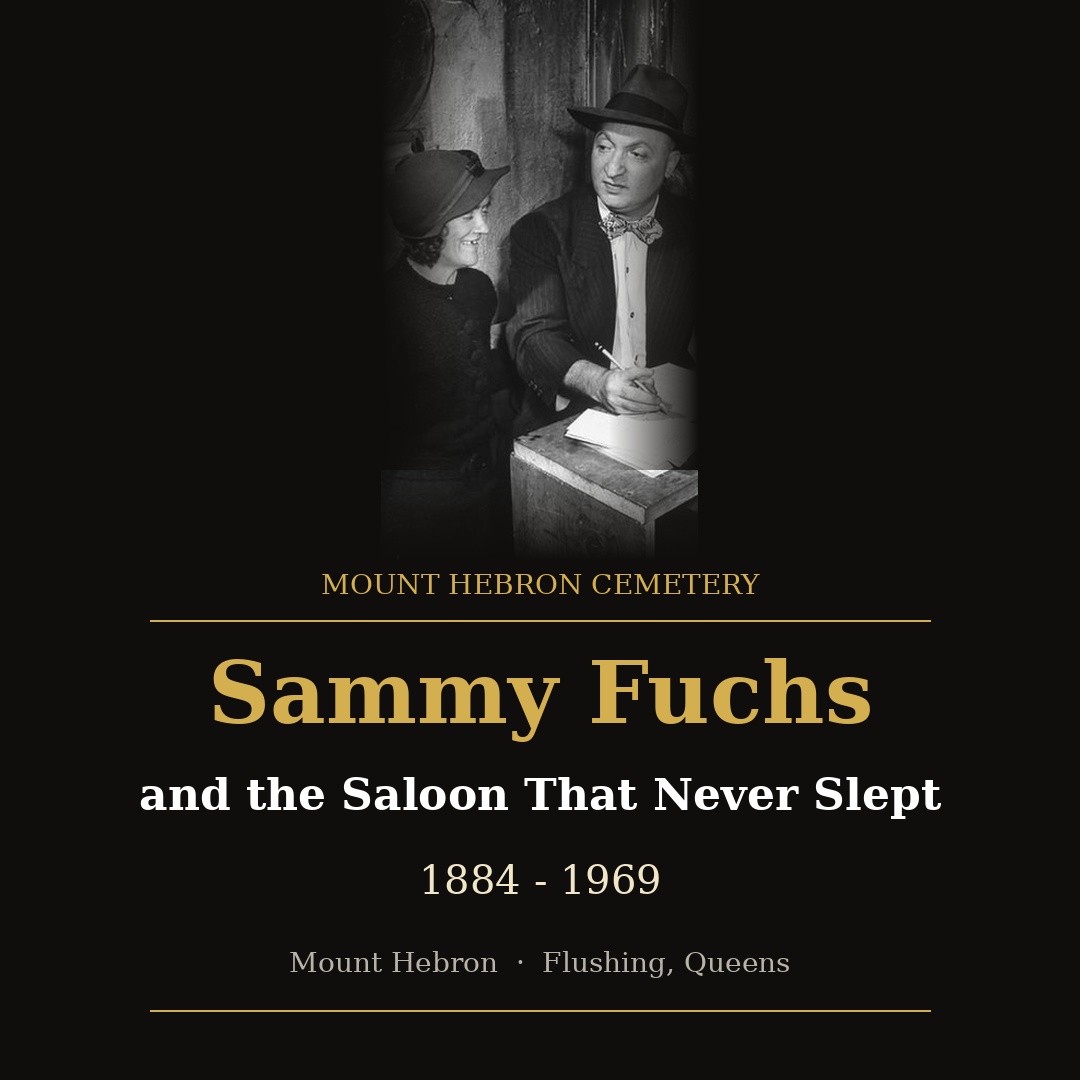
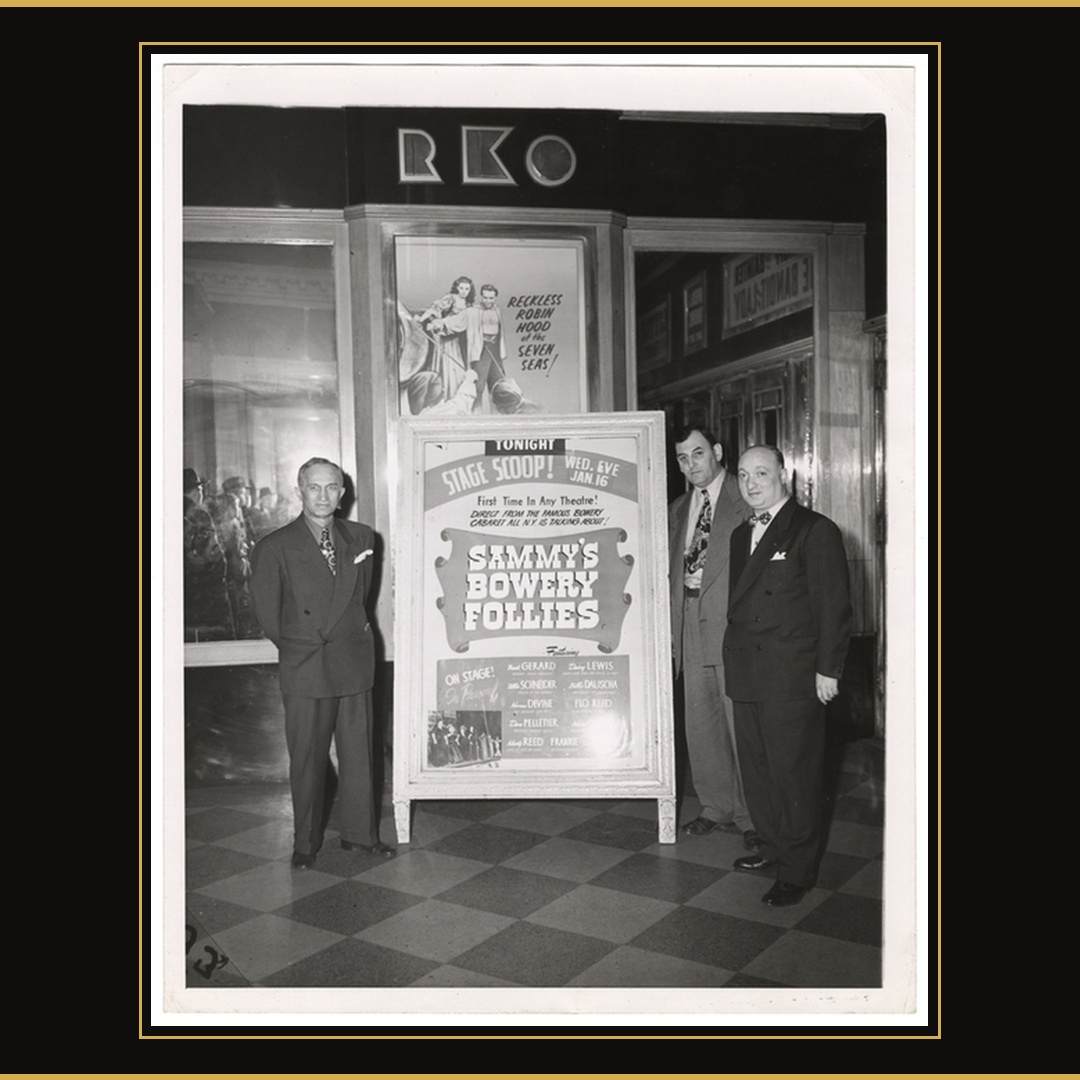
Sammy Fuchs grew up on the Bowery and worked his way from busboy to saloon owner. In 1934, in the depths of the Depression, he opened Sammy's Bowery Follies at 267 Bowery. The bar ran twenty hours a day and drew everyone from derelicts to uptown socialites, earning a famous Life magazine feature in 1944. What set Sammy's apart was its stage, where aging vaudeville performers who had nowhere left to go sang night after night. The saloon lasted thirty-six years, closing in 1970, one year after Sammy died at eighty-four. He rests today at Mount Hebron Cemetery in Flushing, Queens. ~Blog by Deirdre Mooney Poulos
Last Call at 267 Bowery: The Life and Legend of Sammy Fuchs and Sammy's Bowery Follies
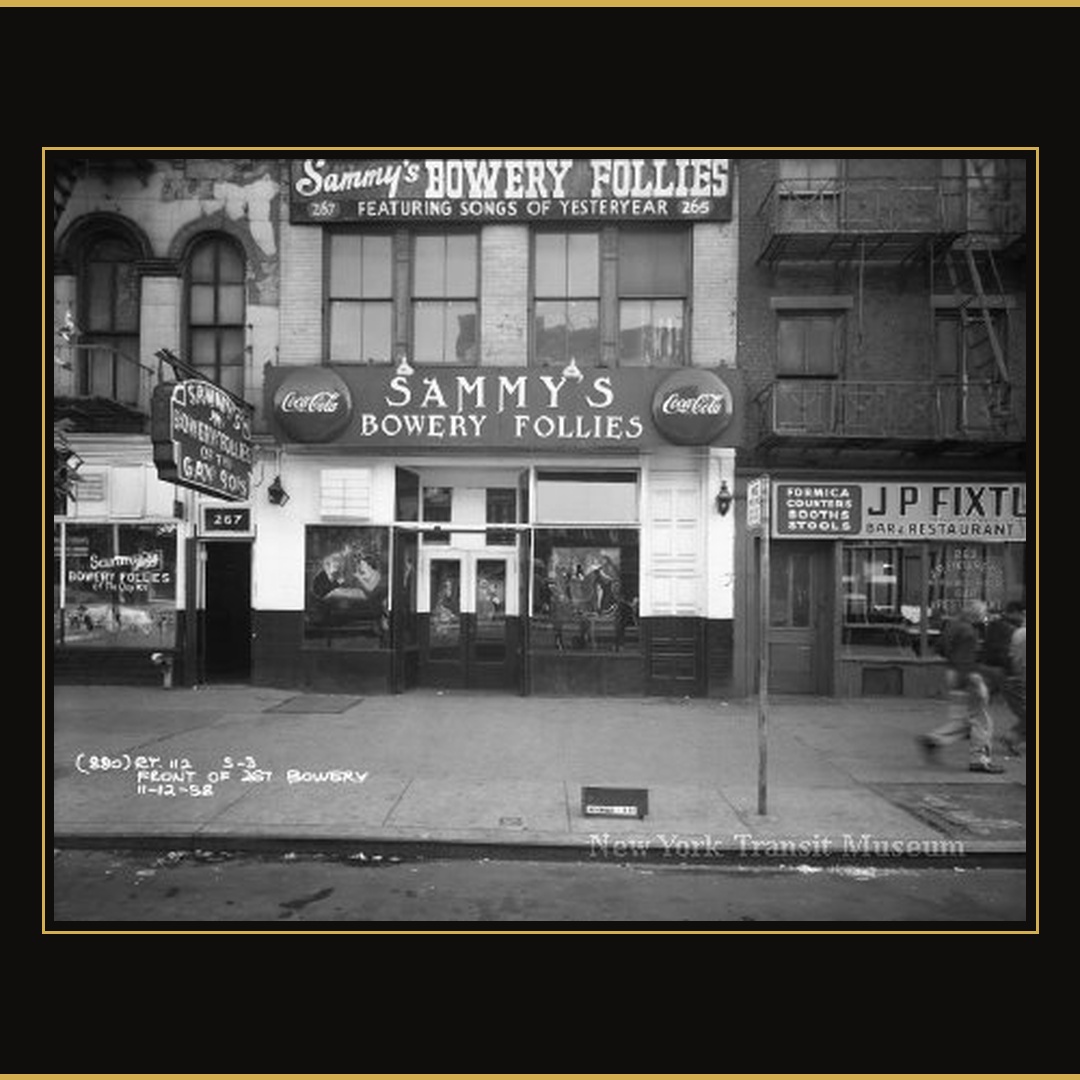
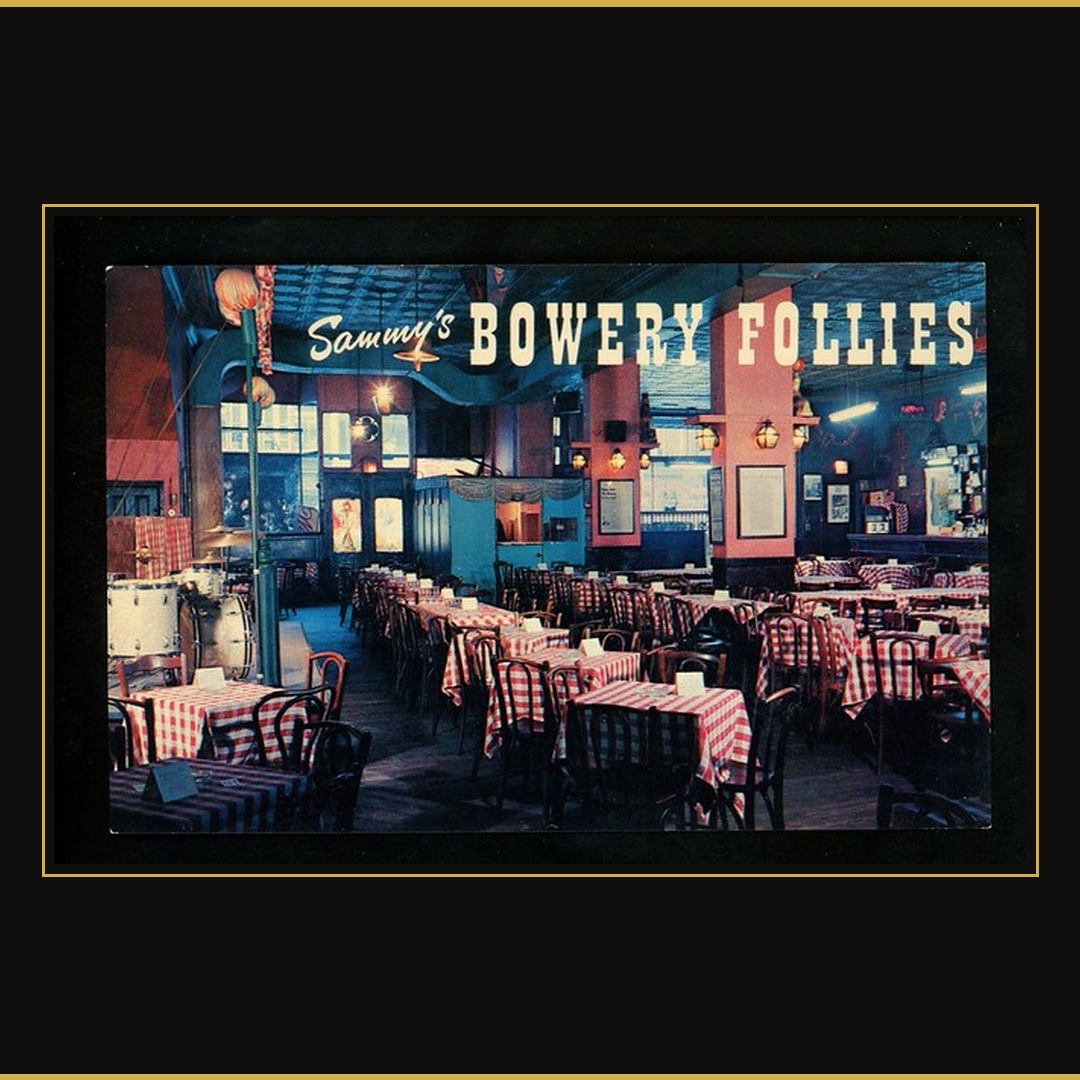
There is a particular kind of New York institution that defies easy description. Not a restaurant exactly, not a bar exactly, not a theater exactly, but something that contains all three and spills out onto the sidewalk and into the memory of everyone who ever walked through the door. Sammy's Bowery Follies, at 267 Bowery in lower Manhattan, was that kind of place. And the man who built it, Sammy Fuchs, was that kind of man.
Sammy Fuchs was born on July 4, 1884, in the Bowery neighborhood of New York City, though at least one source gives 1905 as an alternate birth year. He grew up in one of the roughest and most storied streets in American urban history. The Bowery in the late nineteenth century was a world unto itself, a mile-long corridor of saloons, flophouses, pawnshops, theaters, concert halls and mission houses, all packed together in a neighborhood that had been simultaneously notorious and beloved since the colonial era. It was the street where immigrants landed, where vaudeville was born, where the down and out came to disappear and where the curious came to watch them do it.
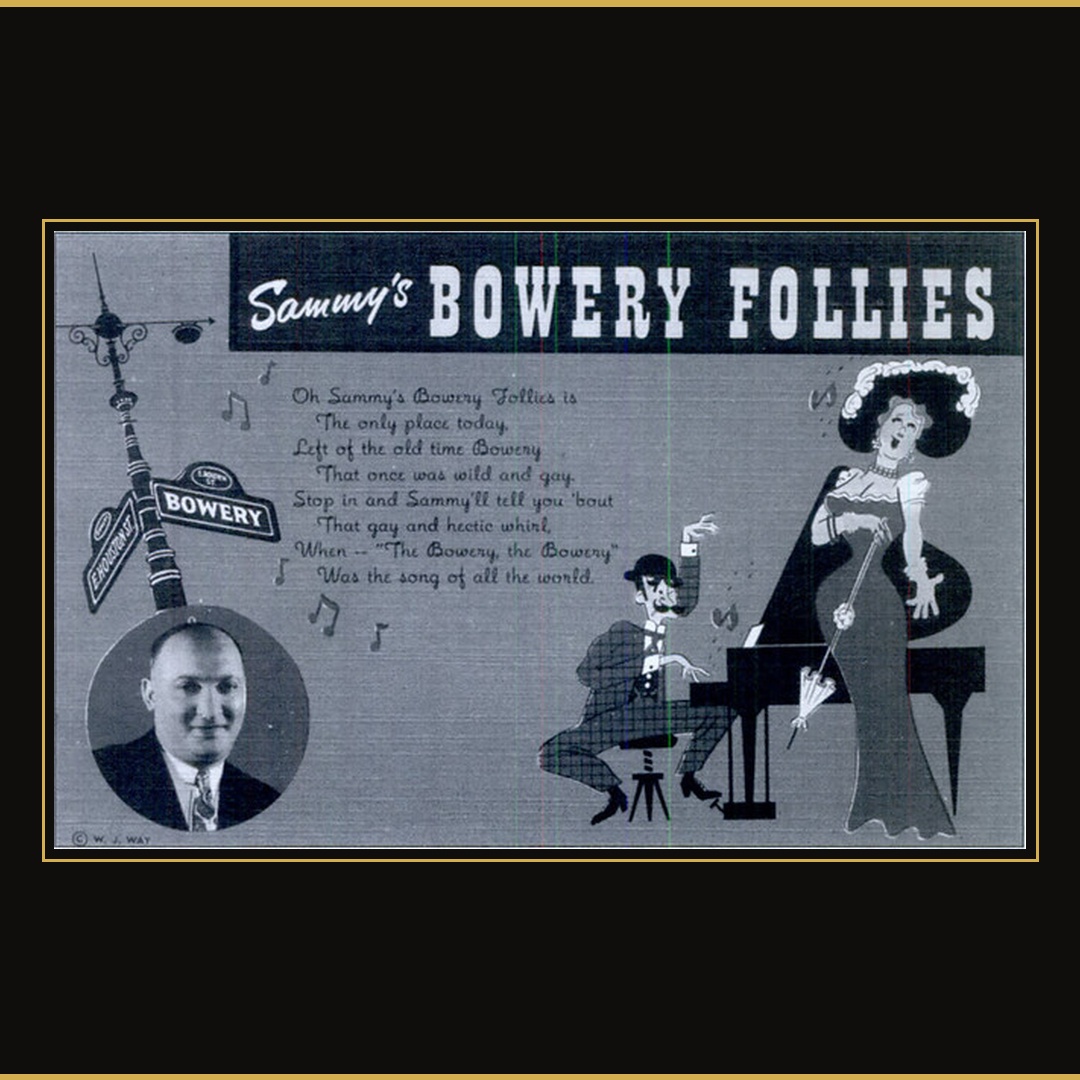
Fuchs did not disappear into the Bowery. He learned it from the inside out. He started as a busboy, moved up to waiter, and eventually became a restaurant manager, absorbing the rhythms and rituals of feeding and serving New York's most unpredictable clientele. By 1934, in the middle of the Great Depression, with unemployment at its peak and the country still reeling, he opened his own saloon at 267 Bowery. He called it Sammy's Bowery Follies. The timing, to most observers, would have seemed impossible. Sammy Fuchs saw it differently.
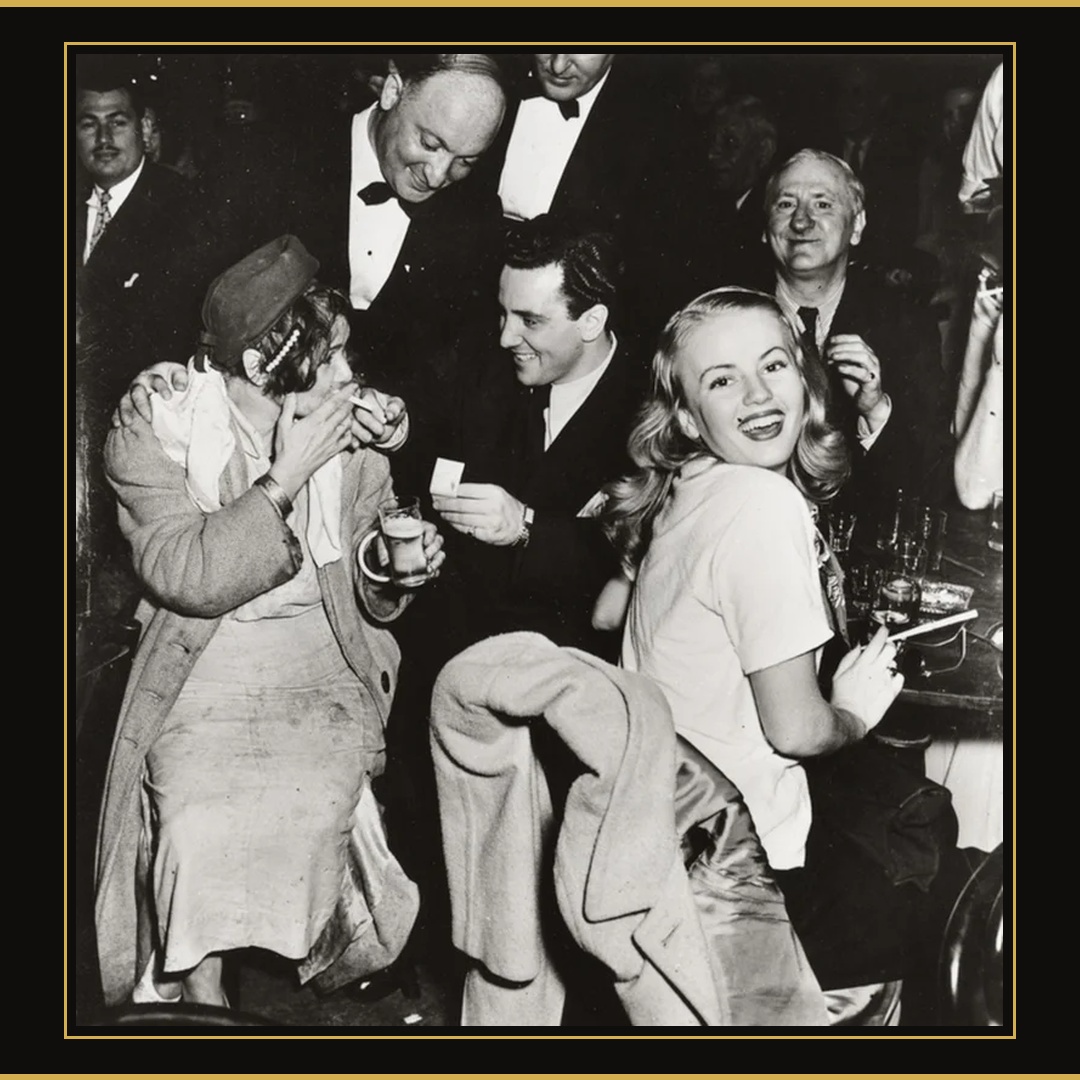
From the beginning, Sammy's was something other than a simple bar. It operated from eight in the morning until four the next morning, twenty hours a day, seven days a week. It drew the full range of New York life through its doors. Derelicts and socialites. Poets and bums. Artists and dockworkers. Life magazine came to visit in December 1944 and described it plainly: "From 8 in the morning until 4 the next morning Sammy's is an alcoholic haven for the derelicts whose presence has made the Bowery a universal symbol of poverty and futility. It is also a popular stopping point for prosperous people from uptown who like to see how the other half staggers." The piece was not unkind. It was honest, which was the same thing Sammy's was.
What made Sammy's different from the other Bowery saloons was the entertainment. Fuchs had grown up on the Bowery in the era of vaudeville and he never forgot it. He hired elderly performers, singers and comedians and dancers who had once played the great vaudeville houses and concert halls of New York and had nowhere left to go. They came to Sammy's and they performed. Night after night, old men and women who had once been applauded by thousands sang into the smoky air of a Bowery saloon for whoever happened to be there. It was sad and it was glorious and it was entirely New York.
The photographer Arthur Fellig, known as Weegee, was one of many photographers who made Sammy's a regular stop. Weegee had built his career photographing the night city, the crime scenes and the fires and the people the newspapers usually looked away from. In his book Naked City, published in 1945 and based on his work in the 1940s, he documented the Bowery and its inhabitants with the same unflinching directness that defined everything he shot. Sammy's was a natural subject. The bar drew photographers the way it drew everyone else, because there was nowhere else in the city quite like it. The faces that sat at Sammy's bar told stories that no caption could improve on.
The walls of Sammy's were covered in photographs and memorabilia, a visual record of the Bowery's past and the city's present. Celebrity visitors came through regularly, drawn by the same curiosity that brought the uptown crowd down to see how the other half lived, and many of them stayed longer than they planned. The bar had a gravitational pull that had nothing to do with the quality of the whiskey and everything to do with the quality of the company.
Eric Ferrara, in his book The Bowery: A History of Grit, Graft and Grandeur, situates Sammy's within the larger history of the street and the neighborhood. The Bowery by the 1930s had shed its vaudeville glory but retained its reputation as the city's most democratic address, the place where the social distinctions that governed the rest of New York did not apply in quite the same way. Sammy Fuchs understood that. He was not trying to clean the Bowery up or make it respectable. He was trying to honor it for what it actually was, which was a place where people who had nowhere else to go could still find a drink and a song and a seat at the bar without being asked to be something they were not.
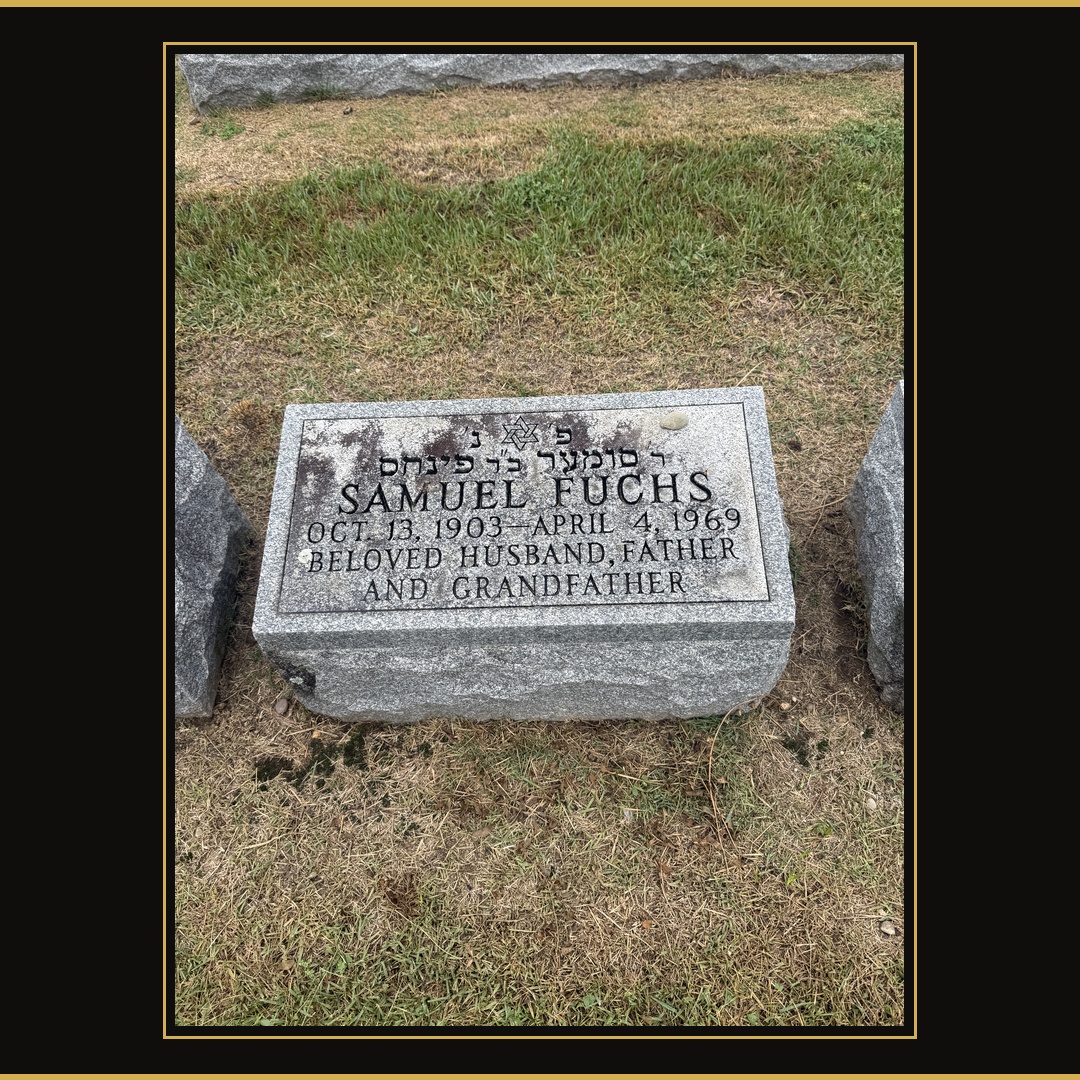
Sammy's Bowery Follies outlasted the vaudeville era it celebrated. It outlasted Prohibition, the Depression, World War II and the postwar boom. It operated until 1970, thirty-six years after it opened, by which time the neighborhood around it had changed beyond recognition. Sammy Fuchs died on April 5, 1969, at the age of eighty-four, just a year before the bar finally closed. He had spent the better part of four decades at 267 Bowery, pouring drinks and watching the city change from behind the same bar, tending to the same mix of derelicts and curiosity seekers and old vaudevillians that had always filled his room.
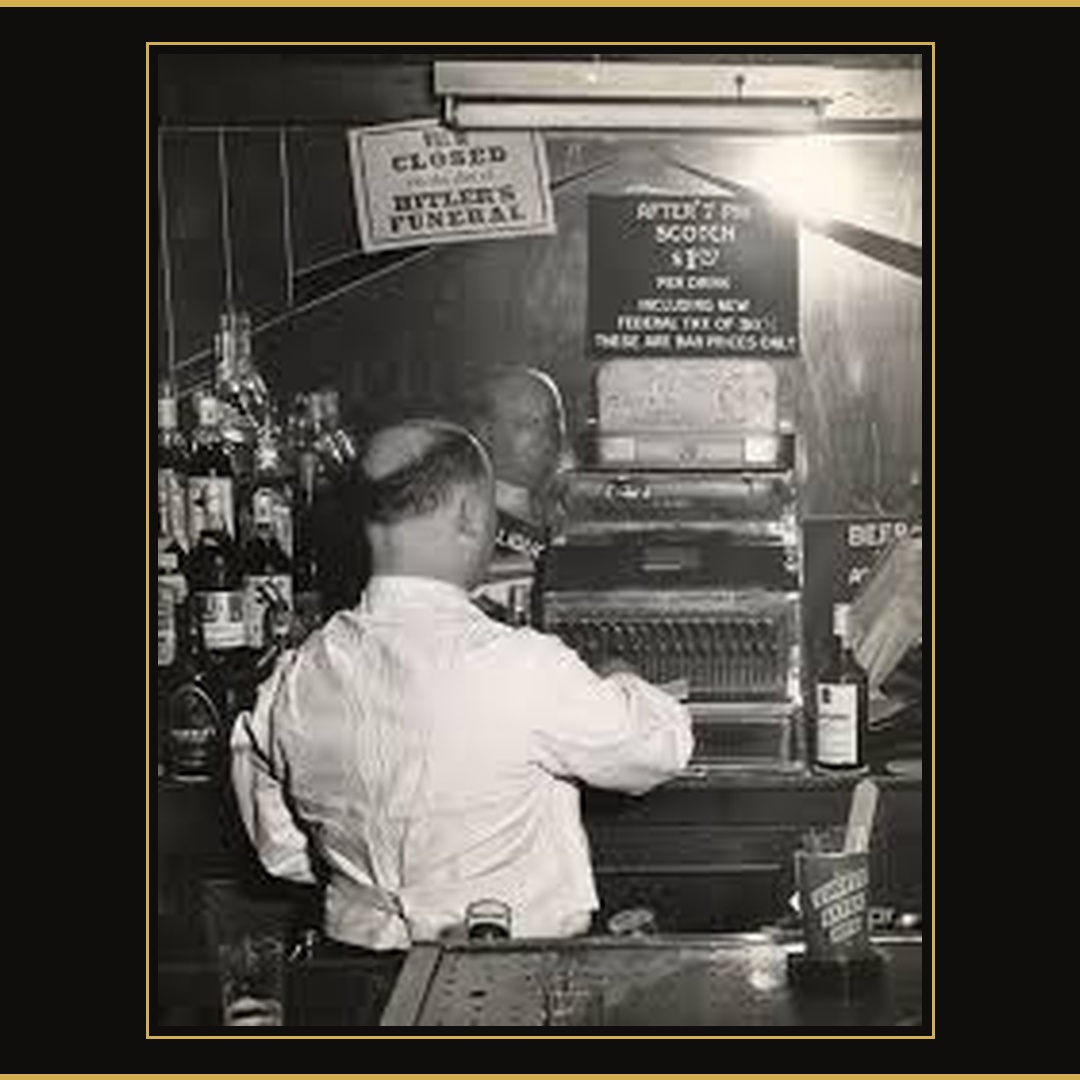
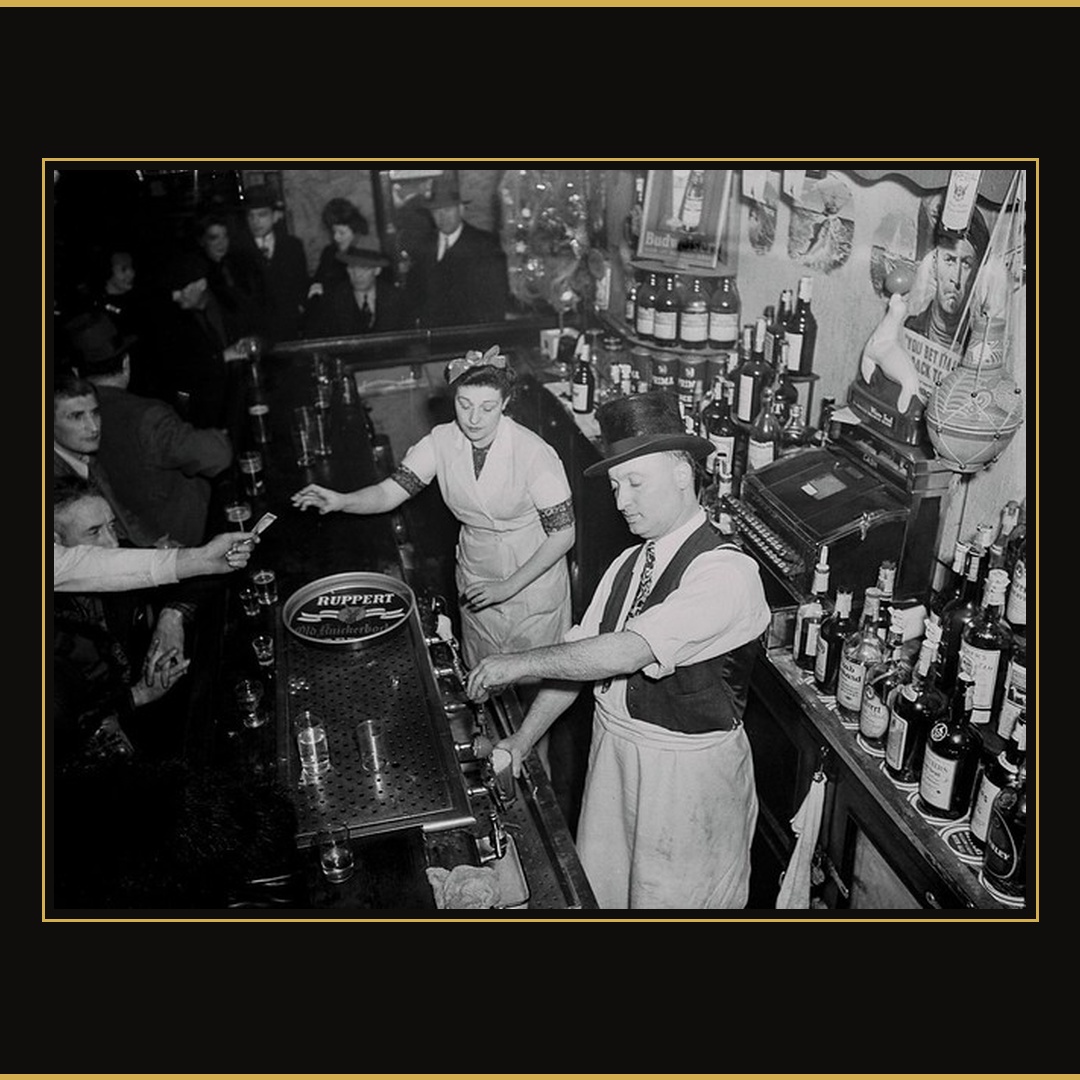
There is a photograph of Sammy Fuchs standing behind his bar pouring a beer that captures something essential about him. He is not looking at the camera with any particular awareness of being photographed. He is just doing what he does, which is taking care of the bar and the people in it. That is the impression he left on everyone who documented him and everyone who remembered him. He was a man who showed up for his neighborhood and his people and his block for thirty-six years without fanfare and without apology.
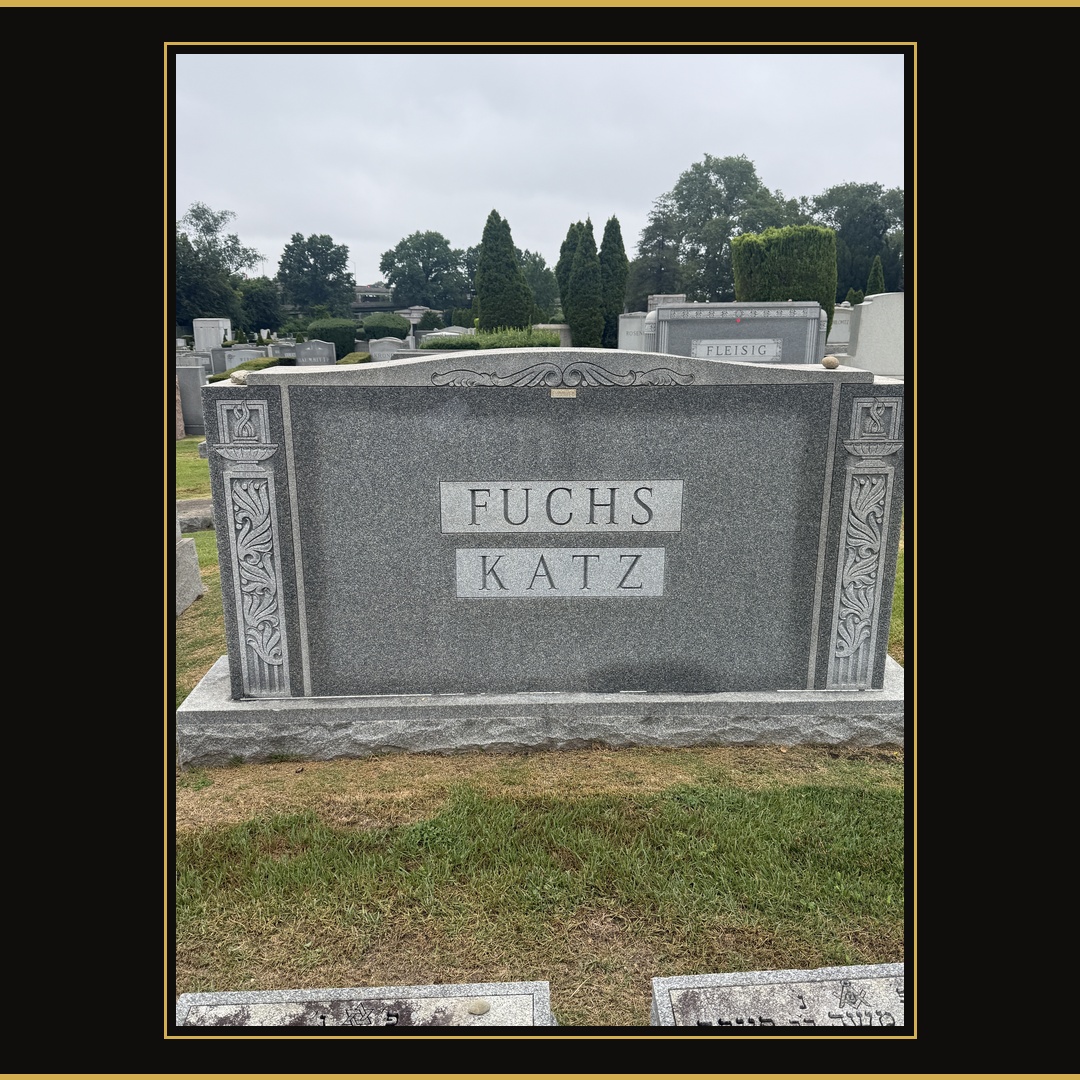
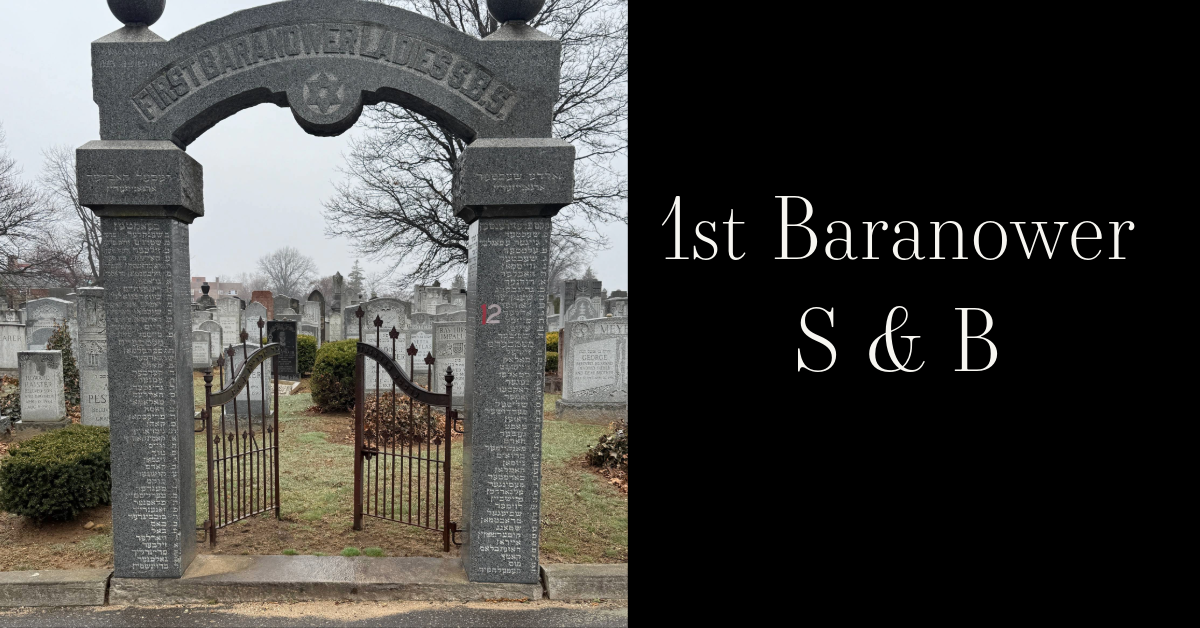
Sammy Fuchs rests at Mount Hebron Cemetery in Flushing, Queens. The Legacy Foundation is honored to tell his story.
May his memory be a blessing.
Blog by Deirdre Mooney Poulos, Director, The Legacy Foundation at Mount Hebron Cemetery
Works Cited
Fellig, Arthur "Weegee." Naked City. Da Capo Press, 2002.
Ferrara, Eric. The Bowery: A History of Grit, Graft and Grandeur. History Press, 2011.
"Flashbak: Sammy's Stork Club of the Bowery New York: An Alcoholic Haven of Prospering Poverty 1934-1970." Flashbak, flashbak.com/sammys-stork-club-of-the-bowery-new-york-an-alcoholic-haven-of-prospering-poverty-1934-1970-366581/
"Historic Beer Birthday: Sammy Fuchs." Brookston Beer Bulletin, brookstonbeerbulletin.com/historic-beer-birthday-sammy-fuchs/
Life magazine. "Sammy's Bowery Follies." 4 Dec. 1944.
"Sammy's Bowery Follies c. 1945." Mashable.
"Sammy's Bowery Follies." The Chiseler, thechiseler.org.
~ Blog by Deirdre Mooney Poulos