The Bon Vivant of Lexington Avenue
Picture the Bronx in the summer of 1945.
The fire hydrants are open. Kids are running through the water in their clothes because nobody cares today, nobody cares about anything except the fact that the war is over and the men are coming home. Women are leaning out of windows. The elevated train is rattling past and nobody minds the noise because everything feels like music right now. The whole city smells like possibility. Somewhere in that neighborhood, in one of those apartment buildings with the black fire escapes and the stoops crowded with people and the candy store on the corner where an egg cream costs a nickel, a boy named Stanley Minch is brand new to the world.
He could not have known, lying in that apartment in the Bronx with the sounds of the city coming through the window, what kind of life was waiting for him. Nobody ever does. But if you had to guess, looking at that neighborhood and that era and that particular tribe of people, you would have guessed a life with some fight in it. A life that would require something from him. You would have been right.
He grew up in New Jersey but he was a Bronx kid at heart, which means he was fast and funny and not easily impressed. He had two sisters and a father he loved and a mother who kept the household running the way mothers of that generation did, which is to say completely and without acknowledgment. The family was not wealthy. They were the kind of people who understood the value of a dollar because they had watched dollars disappear before, in the Depression years, when the bottom fell out of everything and men who had worked their whole lives found themselves with nothing. That lesson does not leave a family easily. It gets passed down at the dinner table without anyone ever saying it out loud.
When it was time for college, Stanley went to Temple University in Philadelphia. This was the early 1960’s and the country was in the middle of something enormous. You could feel it on every campus, this sense that the old rules were being rewritten and nobody was quite sure what the new ones would be. There were sit-ins at lunch counters in the South. There were Freedom Riders on buses. There was a young president in the White House who made Americans feel, briefly and beautifully, that their country could be as good as its best intentions. Philadelphia itself was alive with all of it, a city that had been arguing with itself about race and justice and class since before the Revolution, still arguing, still unresolved, still vital.
And then his father died.
There is no way to make that sentence less than what it is. His father died while Stanley was at college, still in the middle of becoming himself, still needing the person who was supposed to show him how to be a man in the world. His mother remarried not long after, and the shape of the family shifted in ways that left Stanley, at the age when most young men are still leaning on their families, largely on his own. He finished school. He pointed himself toward New York. He went.
He found an apartment on Lexington Avenue and he went to work on Wall Street at a time when Wall Street was the most exciting address in the world. This was the late 1960’s and the market was roaring and the city was electric and if you were young and smart and willing to outwork everyone in the room, the doors would open for you. Stanley was all of those things. He had a gift for finance that was partly mathematical and partly something harder to name, an instinct for people, an ability to sit across a desk from someone and understand not just what they wanted but what they were afraid of, and to make them feel that their money and their future were safe with him. Clients trusted him. They stayed with him for decades.
But he was not only a man in a suit behind a desk. Not even close.
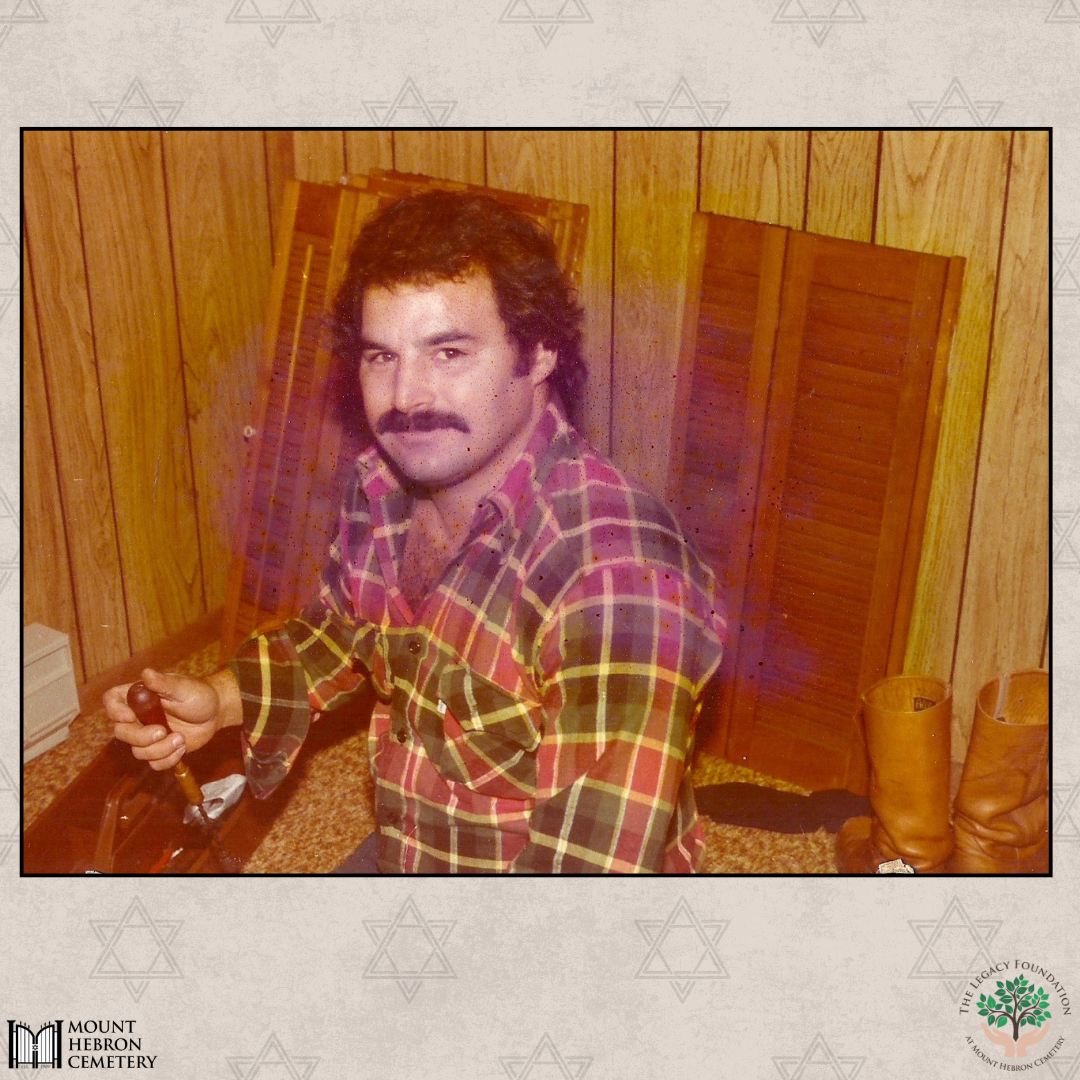
After work, the city was waiting. New York in the 1970’s was broke and dirty and absolutely magnificent, a place where art and music and ambition were pouring out of every building, where you could walk into any bar or party and end up in a conversation that changed the way you thought about something. Stanley had a circle of friends, single men like himself, and they moved through the city together the way young men do when they have no obligations except to show up and be alive. There were parties. There were singles events, which in those years were a real and earnest institution, crowded rooms full of people in good clothes trying to find each other, some of them succeeding. There was laughter. There was a great deal of laughter.
And every summer, there was Fire Island.
If you have never been to Fire Island you should understand that it is not quite like anywhere else. You take a ferry from Bay Shore out across the Great South Bay and when you step off the boat there are no cars, no roads, just wooden walkways through the dunes and the smell of the ocean coming at you from both sides at once. The sky is enormous. The light in the late afternoon turns everything gold. In the 1970’s it was full of New Yorkers who had been waiting all winter for exactly this, the chance to put the city down for a weekend and remember what their bodies felt like in the sun and the salt air. Stanley kept a boat there. He would take it out on the bay in the early morning when the water was flat and silver and the day had not yet decided what it wanted to be. He was a man who understood pleasure, understood it not as a reward for work but as the point of the whole enterprise. You worked so that you could live. You lived fully. That was the deal.
He was 37 years old, which is not young but is not old either, it is the age when a person has earned their confidence, when he met Deborah.
She had just started at the firm. She was nine years younger and she was engaged to someone else and she sat in his office helping him while she studied for her brokerage exam. Six months they worked side by side, close enough to know each other well, and what she found was a man who was brilliant and funny and generous with what he knew, who wanted her to succeed, who treated her like a colleague and an equal at a time when that was not always how women were treated on Wall Street. She passed her exam. She stayed at the firm. She married someone else and had a child and the marriage eventually ended, and through all of it Stanley was there, not as a romantic prospect but as the truest kind of friend, the kind who shows up on a Tuesday when nothing is happening and you just need someone in your corner.
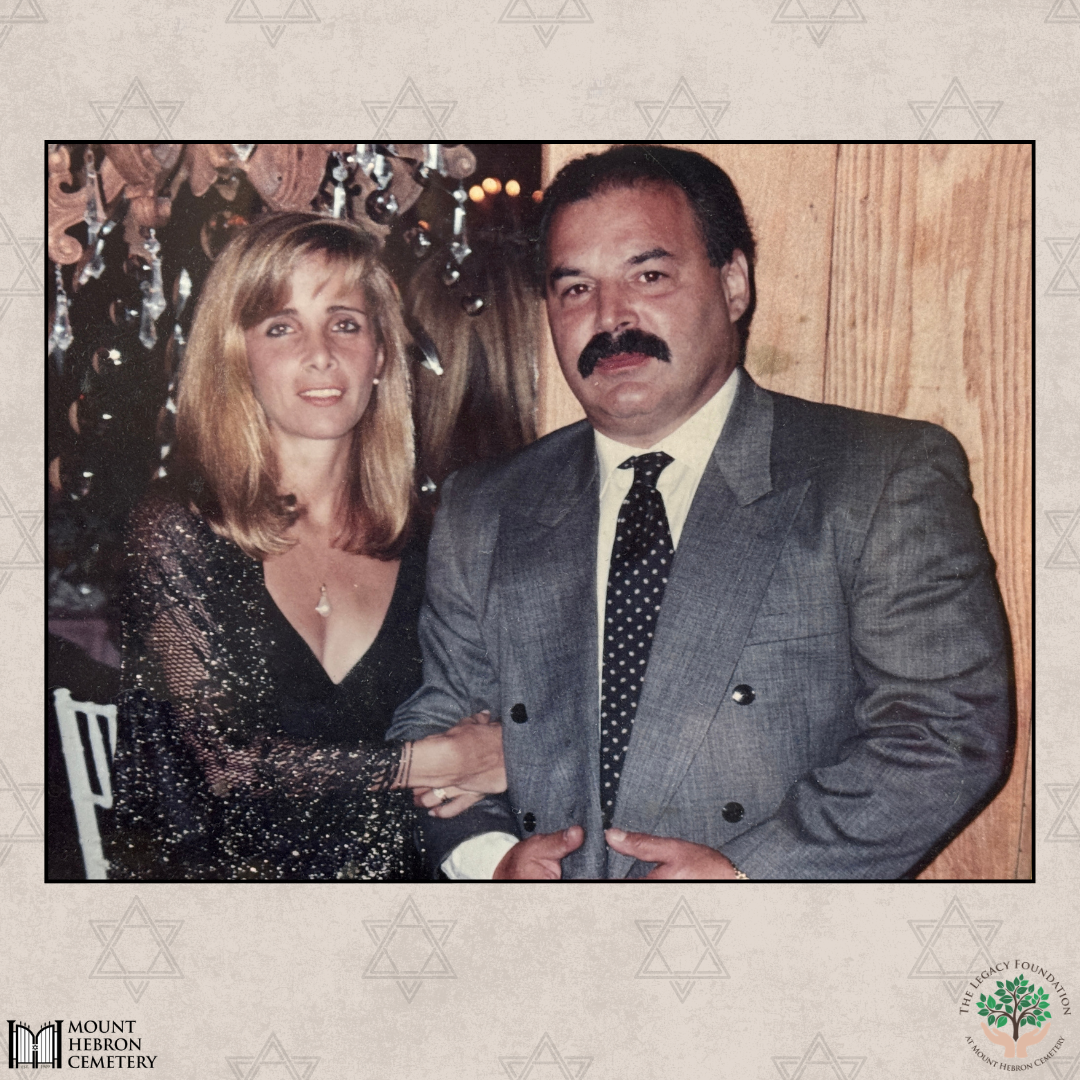
He took her to singles parties. He kept her laughing. He was her person in the way that the best people become your person, not through grand gestures but through showing up, again and again, until showing up is simply who they are. And then one day, ten years after they had first sat across from each other in that office, they looked at each other and the thing that had always been there quietly between them was no longer quiet at all.
They married in 1991. He moved into her apartment in Queens.
Within a year, she was pregnant with twins.
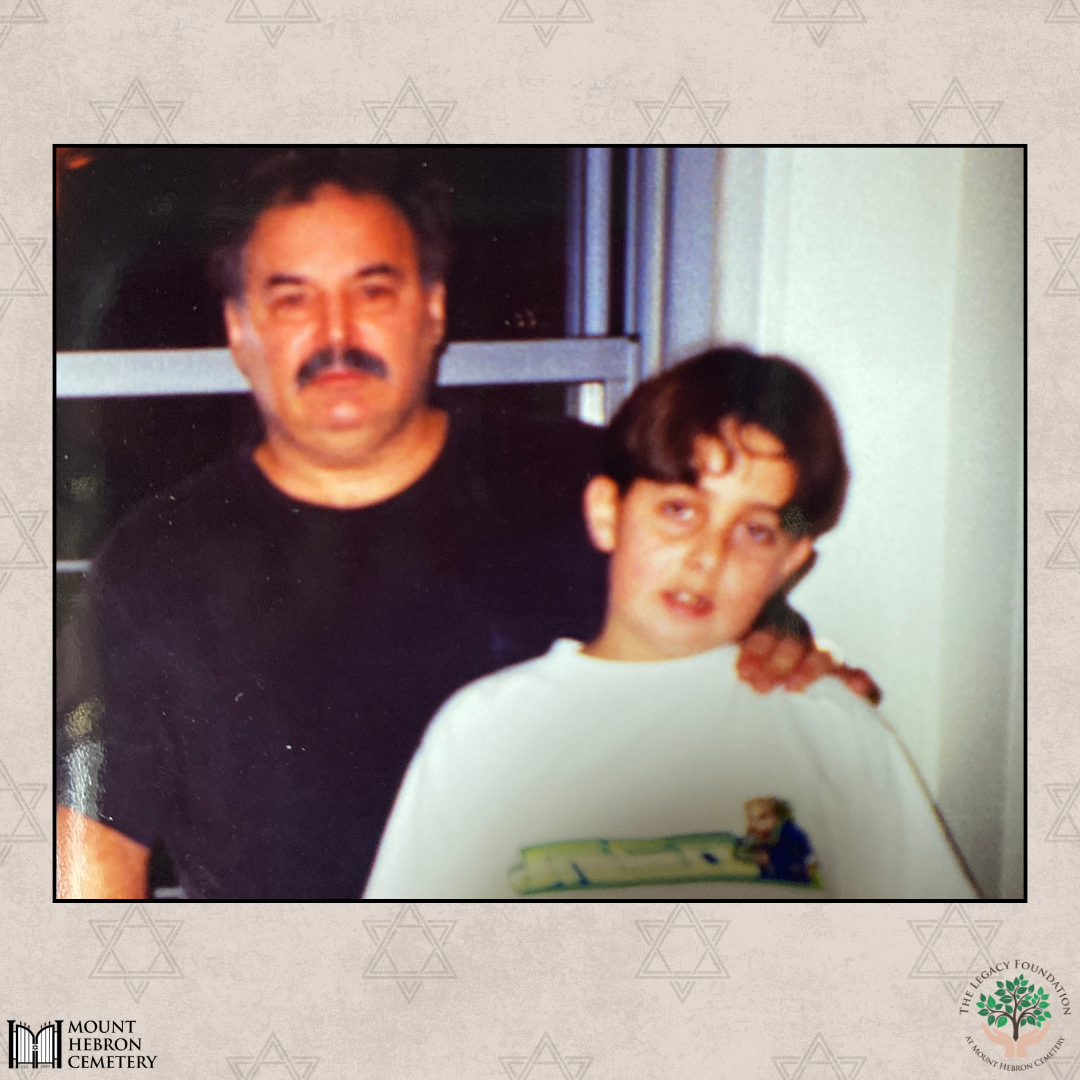
He had been a bachelor for a long time. He had lived alone on Lexington Avenue, spent his summers on Fire Island, organized his life around his own rhythms and his own pleasures. And now, almost overnight, he was the father of three children. A son who was already there. Two baby daughters who arrived together and filled every room of the apartment with noise and need and that exhausting joy that only parents of very young children know. Some men would have buckled under the weight of it. Stanley seemed to expand to meet it. He was present. He was patient. He was funny with his kids in the way that made them feel like the world was a safe and interesting place, that whatever happened there was this person who loved them and found them delightful and was not going anywhere.
He sold the boat.
That detail matters. The boat was everything he had built for himself in those bachelor years, all those summers on the bay with the light turning gold and nowhere he had to be. He sold it without apparent regret because his life had become something larger than himself and he knew it and was glad. They bought a house in the Hamptons instead and the summers moved out there, the whole family together, the twins growing up with sand between their toes and the smell of the ocean and a father who grilled in the backyard and made everyone laugh at dinner and was, by all accounts, exactly where he wanted to be.
This was the 1990’s and Wall Street was in the middle of one of the great bull markets in its history. The Dow Jones climbed and climbed, past 5,000, past 7,000, past 10,000, numbers that would have seemed impossible to the men of Stanley's father's generation. Stanley had been in the business long enough to have client relationships that went back decades, people who had trusted him with their savings and their retirements and their children's futures and had not been wrong to do so. He was at the top of his game. The family was thriving. The house in the Hamptons was full on weekends. Life was, as the French say, good.
He was 56 when the stroke came.
One moment and then another moment and everything in between changed. He woke up in a different life, though it took some time for the full shape of that difference to become clear. He tried to go back to work and he did go back, but the clients drifted away the way clients do when they sense that something has shifted, and the business that had taken him three decades to build contracted faster than anyone would have wished. The dot-com bubble had already burst. September 11th had shaken the financial district to its foundation. The world was not being kind to stockbrokers in the early 2000’s even under the best circumstances, and these were not the best circumstances. Deborah left the firm where they had met and found administrative work, and she held that job for twenty-one years, quietly and without complaint, because that is what you do when you love someone.
The years that followed were hard in the way that illness is always hard, not in one dramatic moment but in the slow accumulation of losses. Vascular disease. Diabetes. Amputations, one after another, a body waging a slow war against itself. The man who had kept a boat at Fire Island and danced at parties in Manhattan and driven out to the Hamptons on summer Fridays now moved through the world more carefully, with more effort, in a body that no longer cooperated the way it once had.
And yet. Everyone who knew him in those years says it the same way. His spirits were good. He was funny. He was still Stanley.
There is a kind of person who, when life takes things from them, takes stock of what remains and decides that it is enough. Stanley was that kind of person. He had his wife. He had his children. He had the pleasure of watching his daughters grow into women, watching his son build his life. He had his mind, which stayed sharp and curious. He had his sense of humor, which never left him. He held onto those things and he did not let go.
He died in 2021. He was 75 years old. His twin daughters were 29 and one of them was already married and carrying a child he would never hold. His son was 36. The grandchildren came after, two of them, into a world where their grandfather was already a story, someone who lived in the way their mother smiled and the way their uncle talked about summers in the Hamptons and the way their grandmother carries him with her every single day.
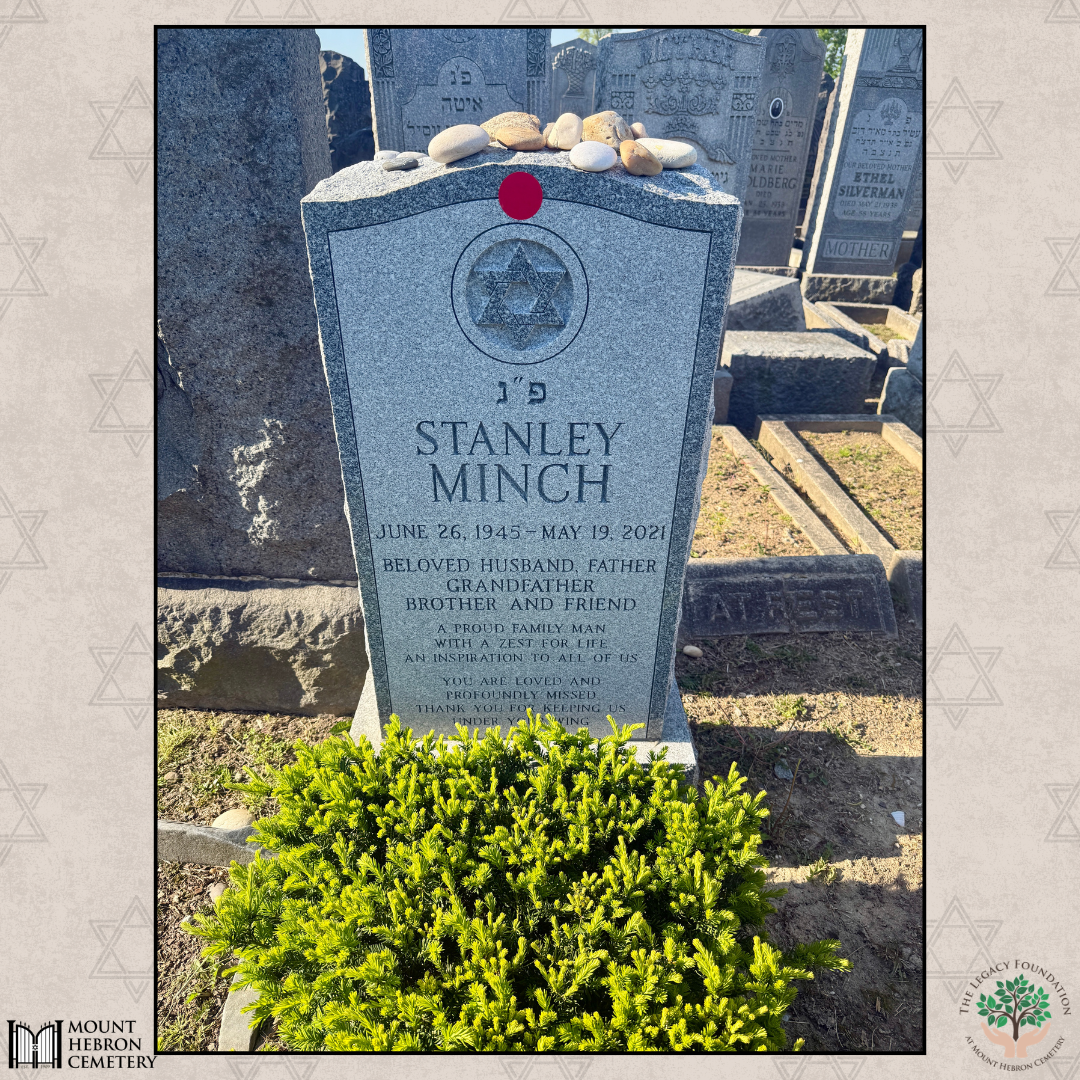
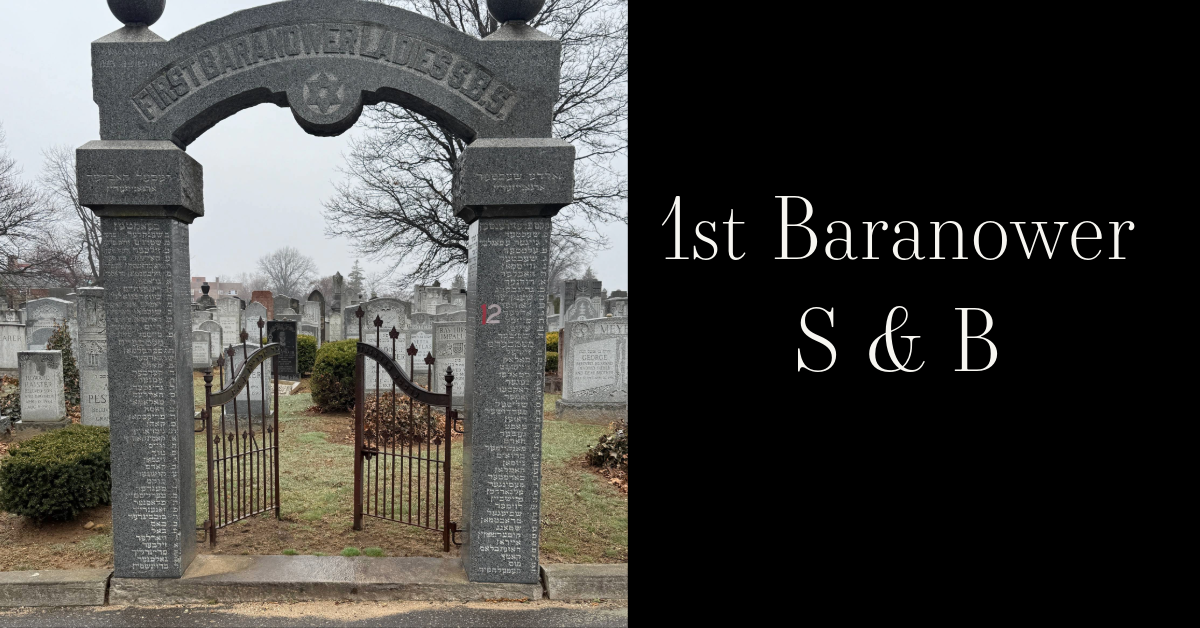
Deborah visits him at Mount Hebron Cemetery in Queens. She says simply, the way people say the truest things, that one day she will be at his side again. Her children talk about everything he has missed, another wedding, the grandchildren, the days that keep coming. They talk about him so often that he is not really absent at all.
He spent 75 years living fully and with great appetite and with a love that came back to him from every direction.
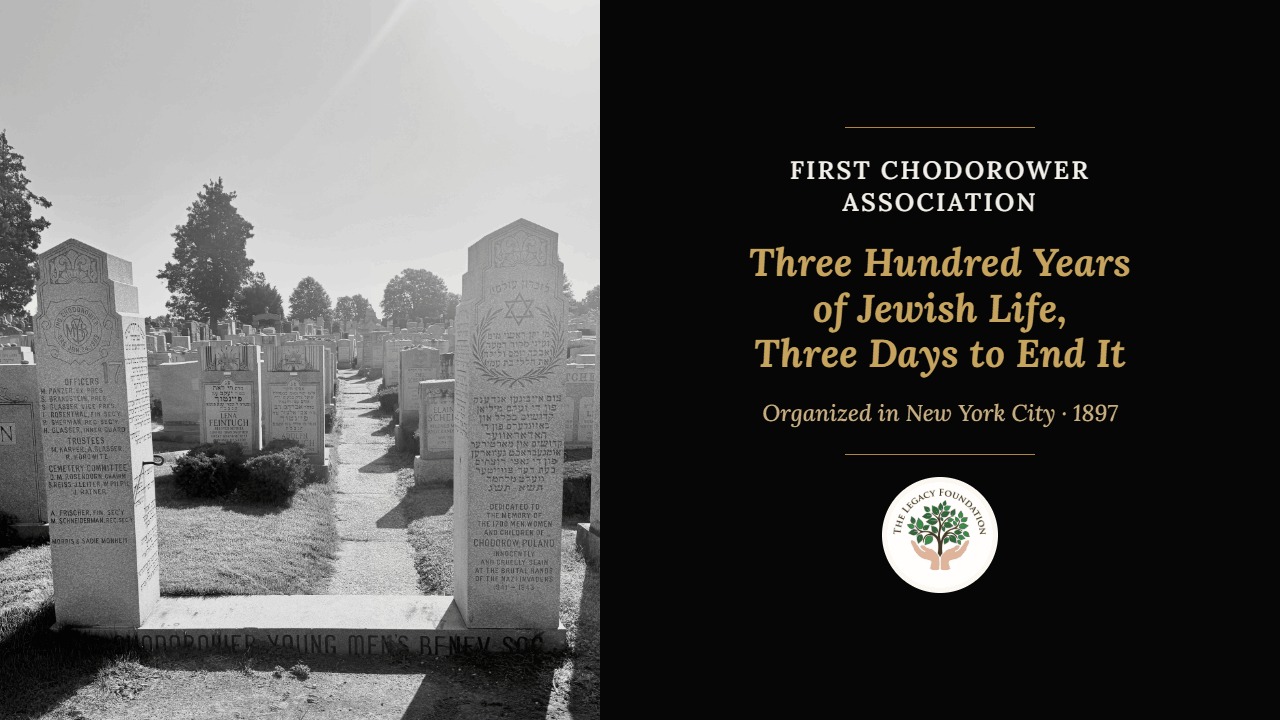
Stanley Minch rests at Mount Hebron Cemetery in Flushing, Queens, among the remarkable men and women whose stories we are honored to preserve.
~Blog by Deirdre Mooney Poulos & Deborah Minch