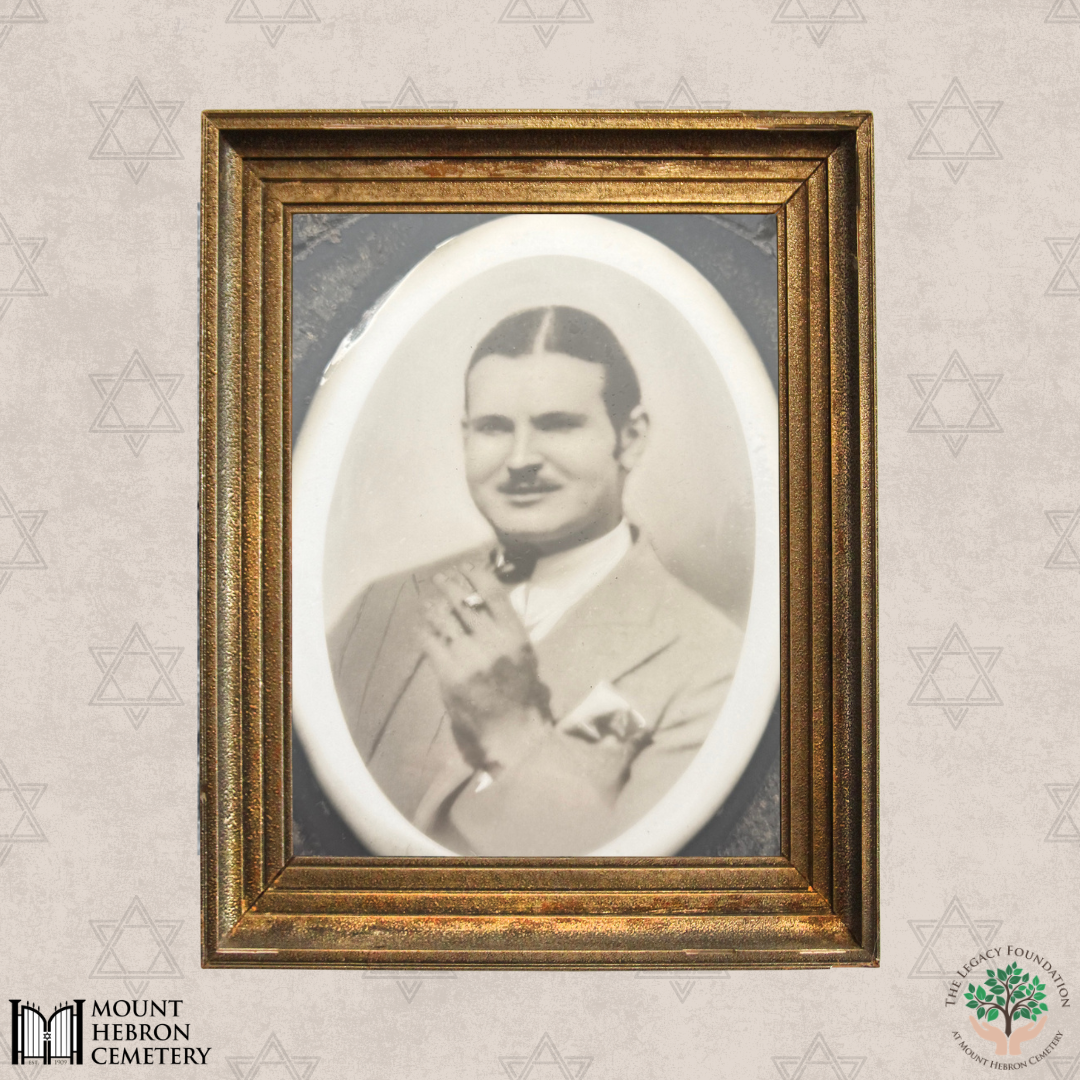
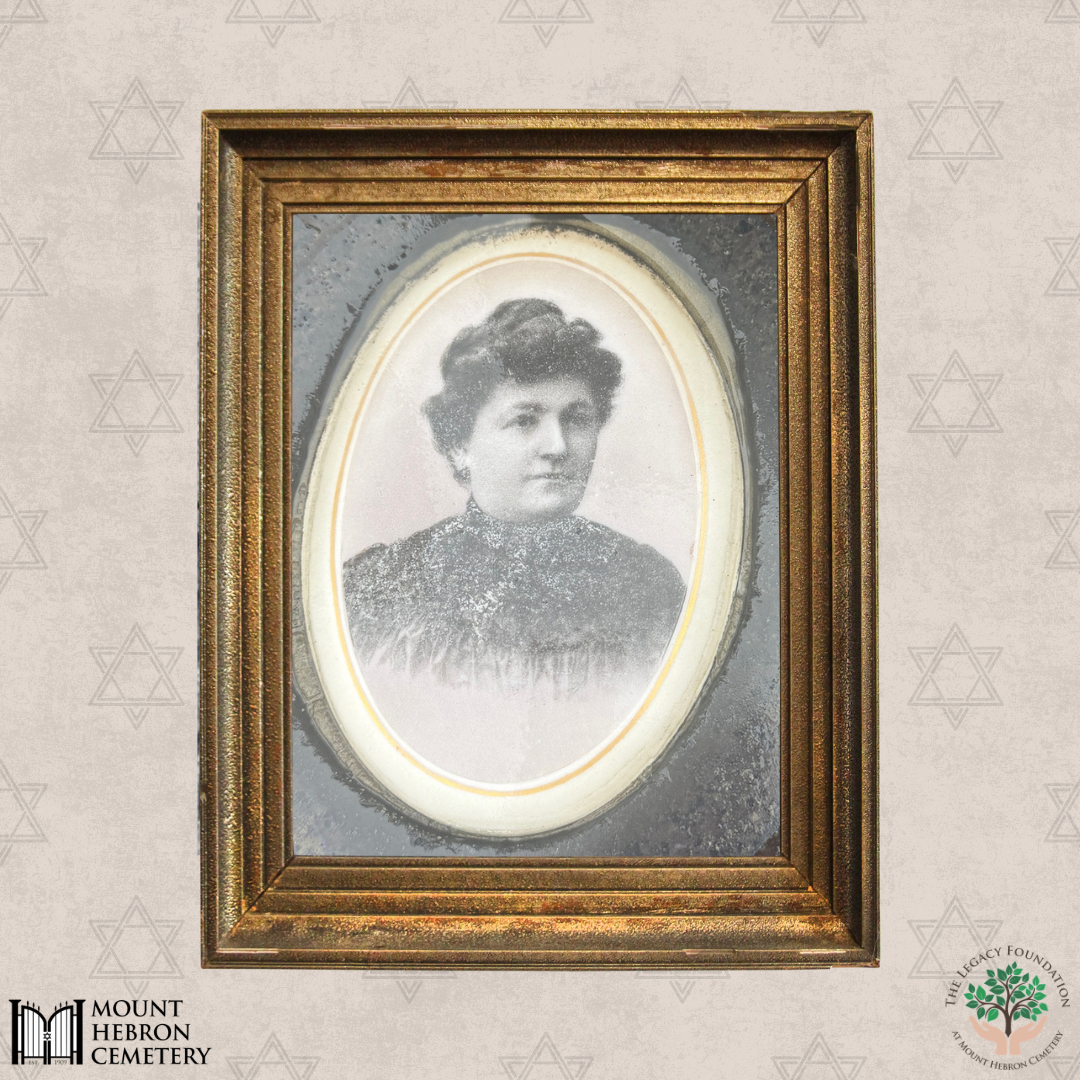
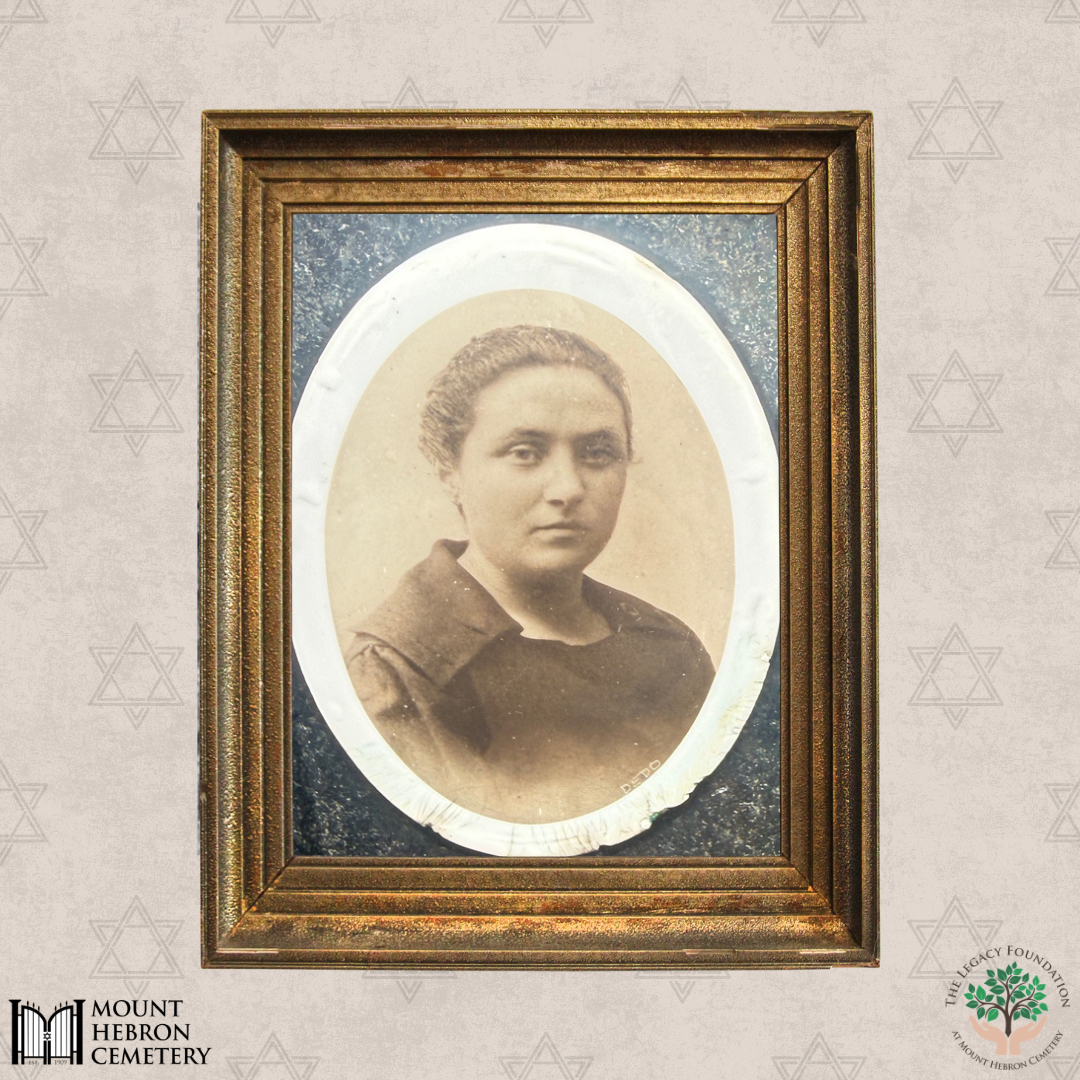
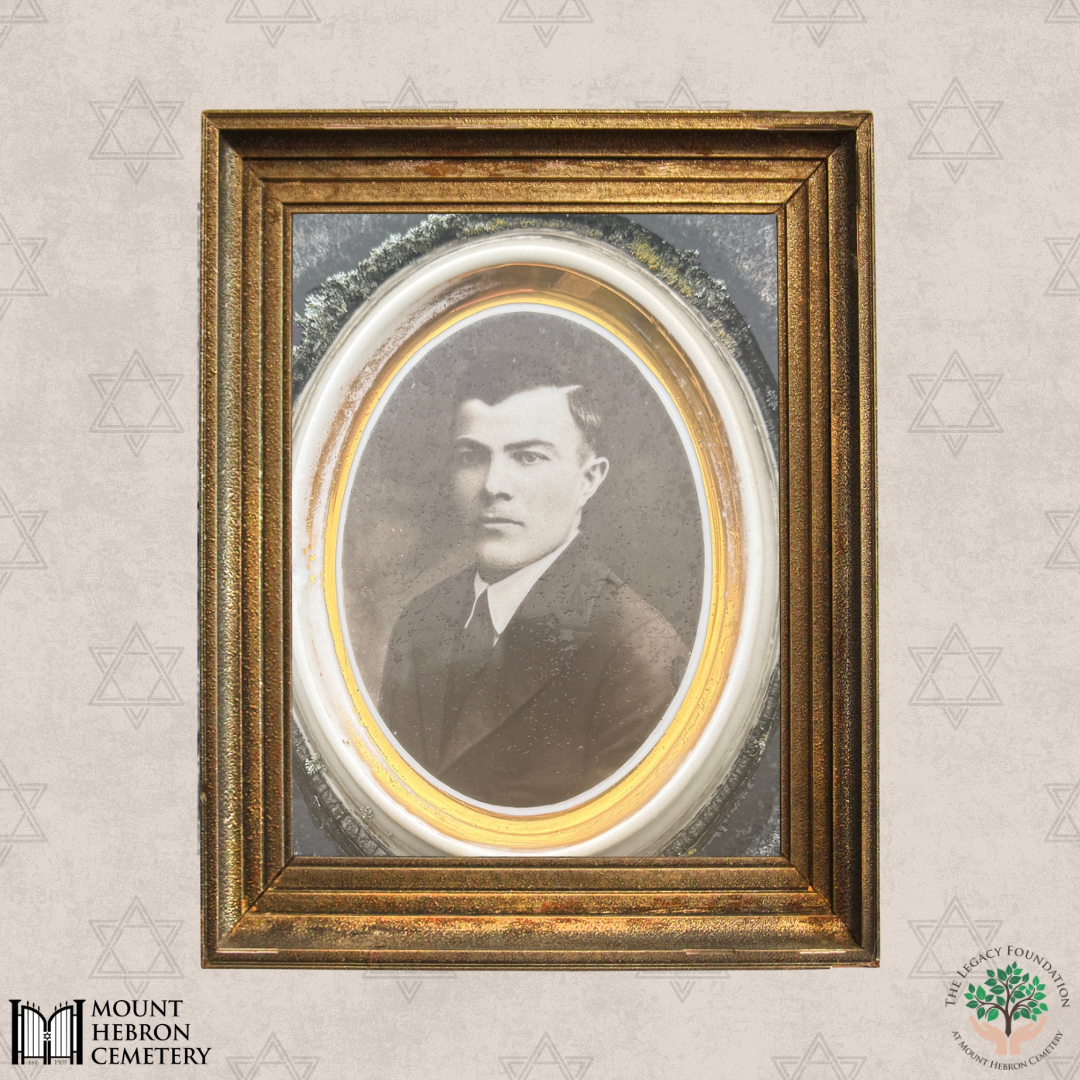
Story Summary:
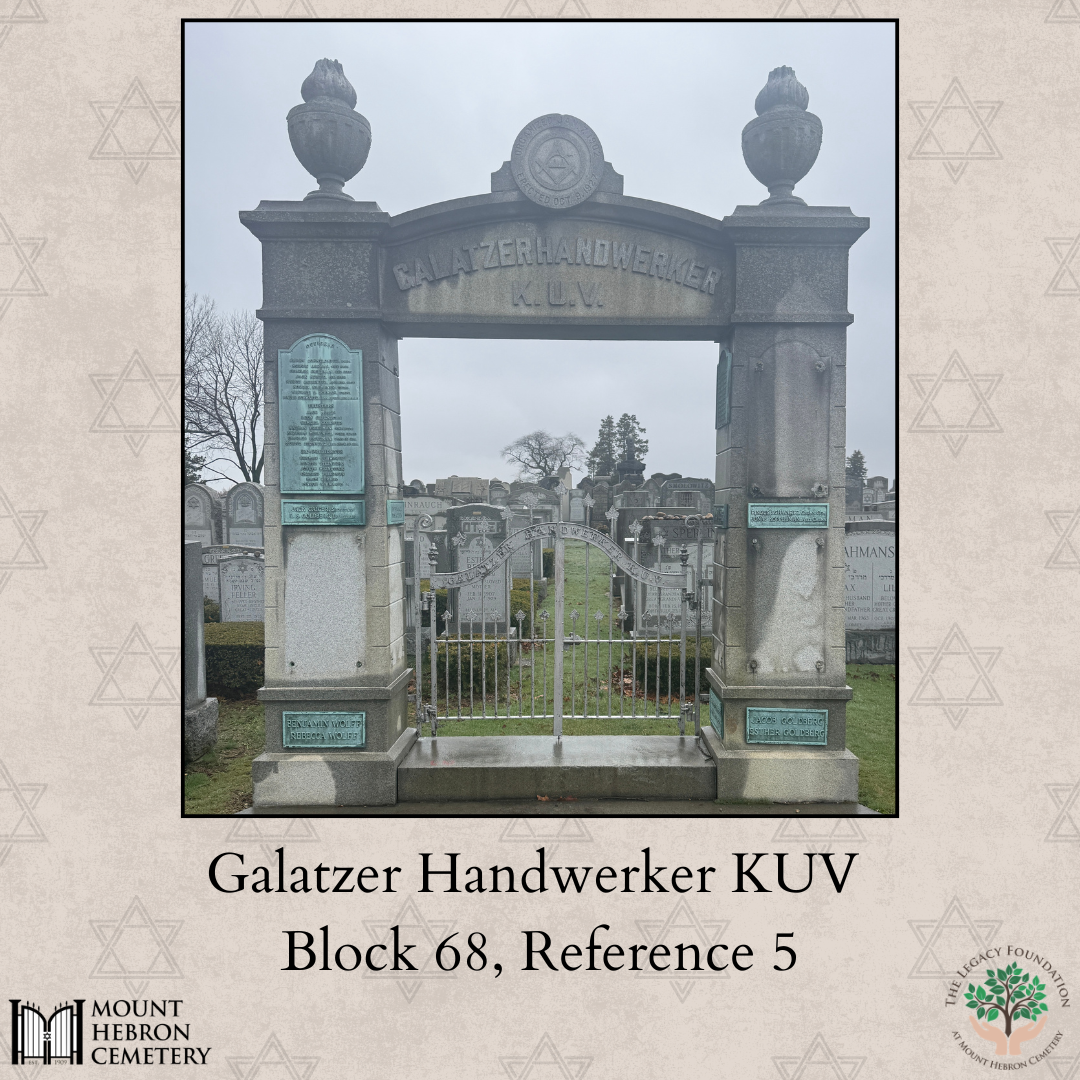
The Galatzer Handwerker KUV Society was established in New York by immigrants hailing from Galati, Romania. Initial Jewish presence in Galati dates to the 16th century. The Jews of Galati left a significant religious and cultural impact on Galati, having established multiple synagogues, educational instutions, guilds, Zionist organizations, and periodicals. Prior to the outbreak of the war, there were just under 20,000 Jew in Galati. Following Romania's joining of the Axis Power in 1940, Galati's and broadly, Romania's Jews would be conscripted to systematic forced labor and harsh conditions of living until its liberation by the Red Army in 1944. Their memories live on.
Galatzer Handwerker KUV
The Galatzer Handwerker KUV Society was established in New York by immigrants hailing from Galati, Romania. Initial Jewish presence in Galati dates to the 16th century. The Jews of Galati lived in a quarter named “The City Valley” until 1770. They then moved and developed a new quarter. The first synagogue was built in 1780, along with a bathhouse. From the 1820s on, a number of guilds were formed, which in turn credits Galati for influx of communal synagogues (Craftsmens, Carters, Chabad Hassids, tailors, etc.).
Galati was the first city where youth Zionist associations were formed. In 1926, the Zionist Revisionist Organization of Romania was founded. Prior to the outbreak of World War II, Galati had 22 operating synagogues, one cheder, a “Talmud Torah,” two elementary schools, a secondary school, a kindergarten, a trade school, a local branch of “WIZO”, a hospital, a pharmacy and an orphanage. Galati was also an important center for publishing, one of the most prominent being the “Hatikva” periodical of the Zionist Federation. The community also established the “Cultur Lige” (the Jewish Culture League), and the “Gibor” (the Hero) which was a sports organization. Lastly, two banks, the Cooperative Credit Bank and the “Banca Noastre” were founded.
In June 1940, the Jews of Galati were victims of growing pogroms across Romania. June 22, 1941 marked the German invasion of the Soviet Union, marking a turning point in World War II. Jewish men between the ages of 18 and 60 were rounded up and conscripted to forced labor. They were then sent to a holding camp in Filesti, and would then be deported to makeshift subcamps across the city, often taking place in synagogues and private Jewish homes. By September 21, 1941, there were a total of 3700 spanning across the subcamps, resulting in severe overcrowding and limited supplies. The camp was closed in December of 1941, however the Jews were quickly reassigned to continued forced labor within the interior and exterior brigades. This continued until liberation in August 1944.
https://kehilalinks.jewishgen.org/galati/galatz_history.htm
https://www.jewishvirtuallibrary.org/galati
https://jguideeurope.org/en/region/romania/moldavia/galati/
https://jewish-heritage-europe.eu/have-your-say/galati-rediscover/
https://muse.jhu.edu/document/4094
https://www.jewishgen.org/yizkor/pinkas_romania/rom1_00090.html
https://archives.cjh.org/subjects/100123
~Blog by Olivia Scanlon