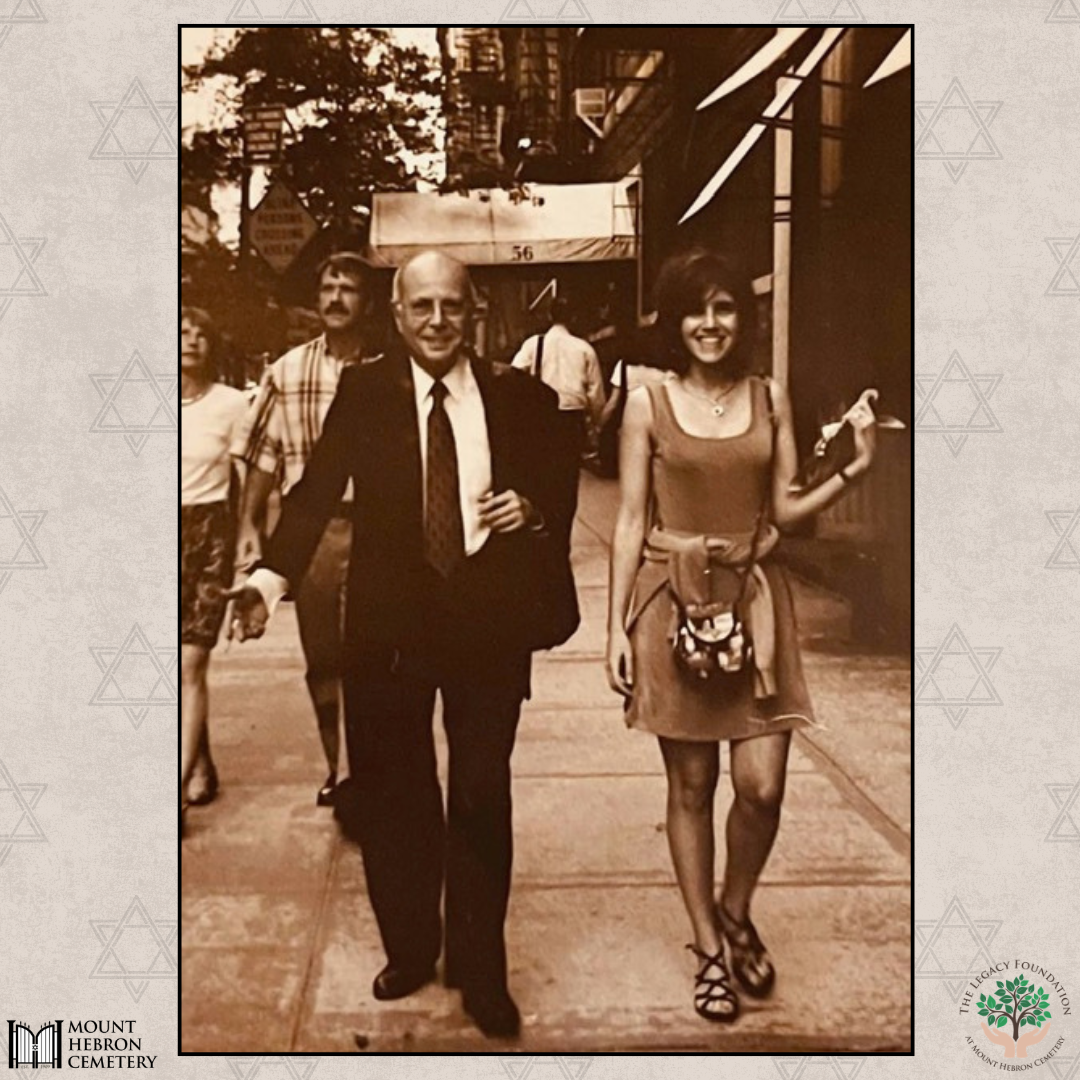
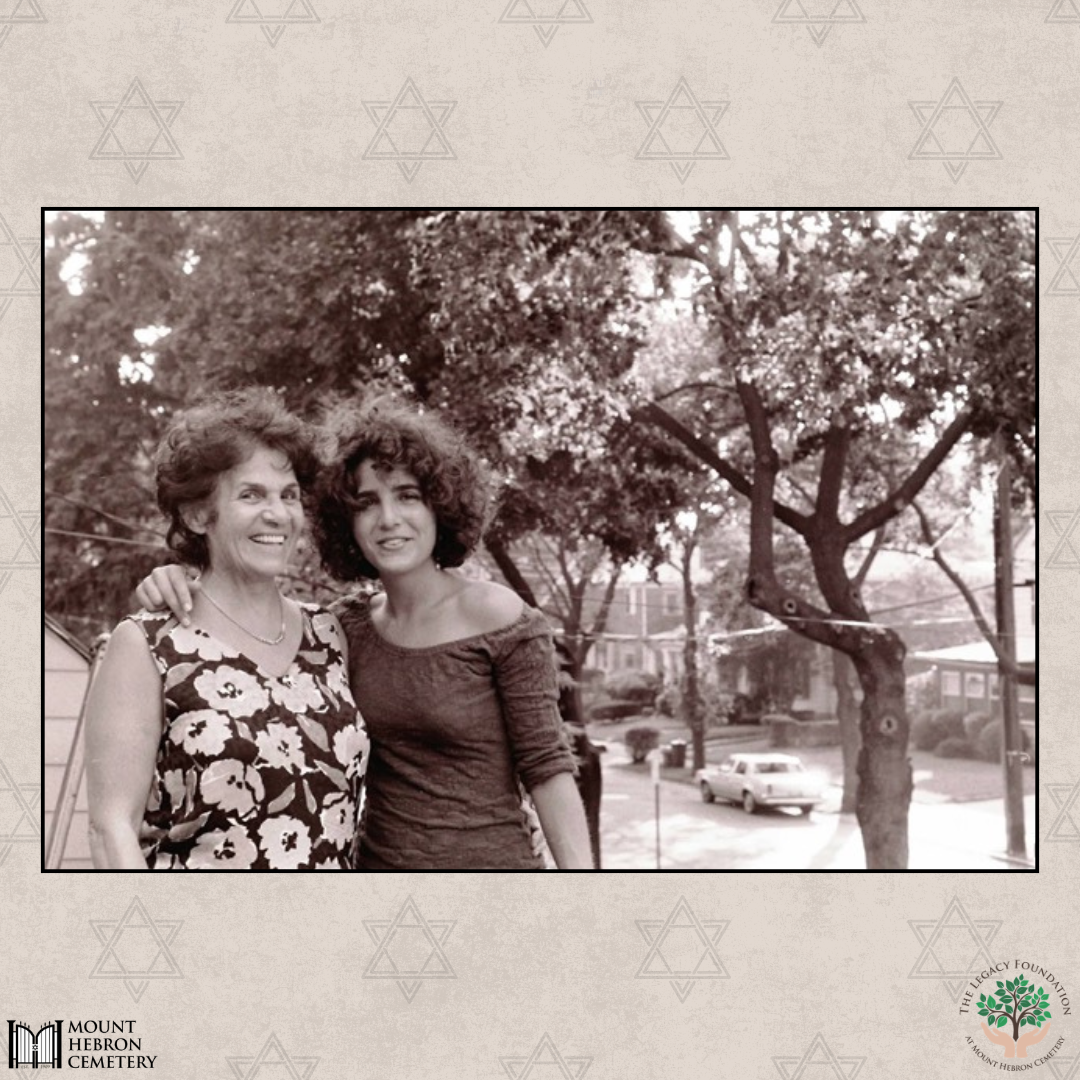
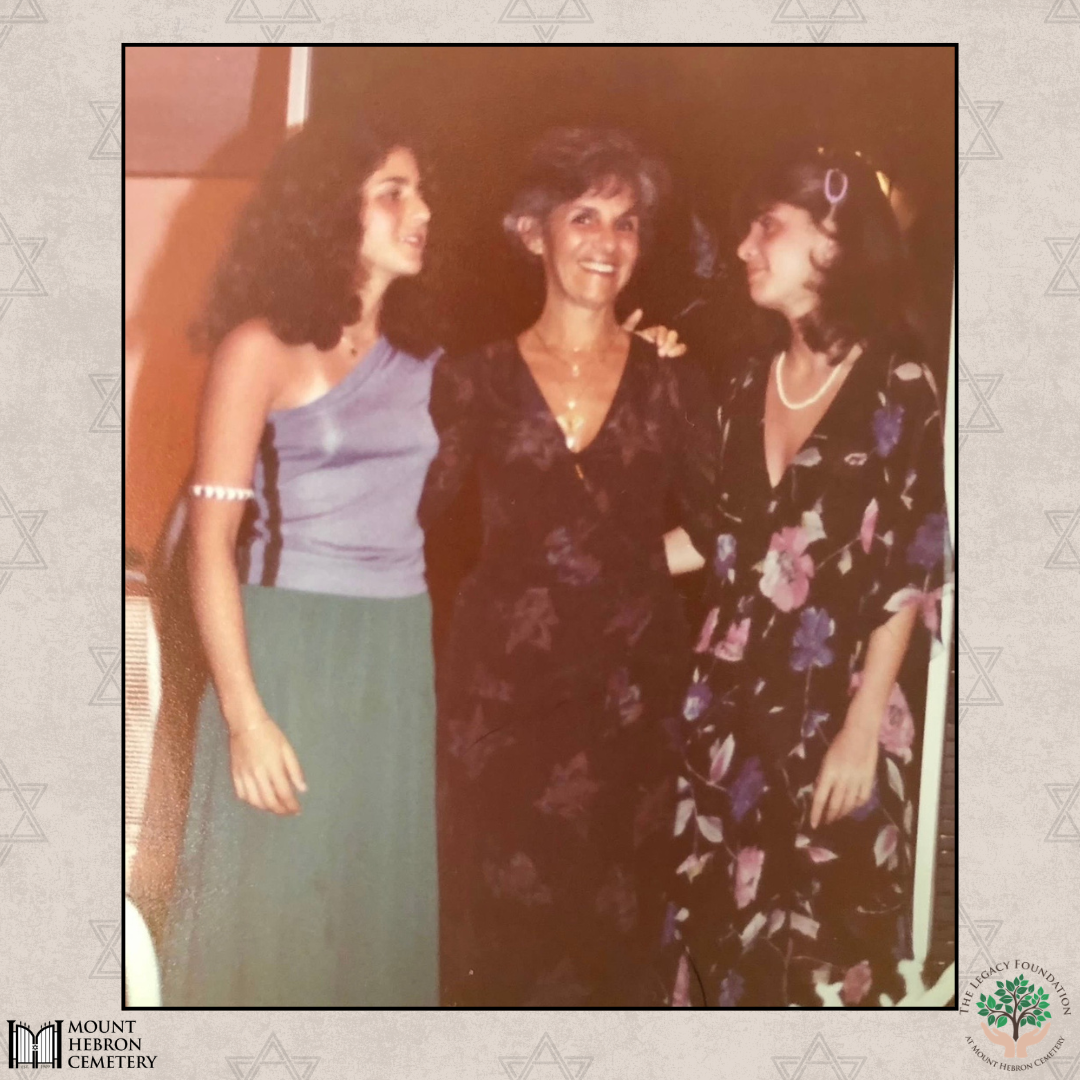
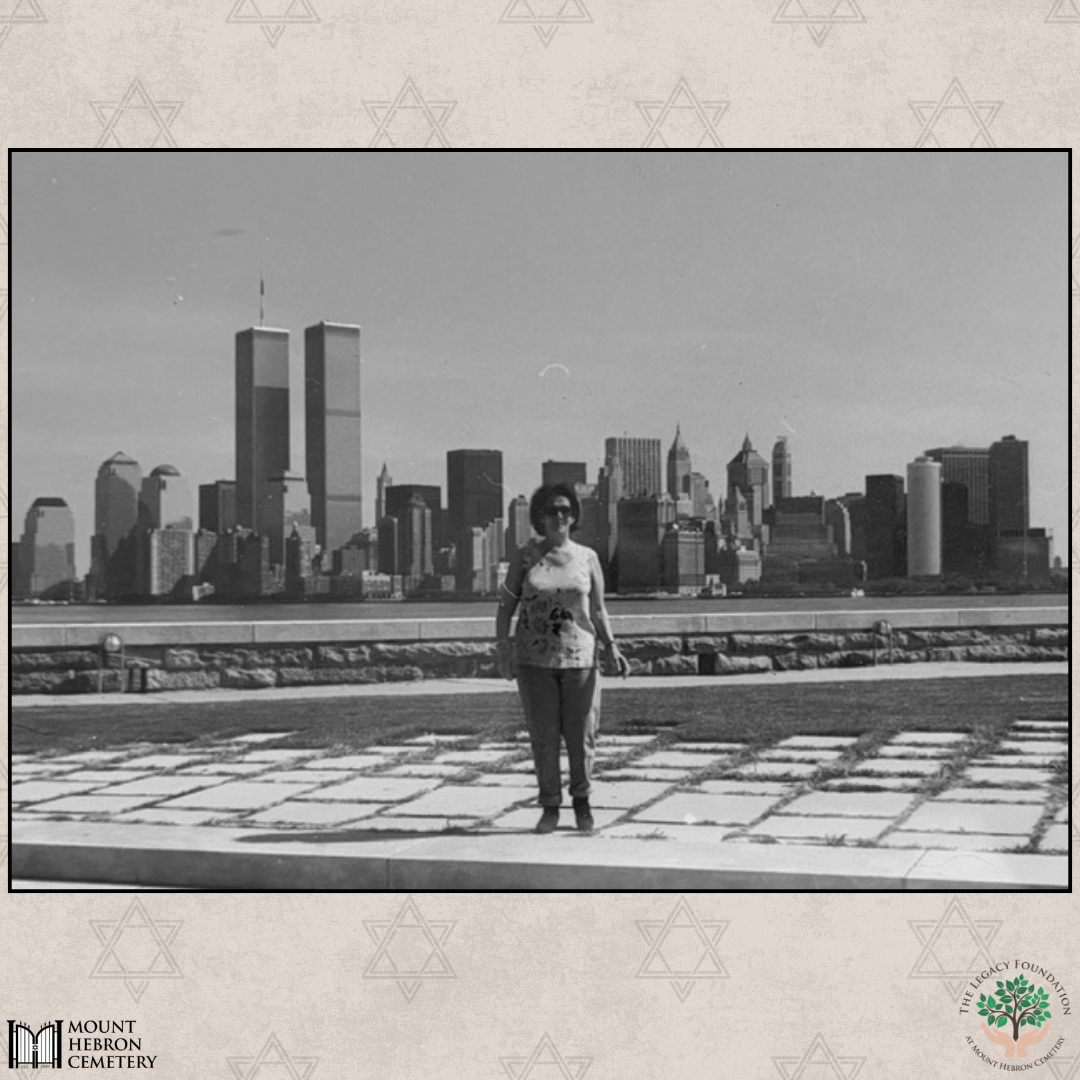
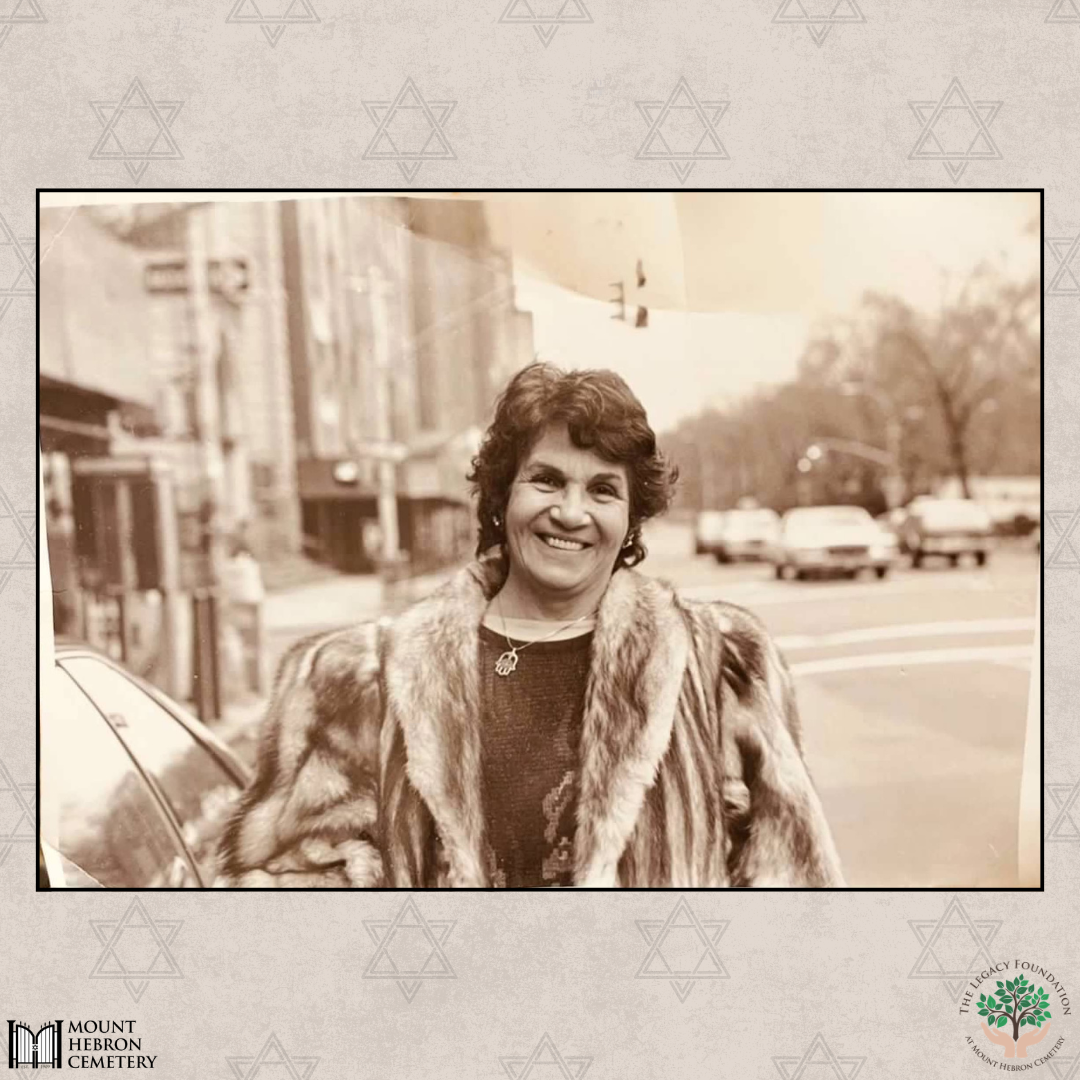
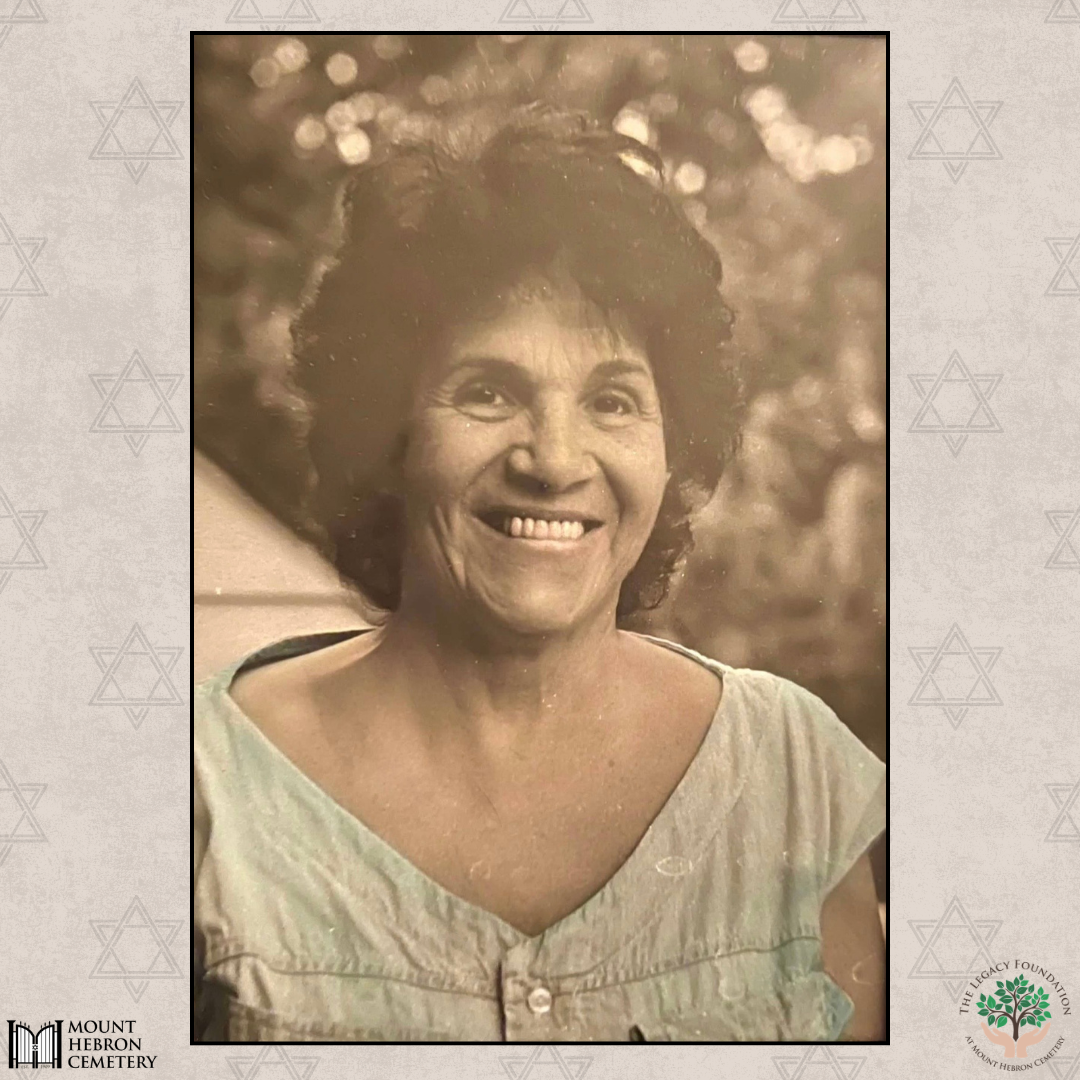
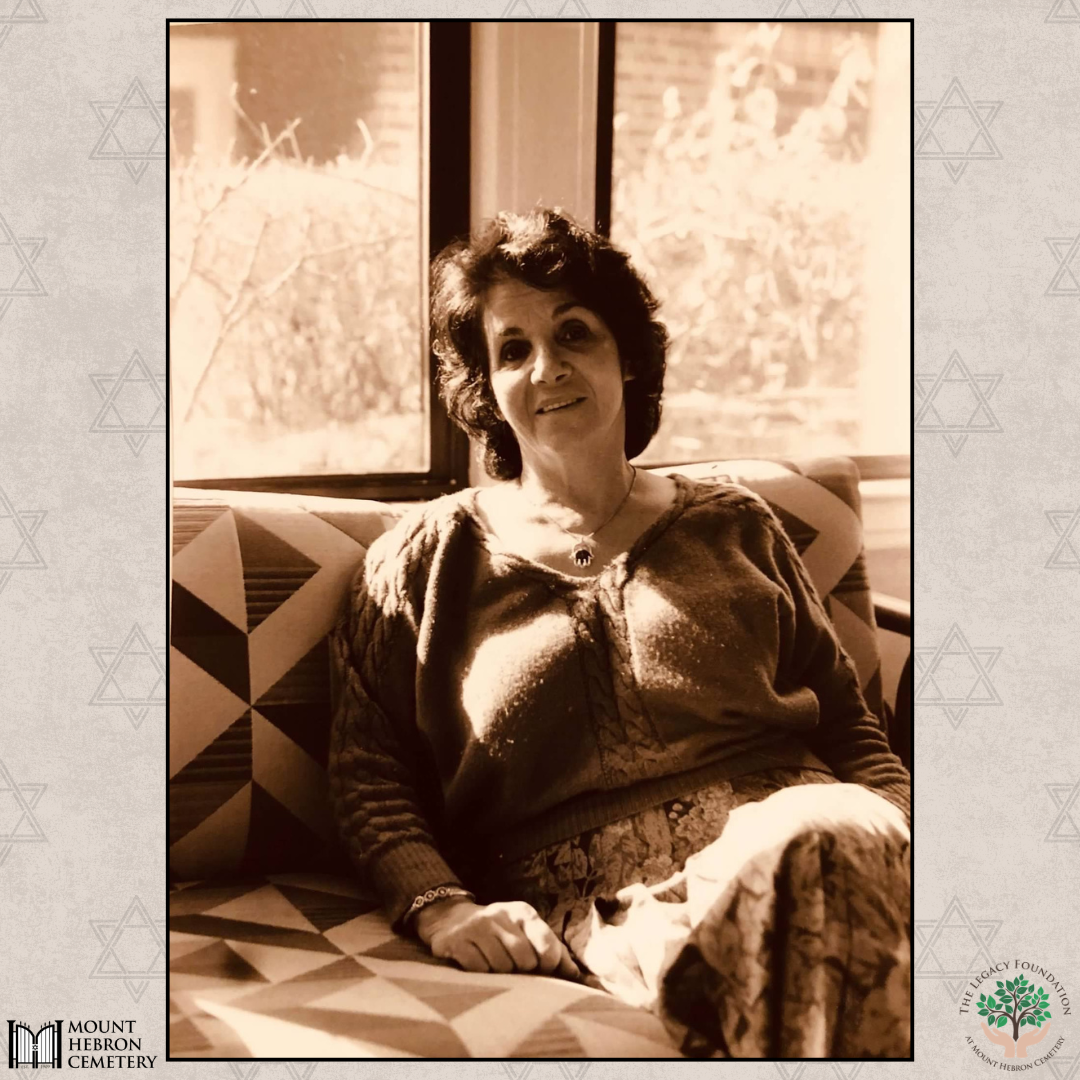
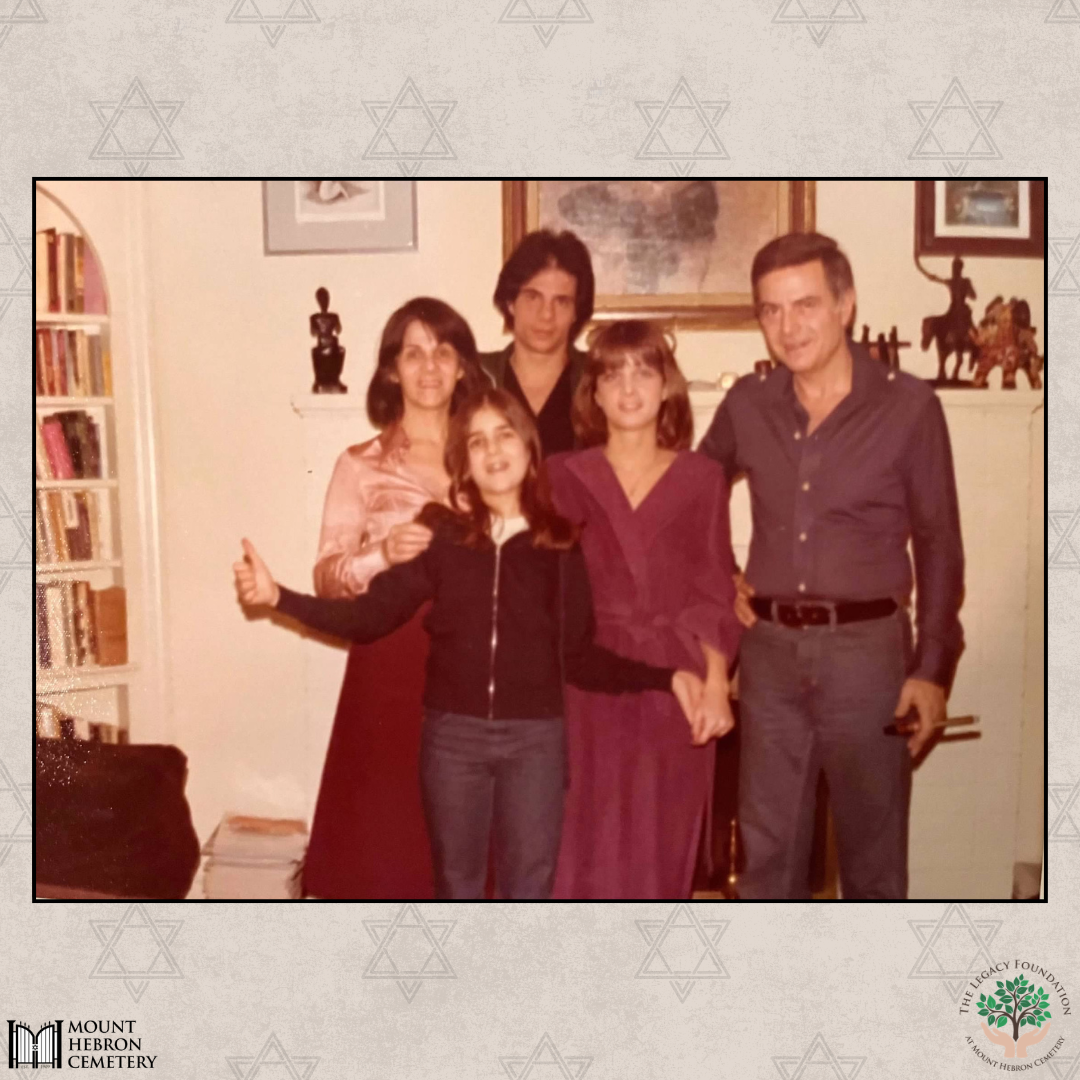
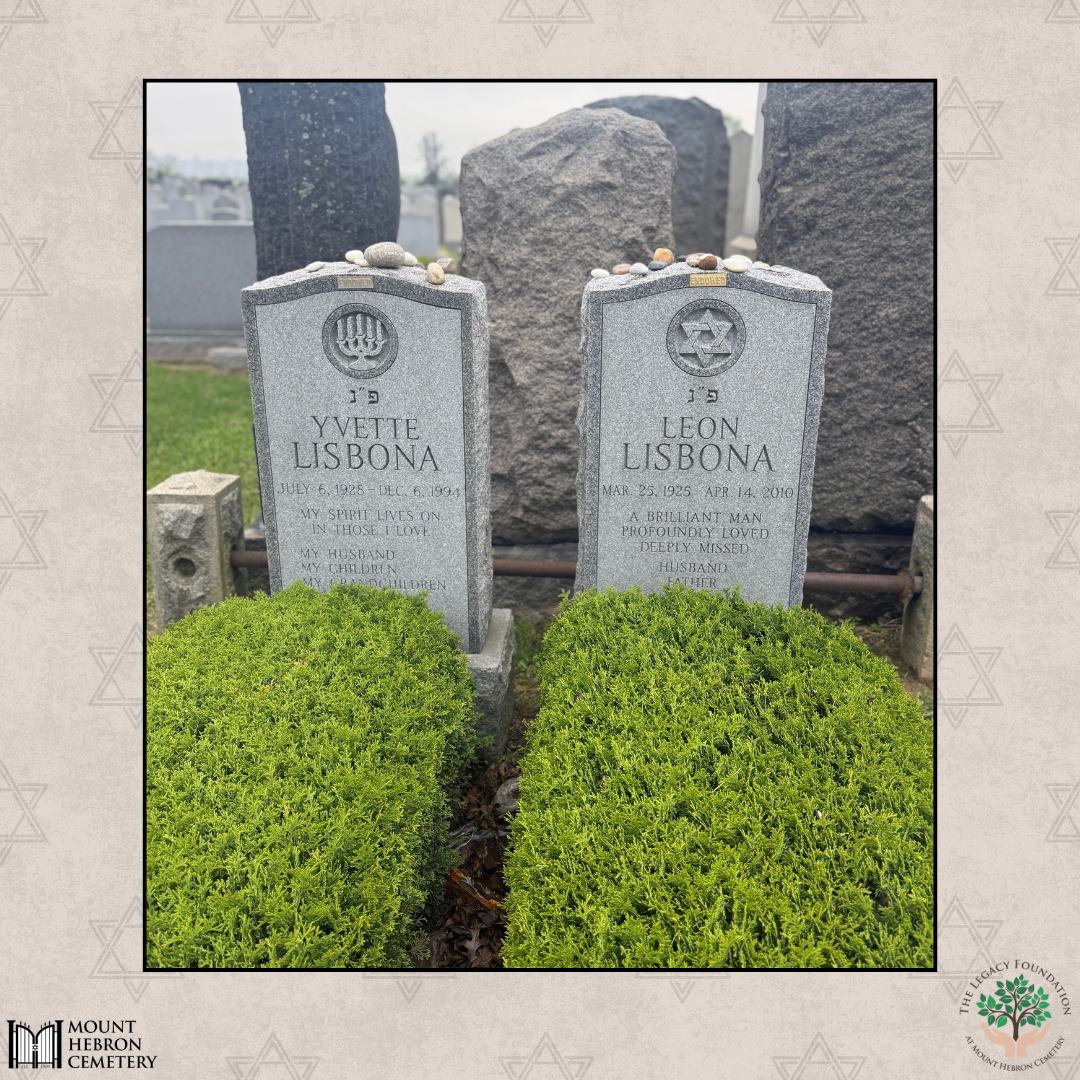
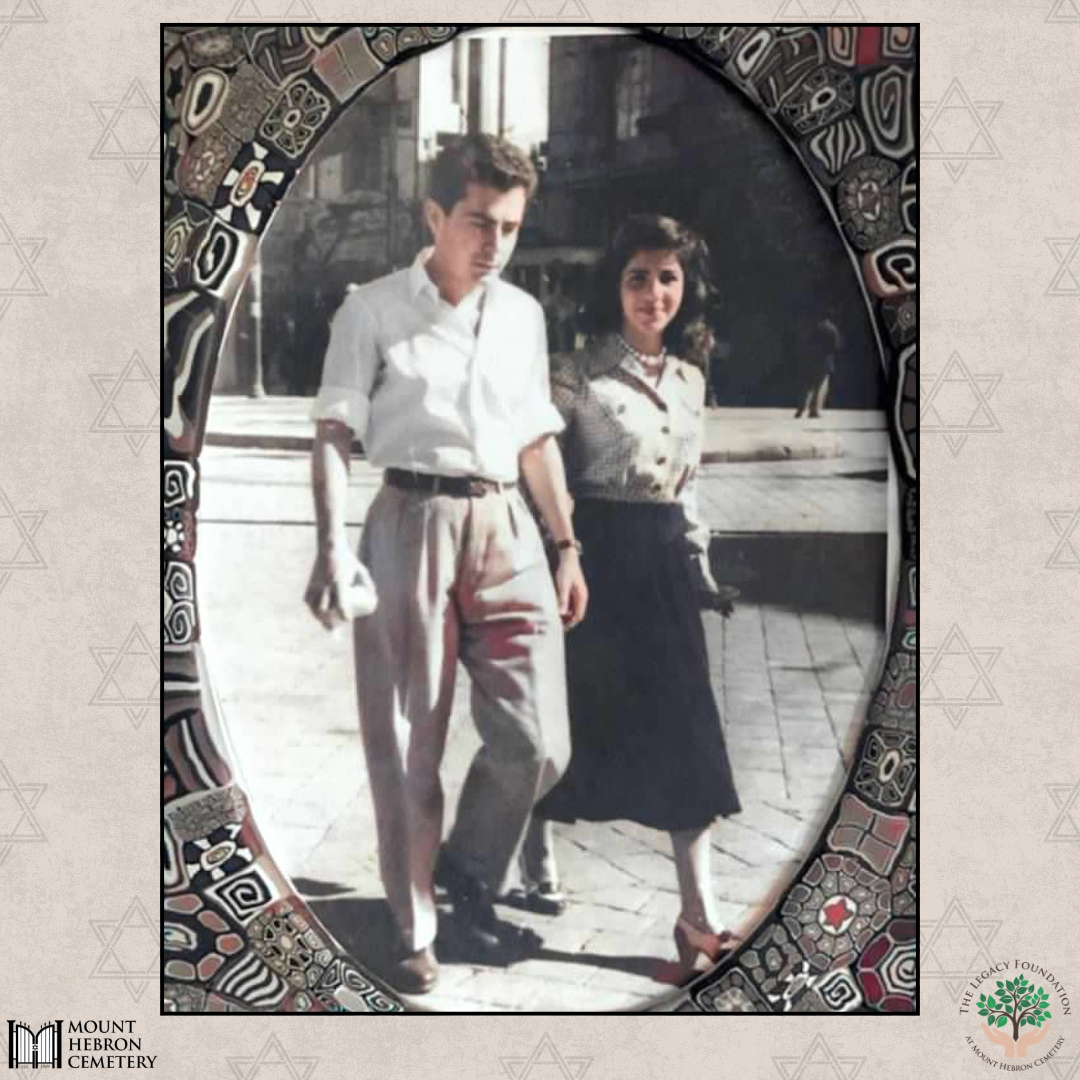
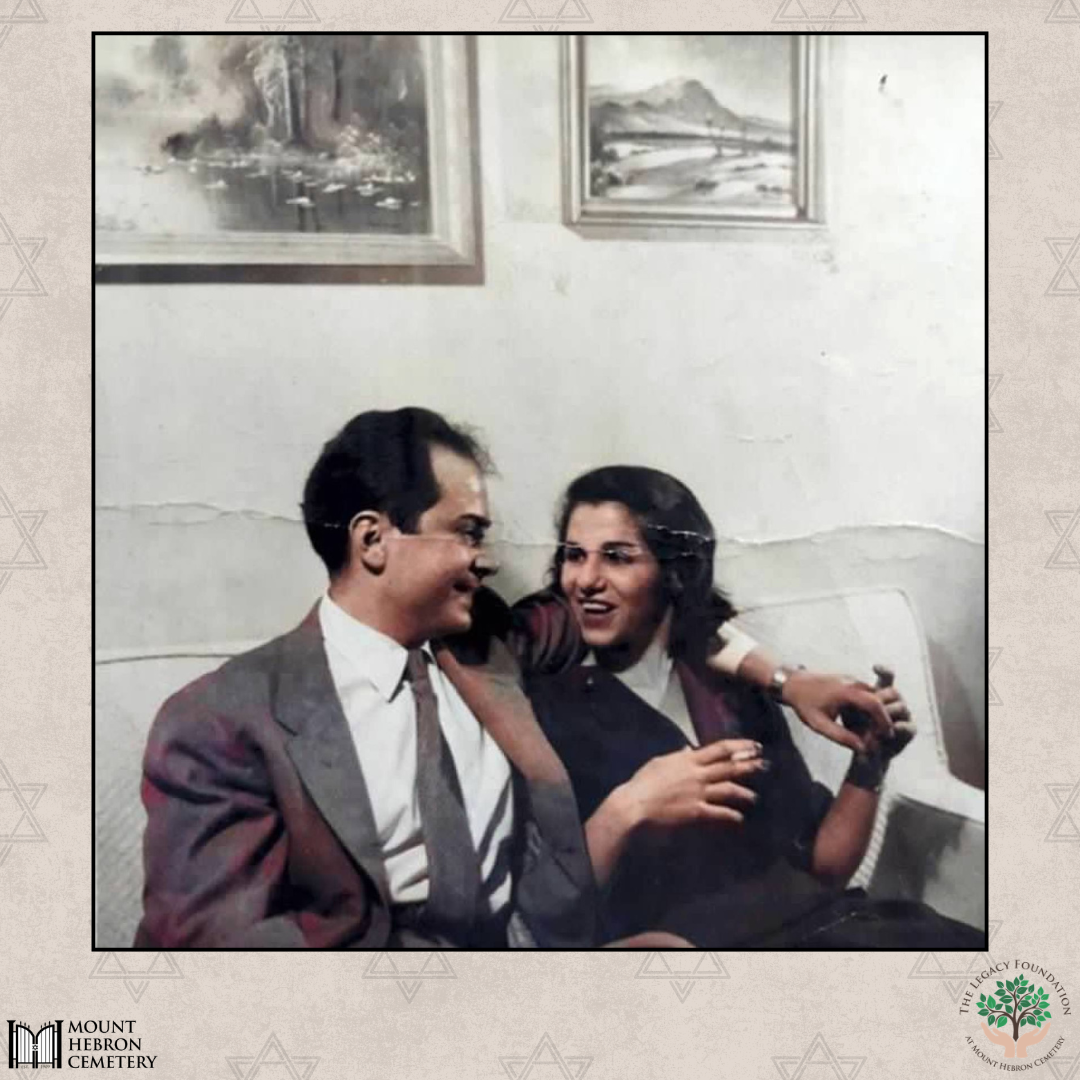
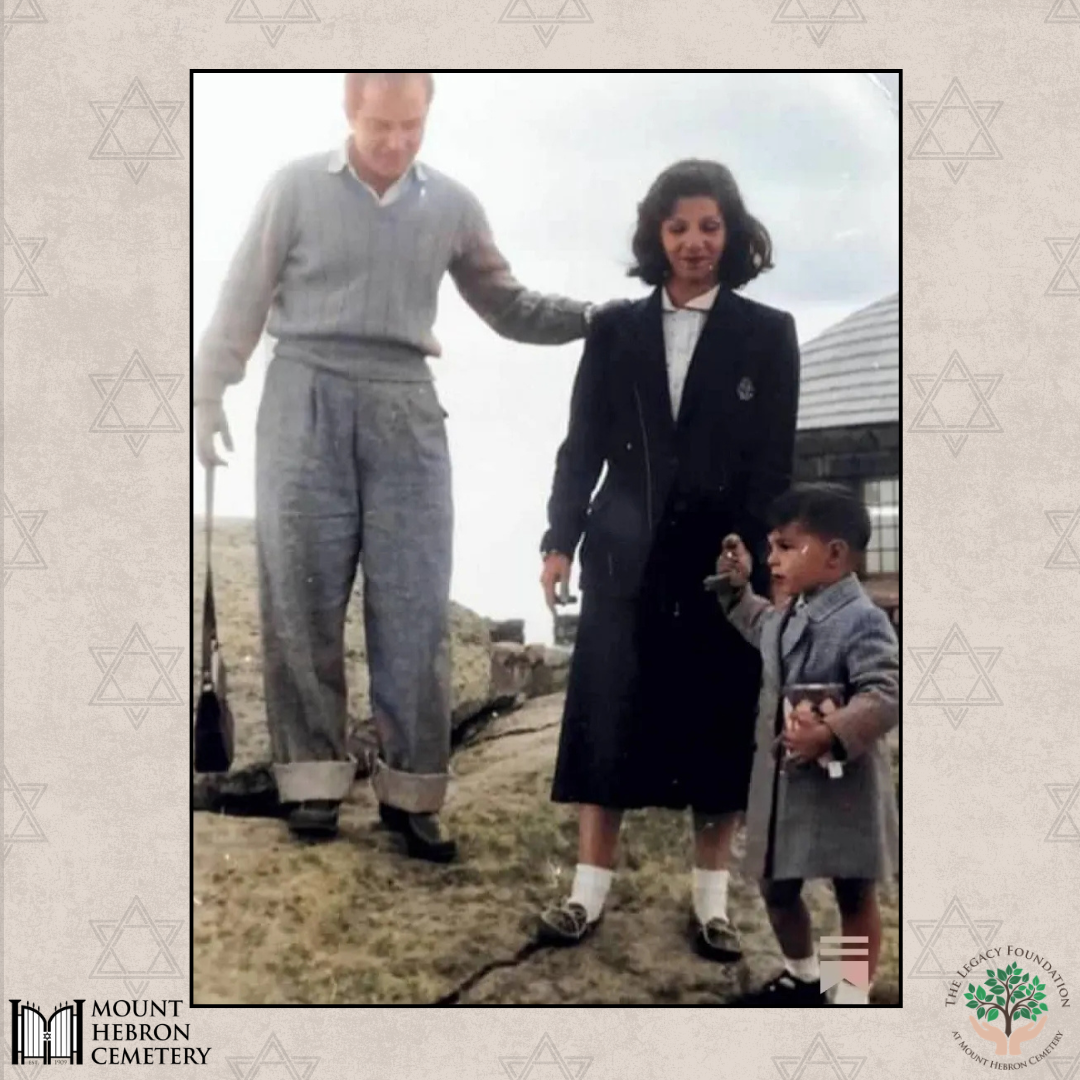
My parents, Leon and Yvette Lisbona, were born in Beirut, Lebanon, my father in 1925 and my mother in 1928. Both olive-skinned and dark haired and small, my father 5’6”, my mother 5’2”.
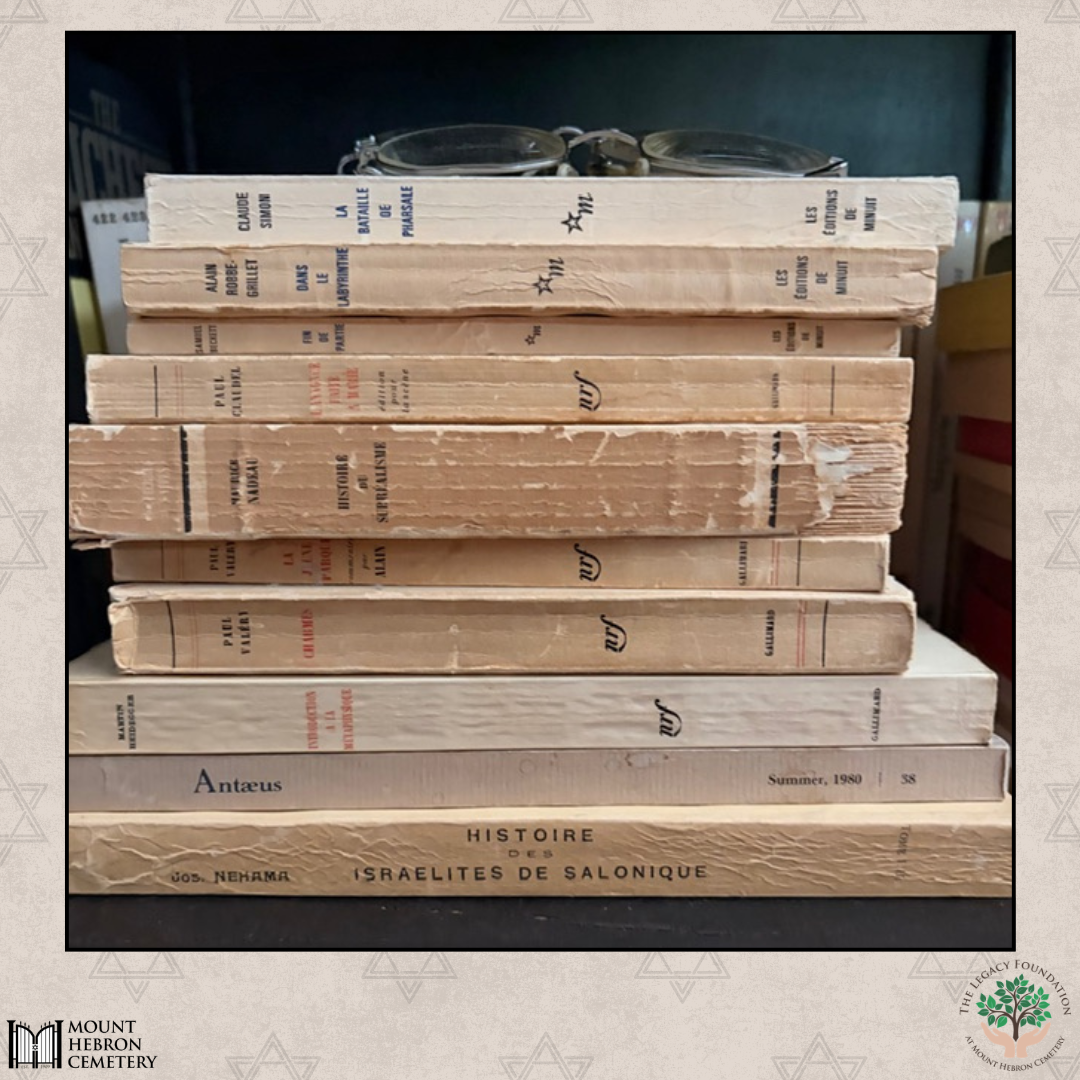
They loved books. In our Queens apartment, we had built-in bookshelves that were lined with them. My dad read Leon Uris, Robin Cook, history, thrillers, and The Clan of the Cave Bear. My mother loved Jean Genet, Marcel Proust, Baudelaire, and Victor Hugo, all of whom she read in French. In English she read John Updike, Philip Roth, Milan Kundera, and Paul Auster; she quoted Oscar Wilde often.
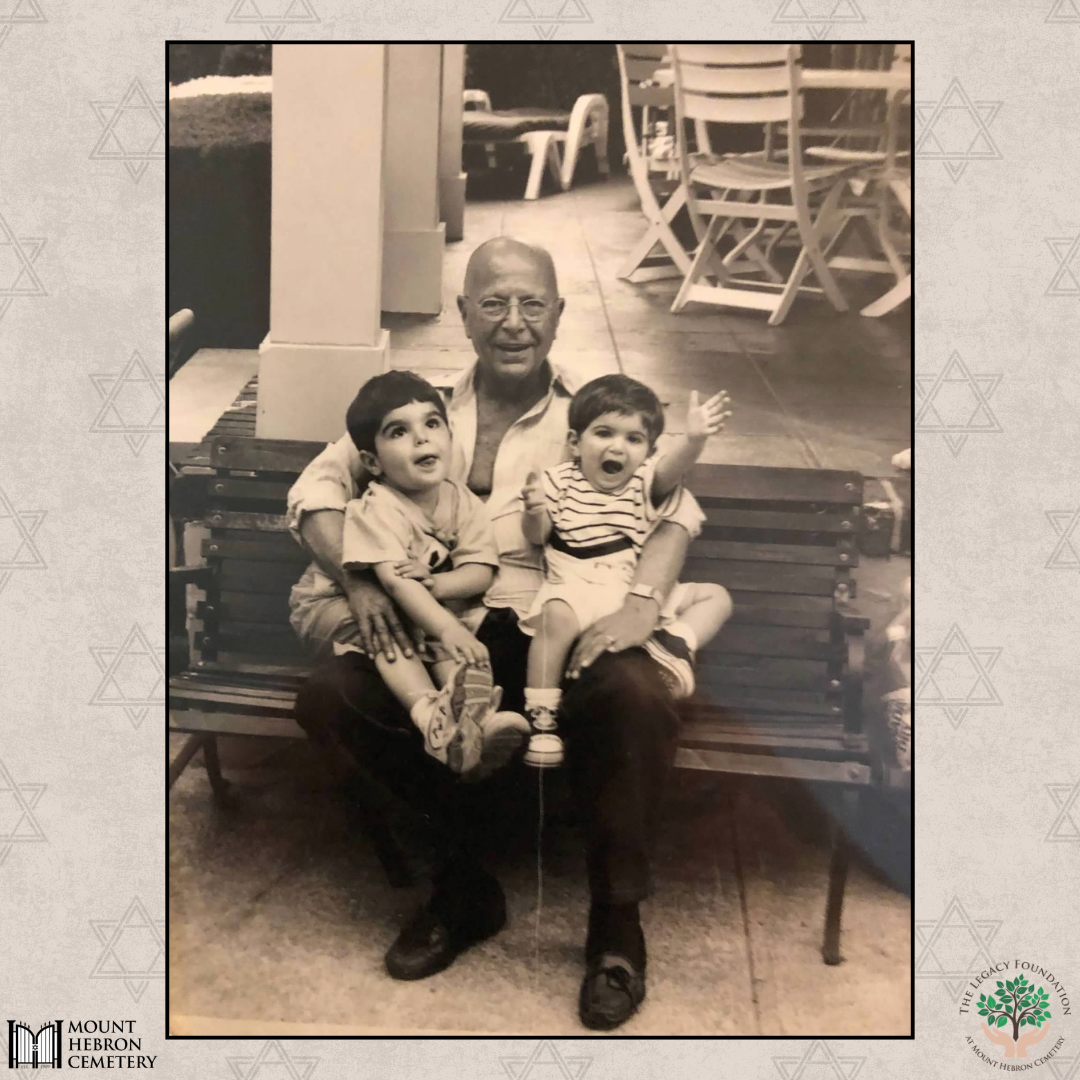
My paternal grandfather, who lived in Brooklyn and visited us once a week, became blind later in life. My mother learned Braille to transcribe the books he loved, tapping away at
special, oversized, and very noisy typewriter-like machine to do so, leaving her rings on the coffee table. I would take them and twirl them around my finger as she typed and say, “Can I have these one day?” She’d pause, look at me, push up the sleeves of her silk dress, and say, “When I die, you can have all my books.”
In 1944, when my father was a student at American University of Beirut, he joined a group called Aleph Bet. They would cross the border into British-controlled Palestine and swim under the cloak of darkness to ships carrying Jews fleeing Nazi Germany. The passengers sent down their children, and my father carried one child at a time as he swam back to the shore. From there he hiked into the mountains, bringing the child to safety, and rushed back to do it all over again before the sun rose. I wonder if he knew that his sister and her three-year-old daughter were on one of those ships. Eventually the ships were turned back to Europe. My aunt and her daughter somehow survived.
Although she loved to read, my mother was deemed by her teachers to be a bad student, so much so that she thought she was not smart enough to continue her education. She was a candy striper at a local hospital.
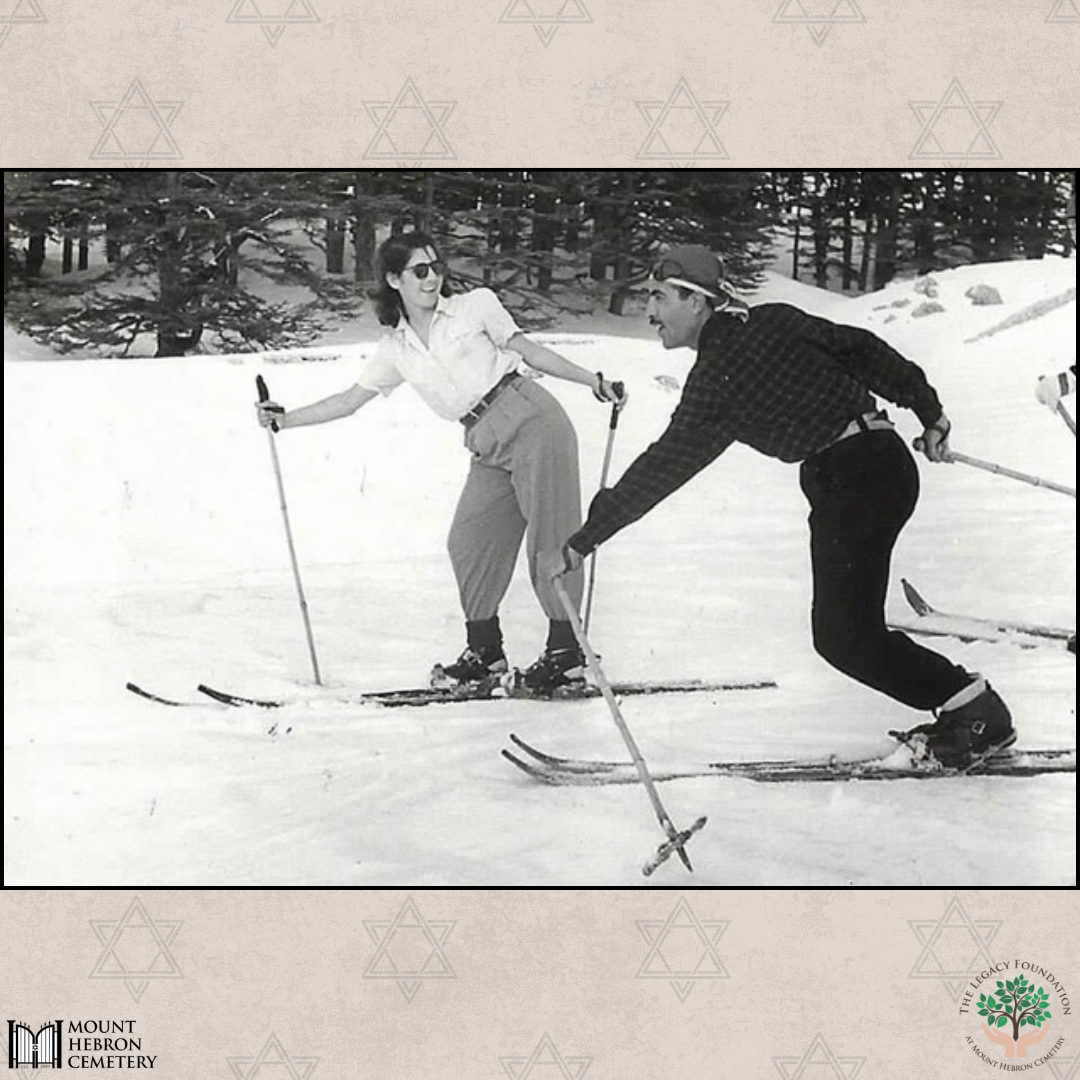
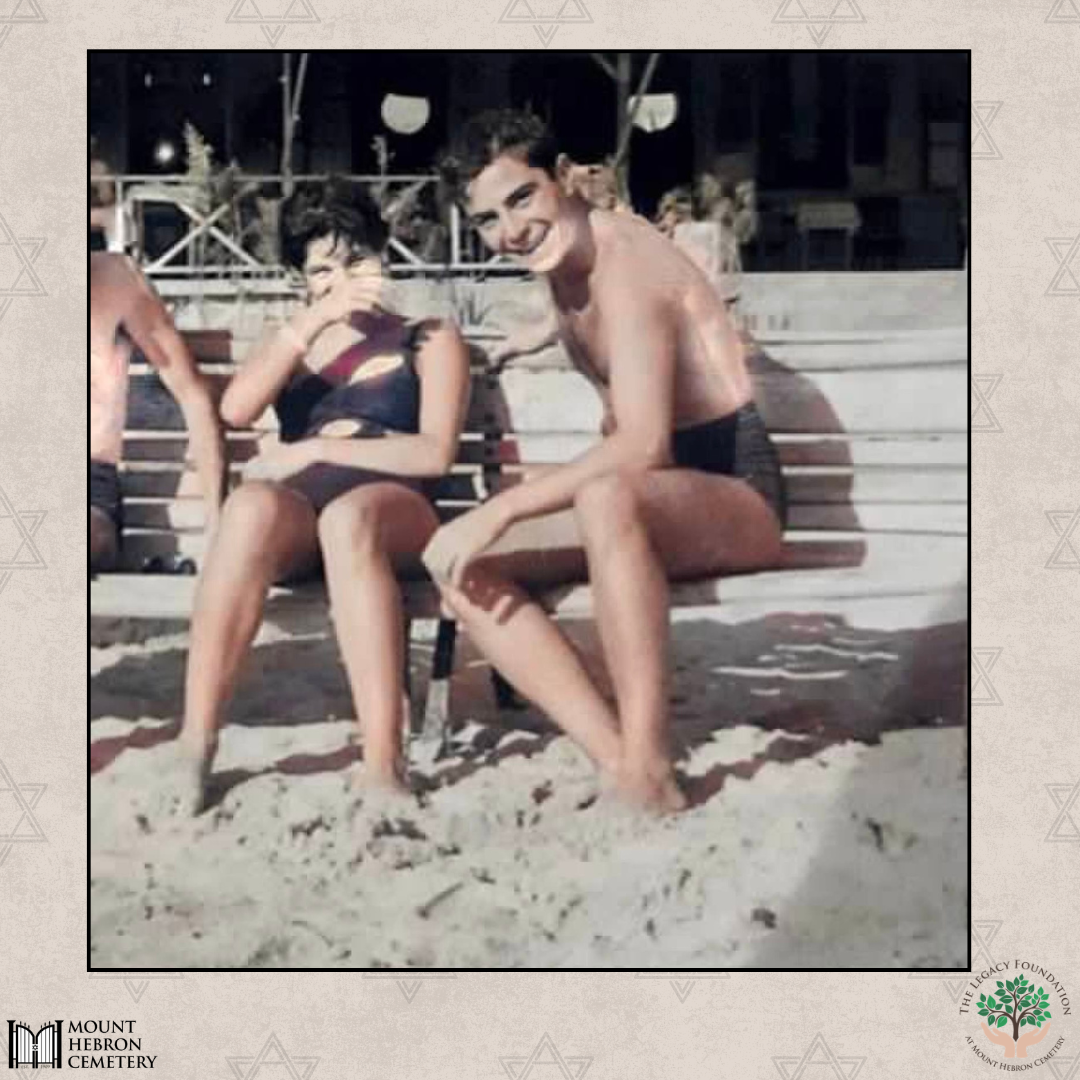
Both of my parents had highly active social lives in a city that was considered the Paris of the Middle East. They bathed on the beaches in the mornings in their teeny-tiny bathing suits and skied in the mountains in the afternoons. At night they went to nightclubs.
On a winter afternoon in 1948, when none of her friends wanted to accompany her to the chilly beach, my mother went alone and found my father there eating his lunch. She recognized him: They had met briefly before, at her house when he had come to take her sister on a date. She had answered the door with curlers in her hair and kept him company until her sister was ready. Now, beside the windswept ocean, they sat together. Every day after that they would meet at the beach for his lunch break, and they fell in love.
My mom was the youngest of nine, and my father the youngest of three. They wanted to marry, but they weren’t permitted, probably because his parents were divorced, which was unheard of at the time. My father’s mother was a milliner with her own fashionable shop in the center of town. She traveled to France and Italy regularly to buy the latest hats to stock in her store. My father’s father was a banker before he lost his vision. They had fallen on hard times when they divorced.
Barred from seeing each other, my parents eloped on September 28, 1948. My mother hopped onto a trolley car in her yellow sundress to meet my father at a café, where a rabbi was waiting to marry them.
At the time, Lebanon had a Jewish population of over 200,000. My parents considered themselves Arab or, at the very least, Arab Jews. They spoke Arabic and had friends who were both Jewish and Muslim. When Israel was founded in 1948, they were suddenly living in a hostile environment and were forced to leave.
In December 1949, when they were 24 and 21, they came to New York on a tourist visa with no money. My mother was pregnant with my brother. With no place to go, they spent their first night on a bench in Central Park.
They found an apartment on Amsterdam Avenue in the upper 90s that had a view of a brick wall. At night my mother taught herself English by reading The Picture of Dorian Gray and Death of a Salesman. When their baby was born, she named him Dorian.
My father got a job as a traveling salesman. My mother worked in someone’s home, possibly as a maid, and was able to bring my brother with her.
Sometime later, their tourist visa expired and they petitioned for citizenship as refugees.
In 1952, they moved to Queens in a light-filled walk-up. In 1954, they had my sister, Deborah. After that, my mother took care of the household and my father had two and sometimes three jobs. There was no dishwasher, no air conditioning, no washing machine. My mother had to take the family’s laundry to a laundromat and then hang all their clothes and sheets on lines on the rooftop of their building.
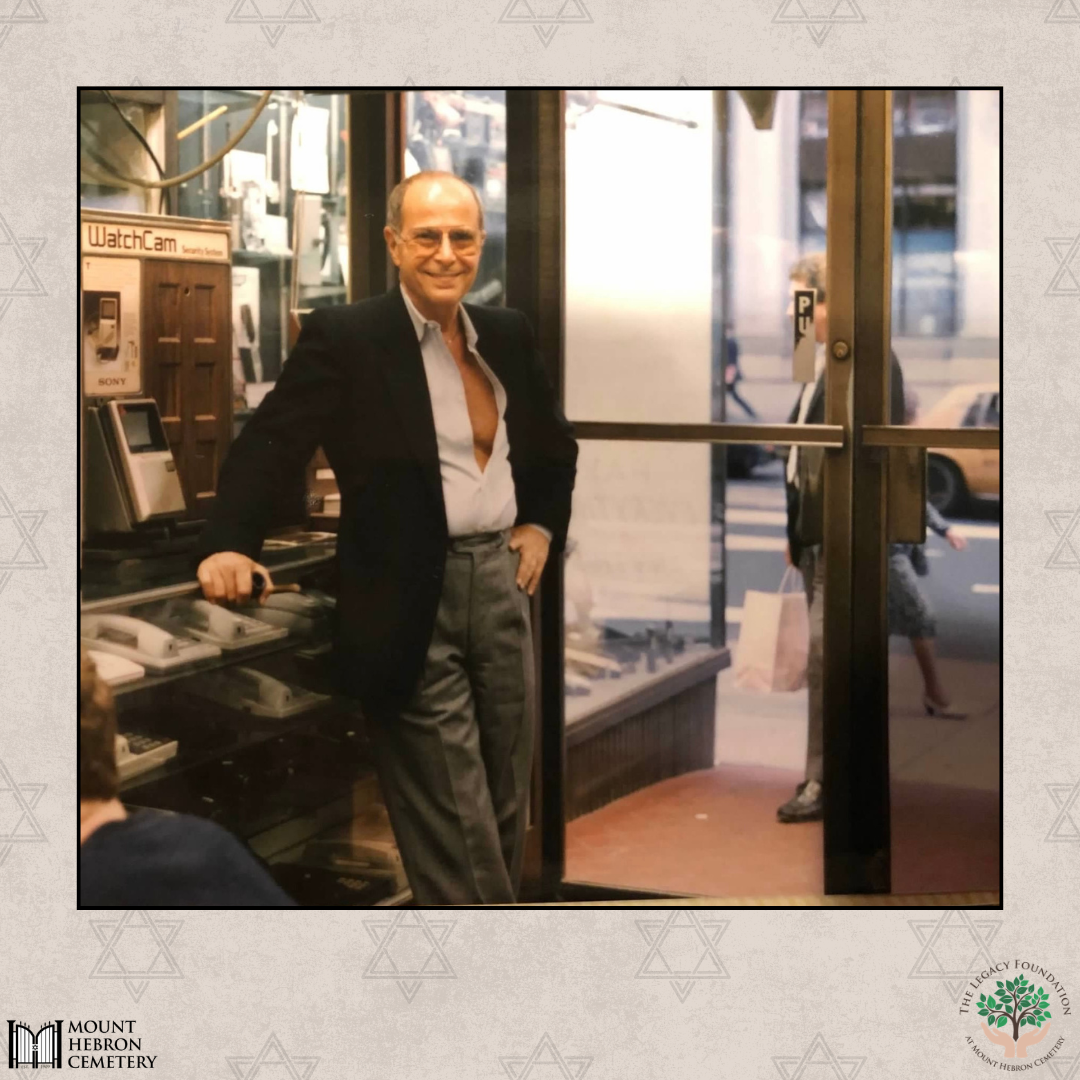
In the 1960s, my father opened his own electronics shop, first in Grand Central Terminal (Ripley’s) and then on Madison Avenue (Spectra). Inspired by the James Bond movies, he sold gadgets that ignited the imagination. His stores were precursors to Sharper Image and Brookstone. His clients were the richest and most celebrated in the world.
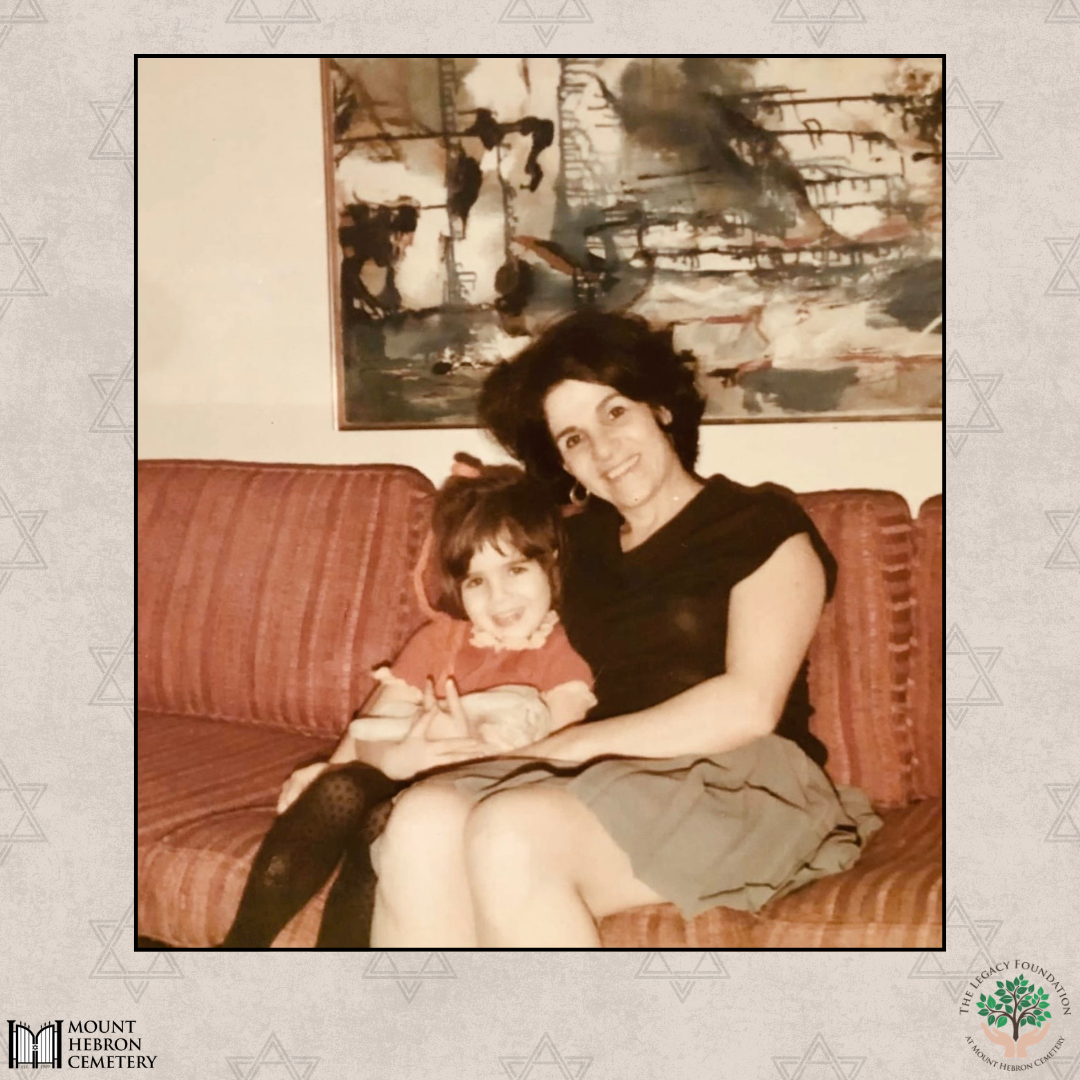
In 1964, my family moved to an apartment with a balcony in a doorman building in Kew Gardens. The superintendent’s wife who showed my mother the place was French Canadian, and being able to speak French with her put my mom at ease. She immediately felt at home. I was born there later that year.
My parents found themselves in a large social group centered around playing cards at one another’s homes. They entertained a lot, and for me there was nothing better than having a house full of company. The friends were all survivors from the camps. When I asked one, the friendliest of the bunch, why he had a number tattooed on his arm, he said it was his girlfriend’s phone number, which made me laugh, but underneath the laugh I always seemed to have known what happened to them.
When I was four, my mother enrolled in the ACE (Adult Collegiate Education) program at Queens College. At the time, city colleges and universities were free. With no childcare, I came with her, equipped with a coloring book. She went on to get a master’s in philosophy and was working on her PhD in French literature at the Graduate Center on 42nd Street but never completed it.
She made new friends at the university, and I played with their children. She brought me to women’s consciousness-raising meetings while I toted a Barbie. She became a professor at York College, teaching English to undergrads. She never lost her accent, but her English was better than mine.
Meanwhile, Spectra did well enough that my mother could get her hair done at Kenneth’s, like Jackie Kennedy, and shop at Lord & Taylor, Saks, and Loehmann’s.
My older siblings were rebellious and contrary, puzzling my parents. I was much younger than them, by 14 and 10 years, and from what I witnessed, rebellion didn’t appeal to me. Instead, I enrolled at Queens College and got a liberal arts degree.
My parents enjoyed being New Yorkers and went to the ballet at Lincoln Center. My mother had season tickets to the opera and was a fan of Beverly Sills, Renata Scotto, and especially Luciano Pavarotti.
And they were film aficionados. They attended the New York Film Festival every year since its inception. The three of us went to movies together at the Paris Theater and The Ziegfeld, and sat through Bertolucci’s more-than-five-hour 1900 and nearly three hours of Peter Brook’s the Mahabharata at the Film Forum. We saw every James Bond movie the day it came out, and Star Wars, too.
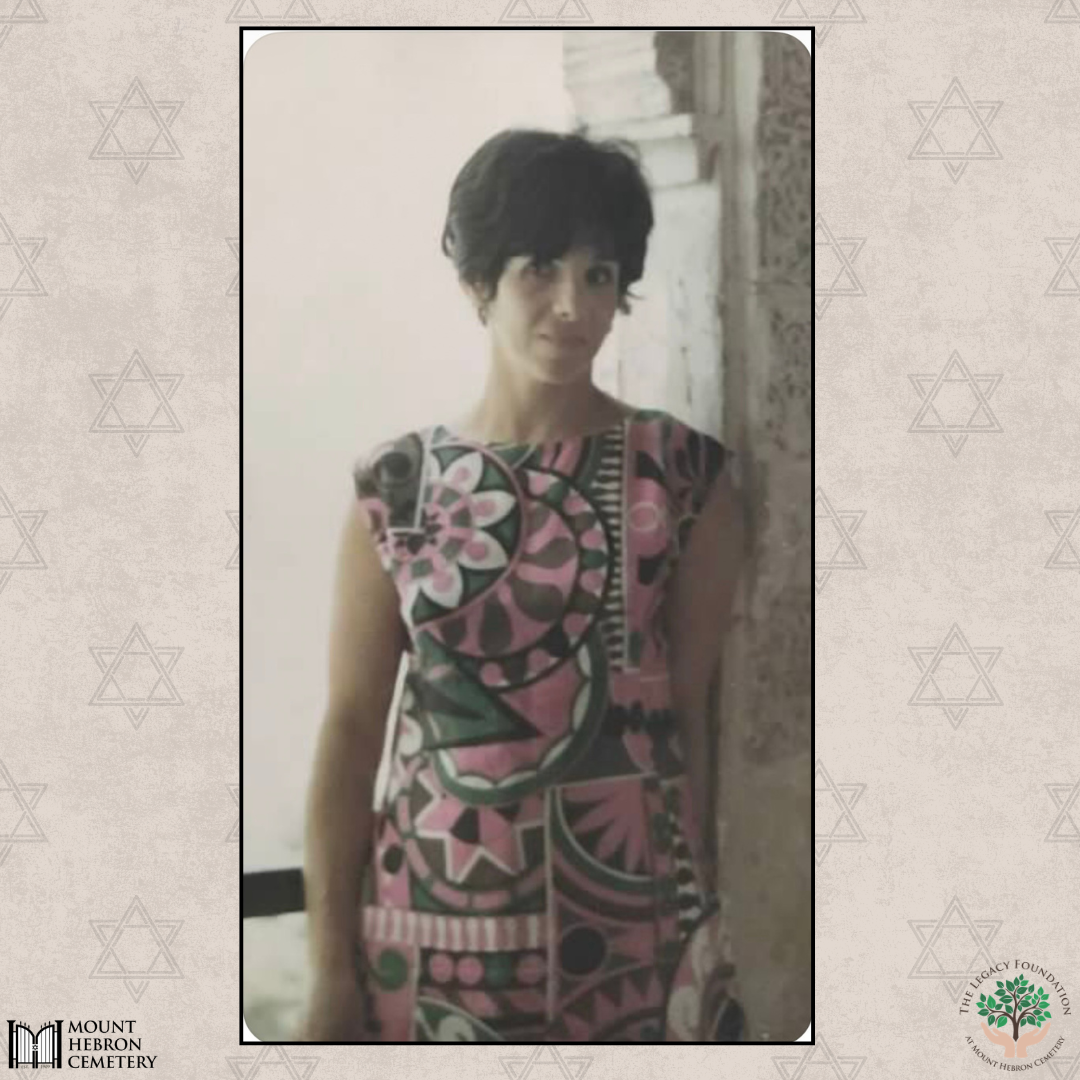
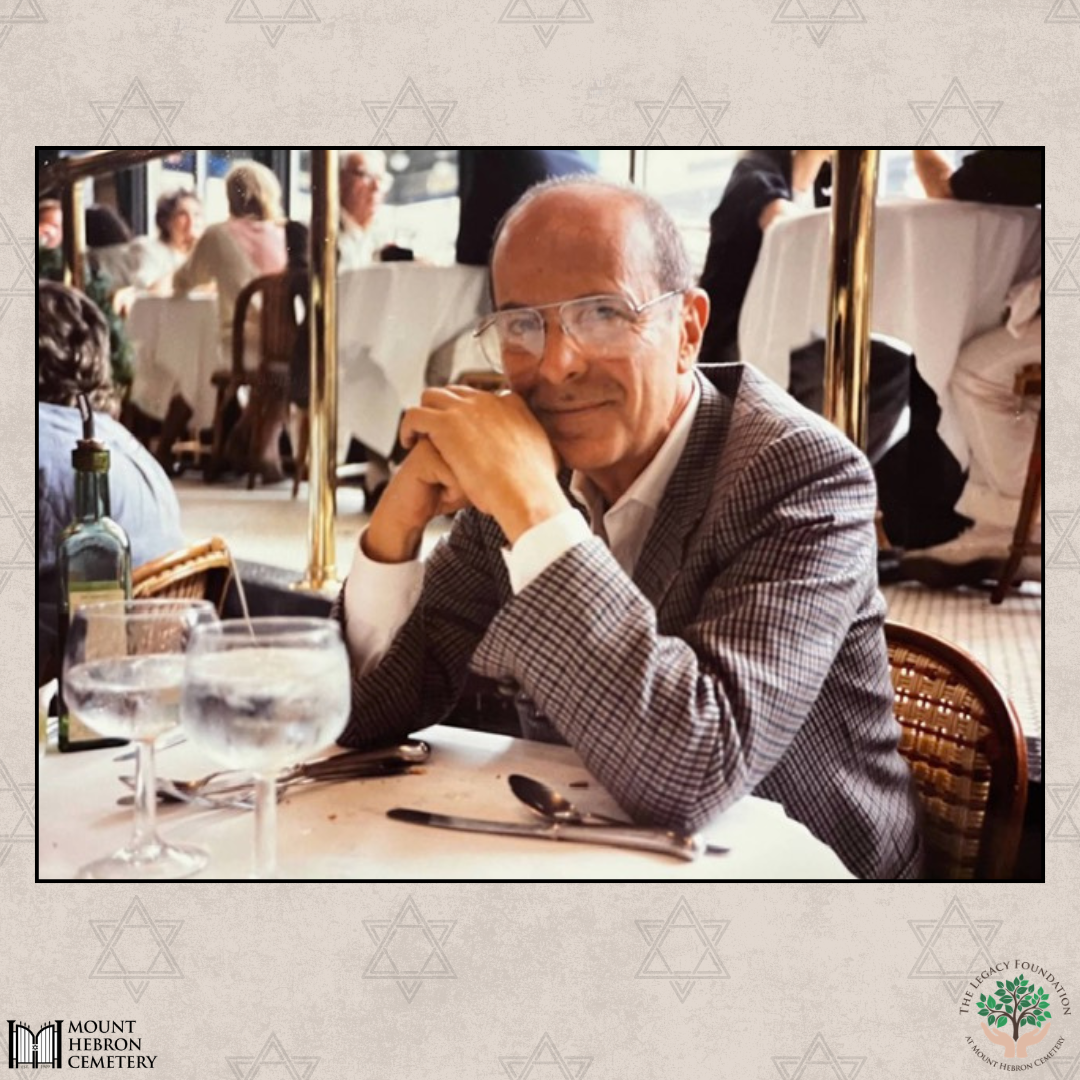
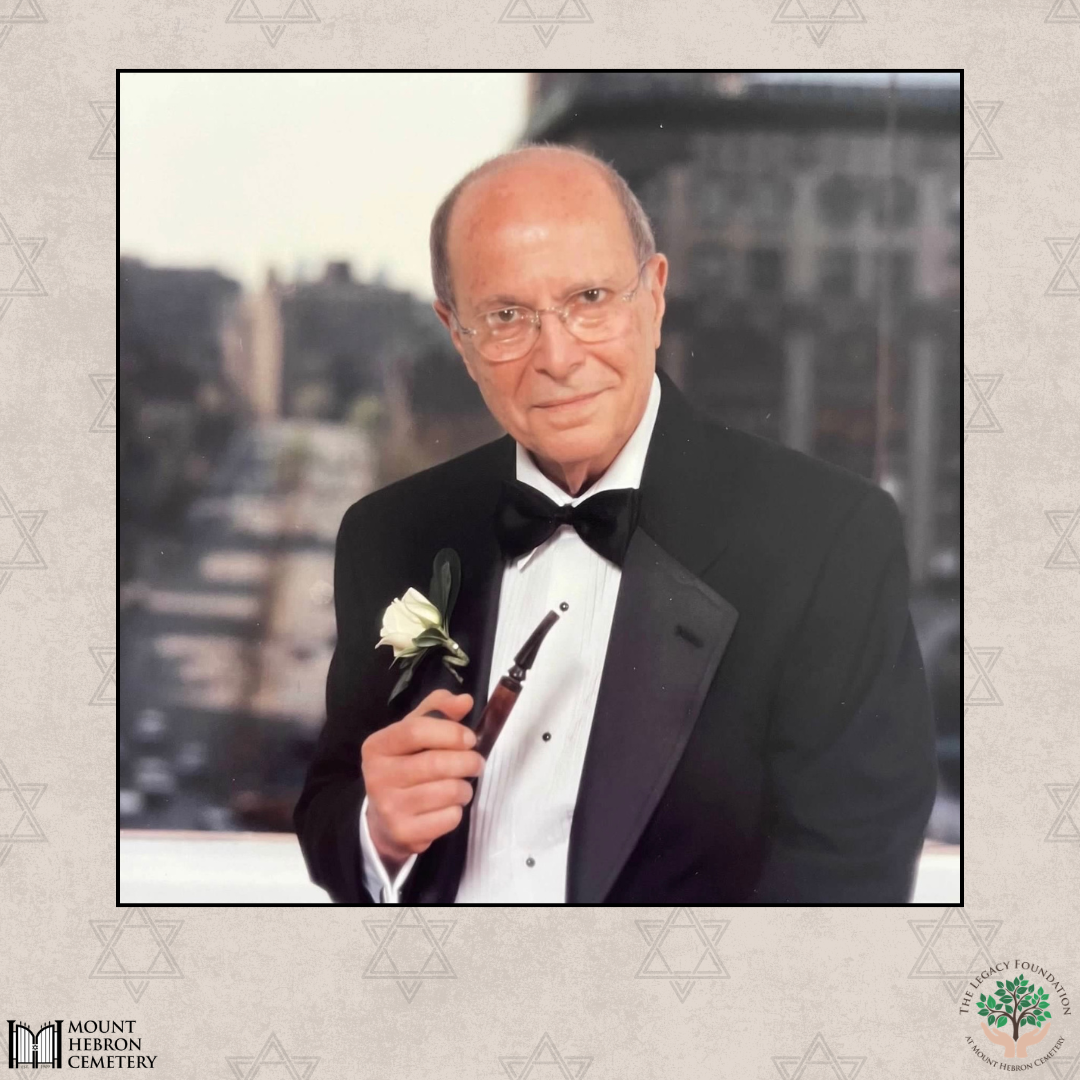
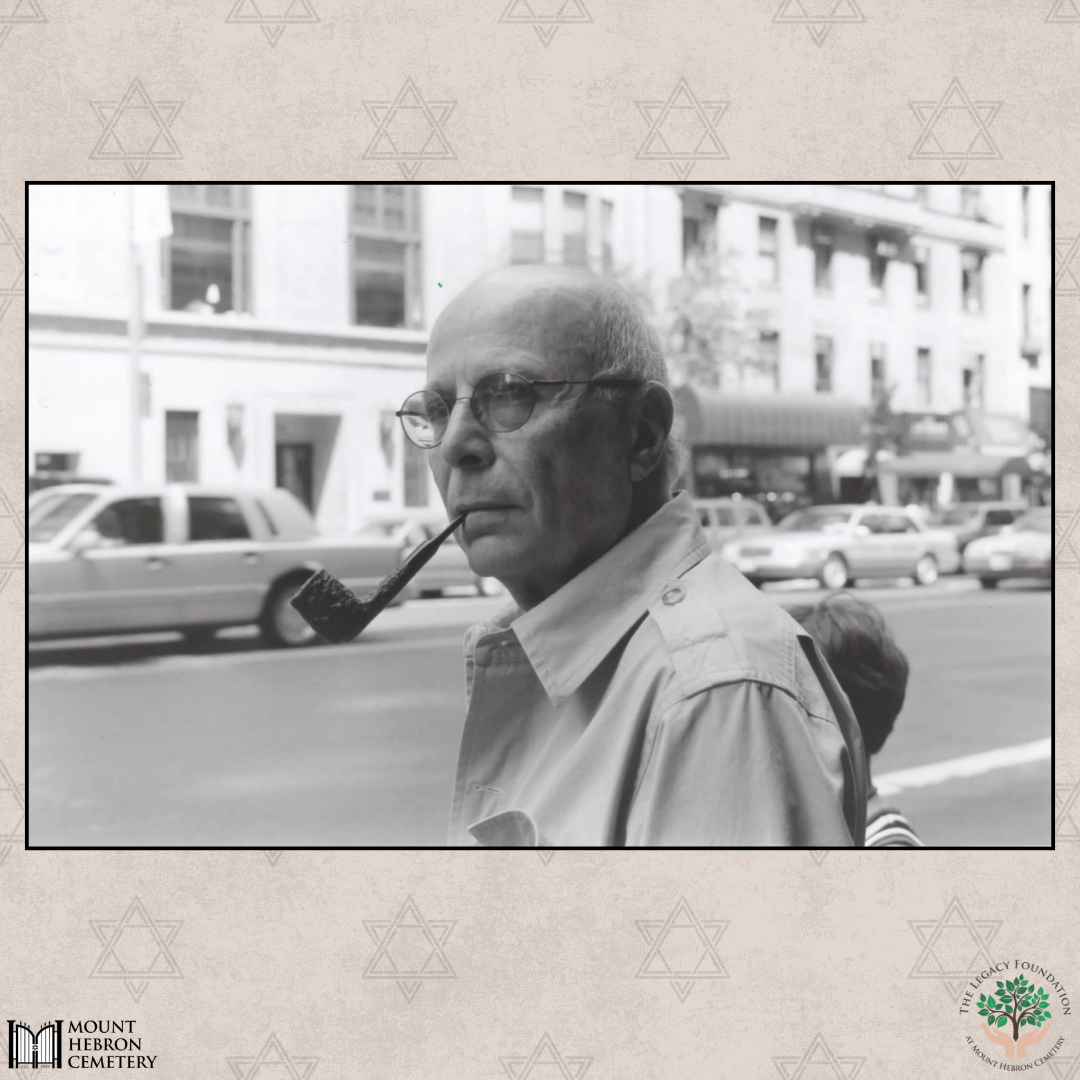
After a movie, my father would say, “Let’s go for ice cream!”, which meant Serendipity or Peppermint Park. Sometimes we went to Wolf’s Delicatessen on 57th Street and 6th Avenue, my mom in a Pucci or Halston microsuede dress, my dad in an ascot with designer jeans, his shoulder bag carrying his important things, a pipe and fancy lighter in the jacket of his blazer.
When my father couldn’t attend some special event, I was my mother’s date, rushing to get ready at the last minute, putting on a velvet skirt that my mom bought me from Bonwit Teller for just these occasions.
My father was a charming salesman, and sometimes his customers invited him places. Yaacov Agam took us on a tour of his exhibition at the Guggenheim. Stevie Wonder sent a car to bring us to his show at Madison Square Garden, where we sat in the front row on a school night.
My aunts and uncles and cousins from around the world visited us often and even stayed in our apartment. My parents’ favorite place to take first-timers to New York City was Windows on the World.
They never stopped going to the beach. We went to Jones Beach and Sunken Meadow all summer, being the first to arrive and the last to leave. Many times, their friends joined us. We went in caravans of cars, loaded with children, food, playpens, and decks of cards. My mother, the most athletic of them all, and the most daring, would run to the water, diving into the waves and returning to the towel jubilant and beaming. Sometimes, on her second jaunt to the sea, she would sweep me into her arms and take me with her into the water.
My father chose unusual cars. We only owned one at a time, including a series of navy Volkswagen Beetles, a yellow Karmann Ghia, The Thing, a Scirocco, a Suzuki jeep, and a green convertible Fiat.
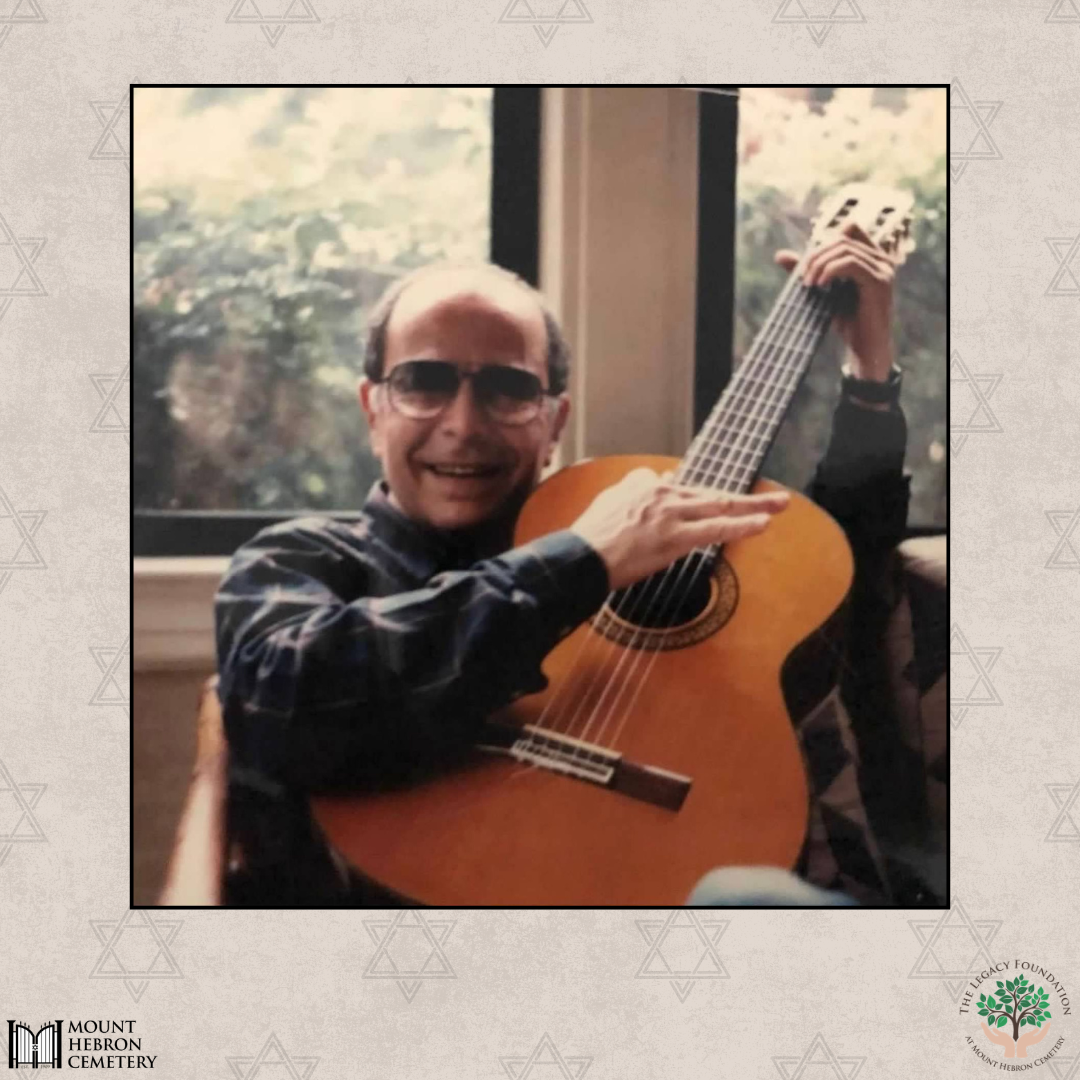
He spent Sunday evenings listening to his countless records and delighted in playing classical guitar. He was self-taught and incredibly talented, all his fingers seeming to fly at once.
In 1976, we moved to a house in Forest Hills. This was an unbelievable thing, to have a house of our own.
At 60, my father had the first of two open-heart surgeries to replace a valve. That wasn’t a routine procedure. Each time, he barely survived and knew he would need a new valve every ten years.
In 1989, my father was wrongfully convicted of arms dealing (night-vision goggles) and served four and a half years in prison. He lost his shop on Madison Avenue, and we nearly lost the house.
Eight days after he was released, in 1994, my mother died, unexpectedly, after a night at the theater. She was 66. One moment she was laughing and as happy as could be, and the next she was buried in the hard cold ground at Mount Hebron. I don’t know the cause. She stopped breathing, and my life was never the same.
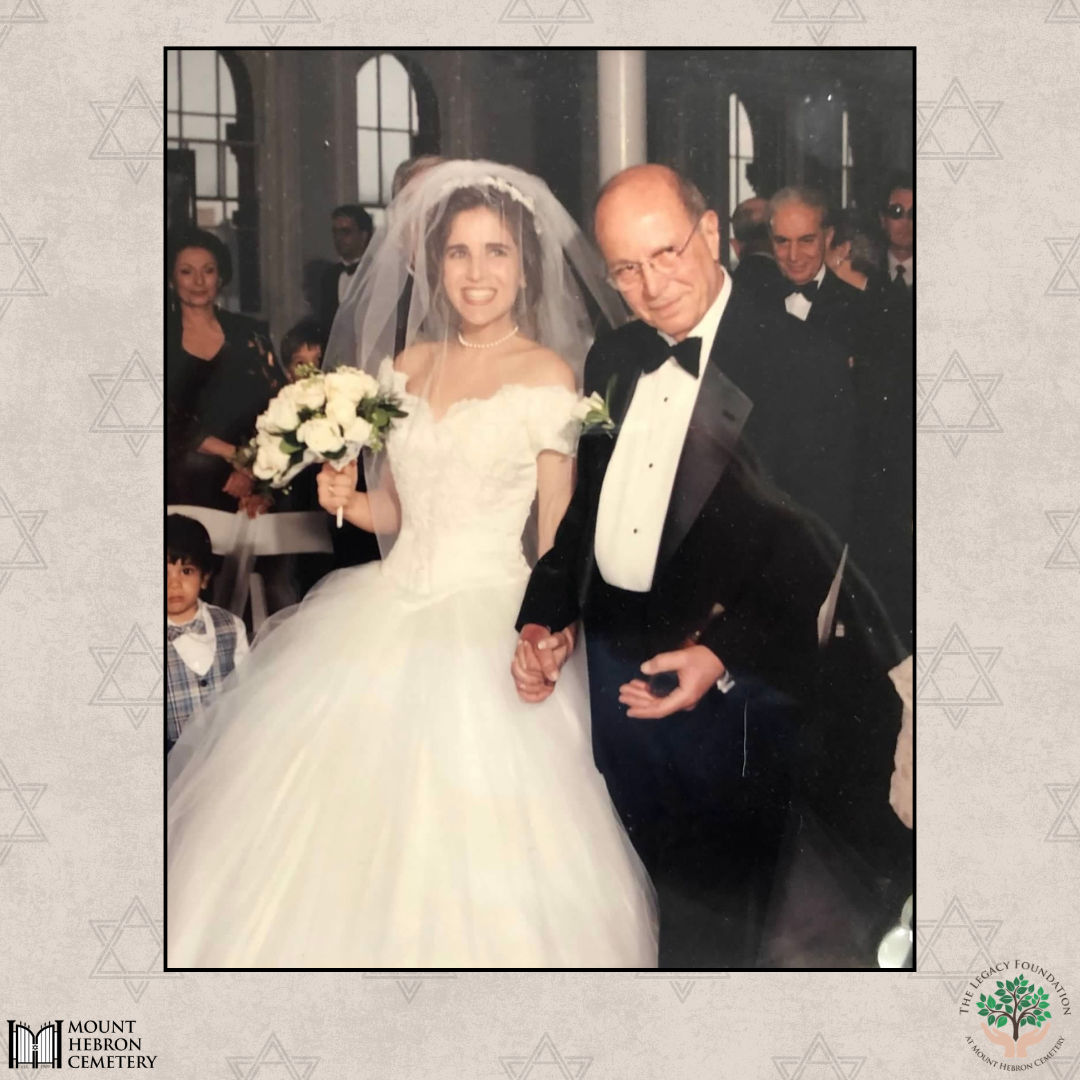
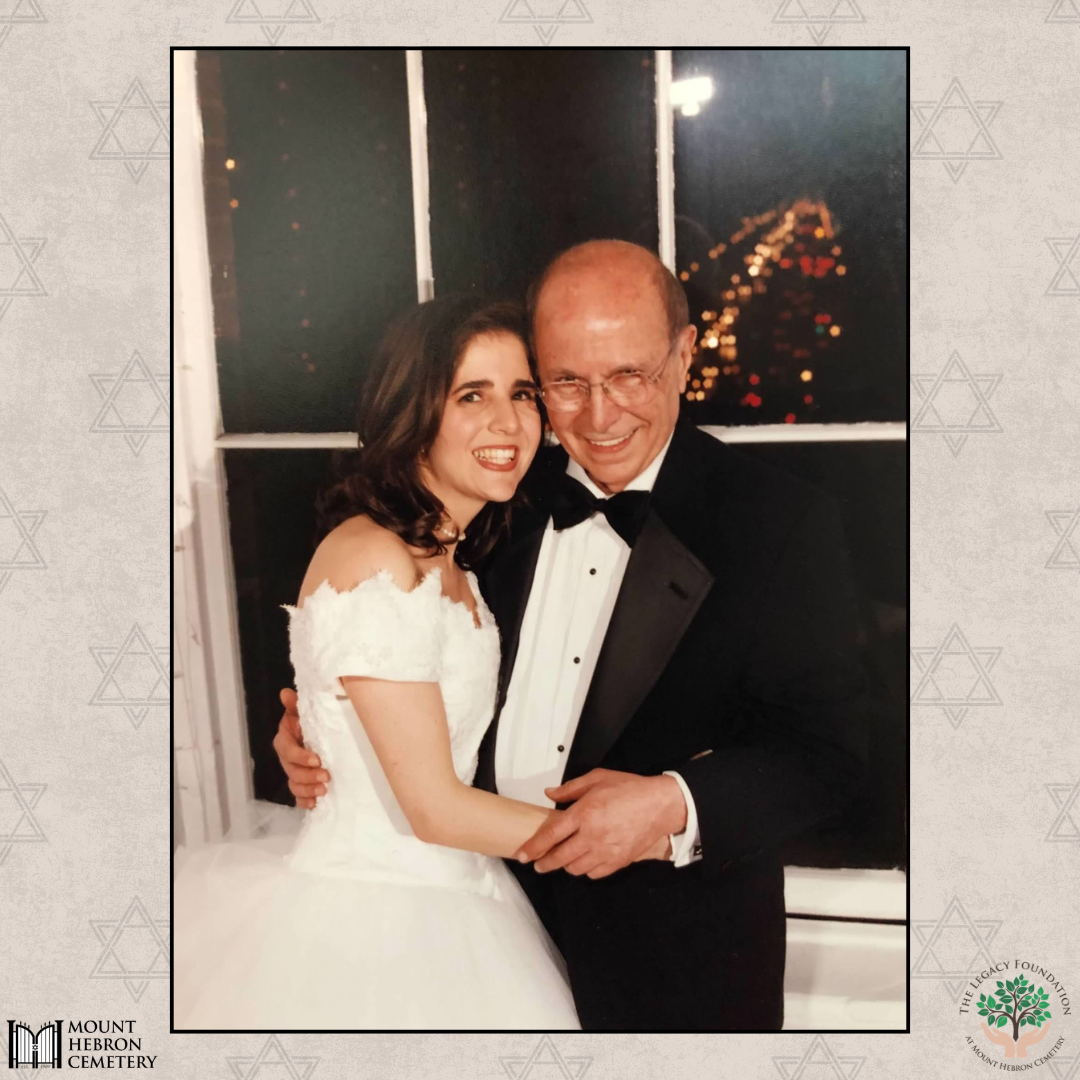
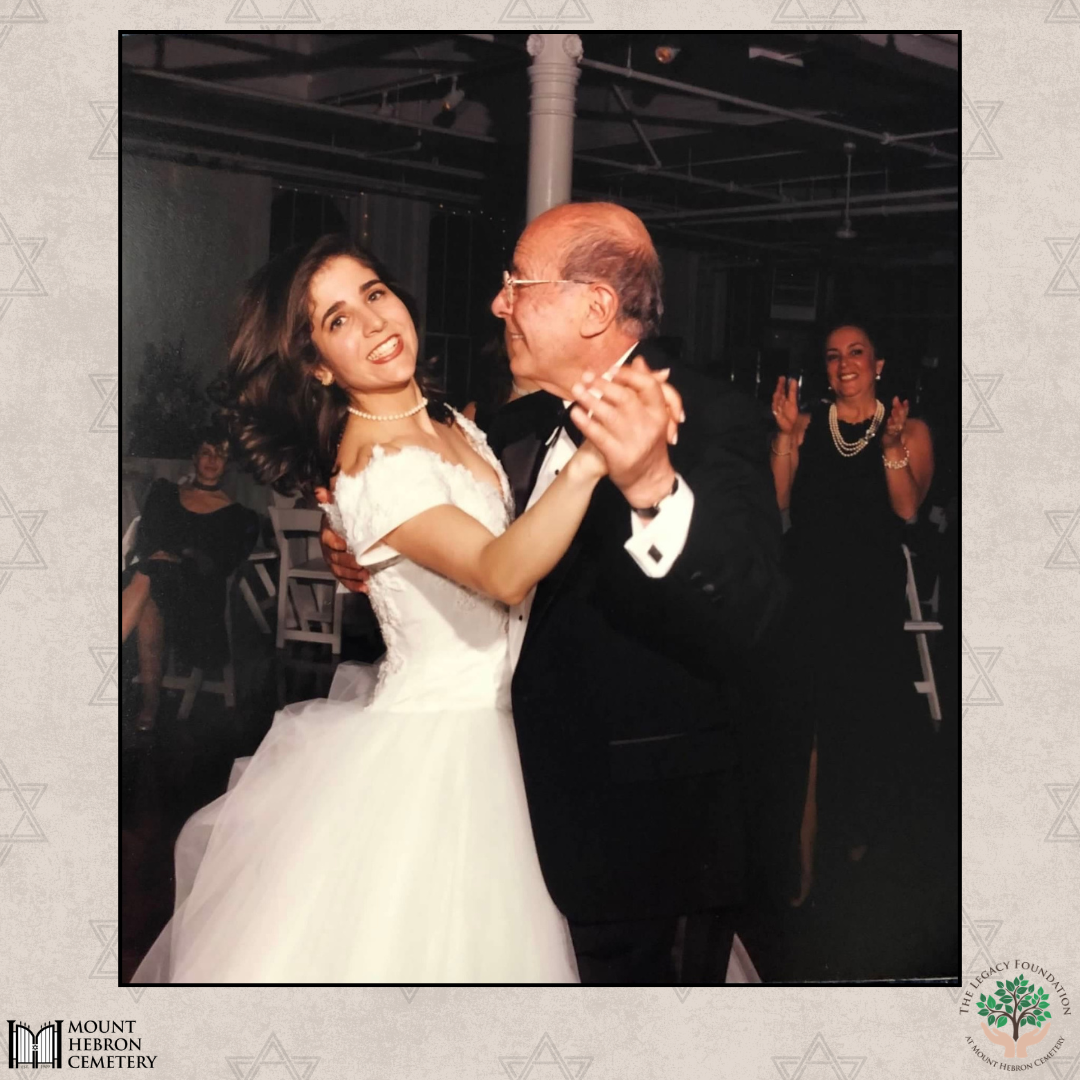
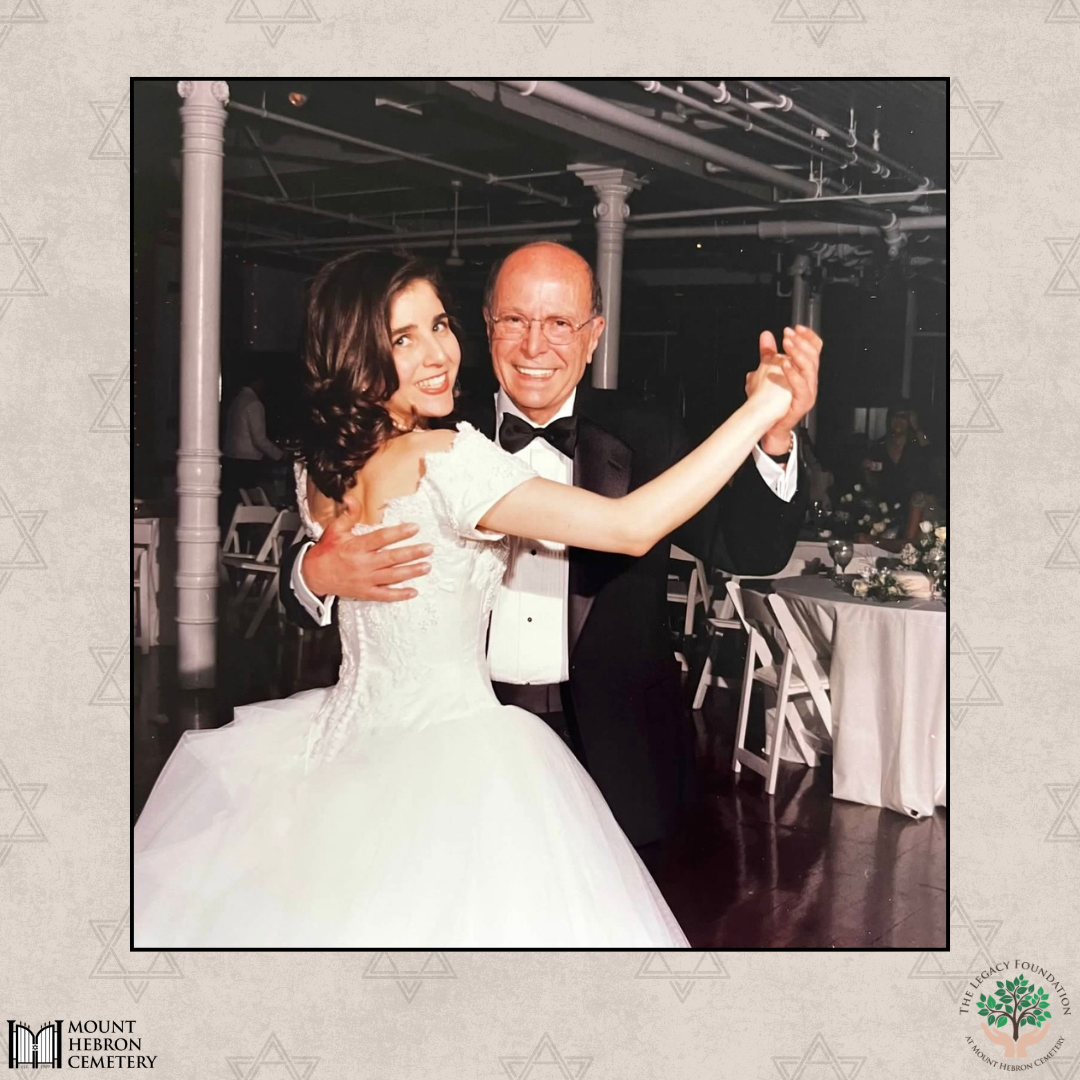
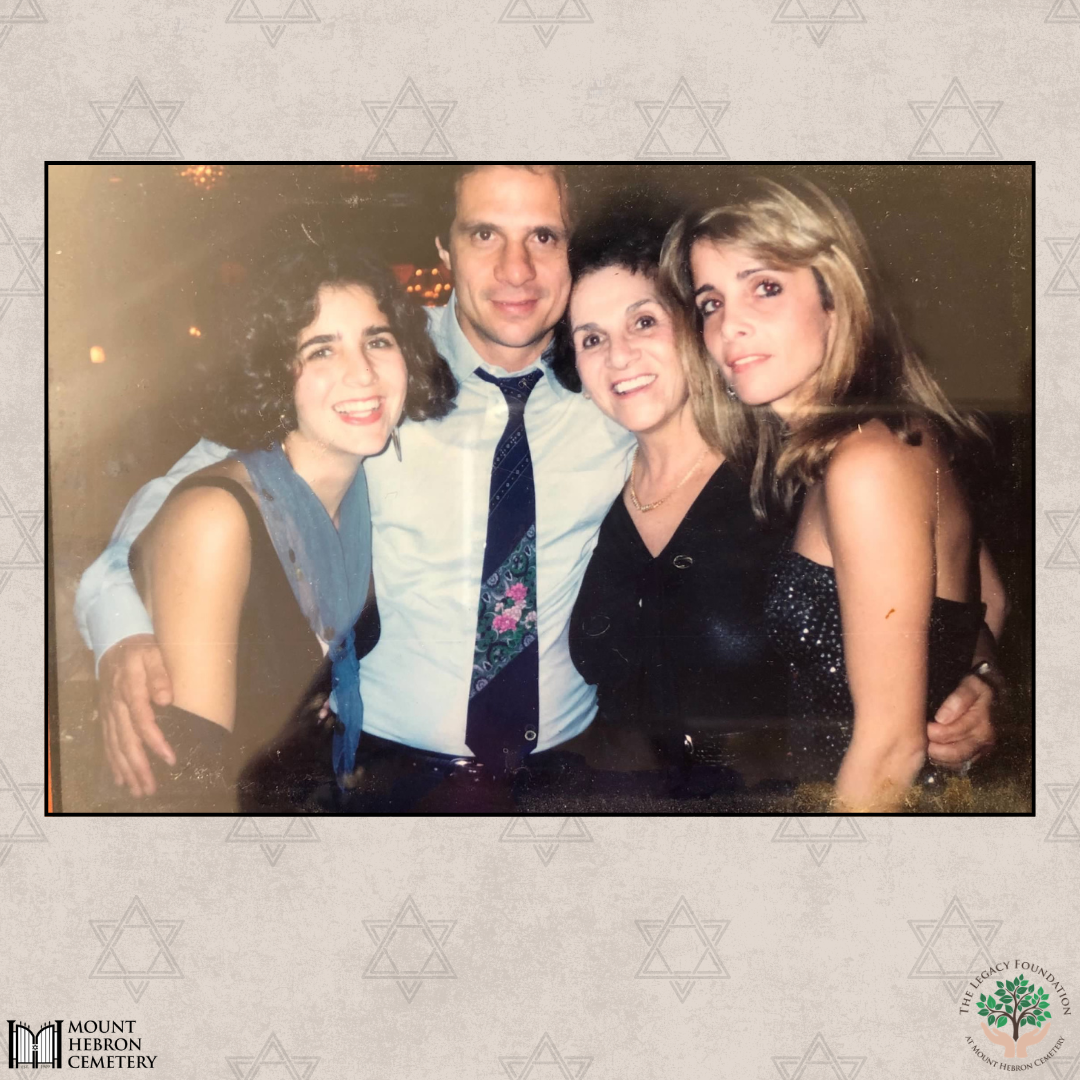
My father was bereft and leaned heavily on me and my siblings. I married two years later, and he walked me down the aisle, having somehow become both my mother and father.
Eventually he found a way forward. His friend had asked him to marry his wife’s cousin, who was going to be deported to Ukraine. The day they married was the first time they met. He just wanted to help out. Before long, they started dating; soon she moved into his house and they became a couple. They were married for ten years.
In 2010, at 85, my father died following a short illness. I was lucky he got to know my children. My mother missed out on that part of my life. They had nine grandchildren.
My parents are buried side by side.
The missing never goes away. I miss everything about them, but especially their knowledge and their laughter, their joie de vivre. I have my father’s pipes and guitar and my mother’s framed diplomas, and I have all their books.
~Written by Leslie Lisbona