Story Summary:
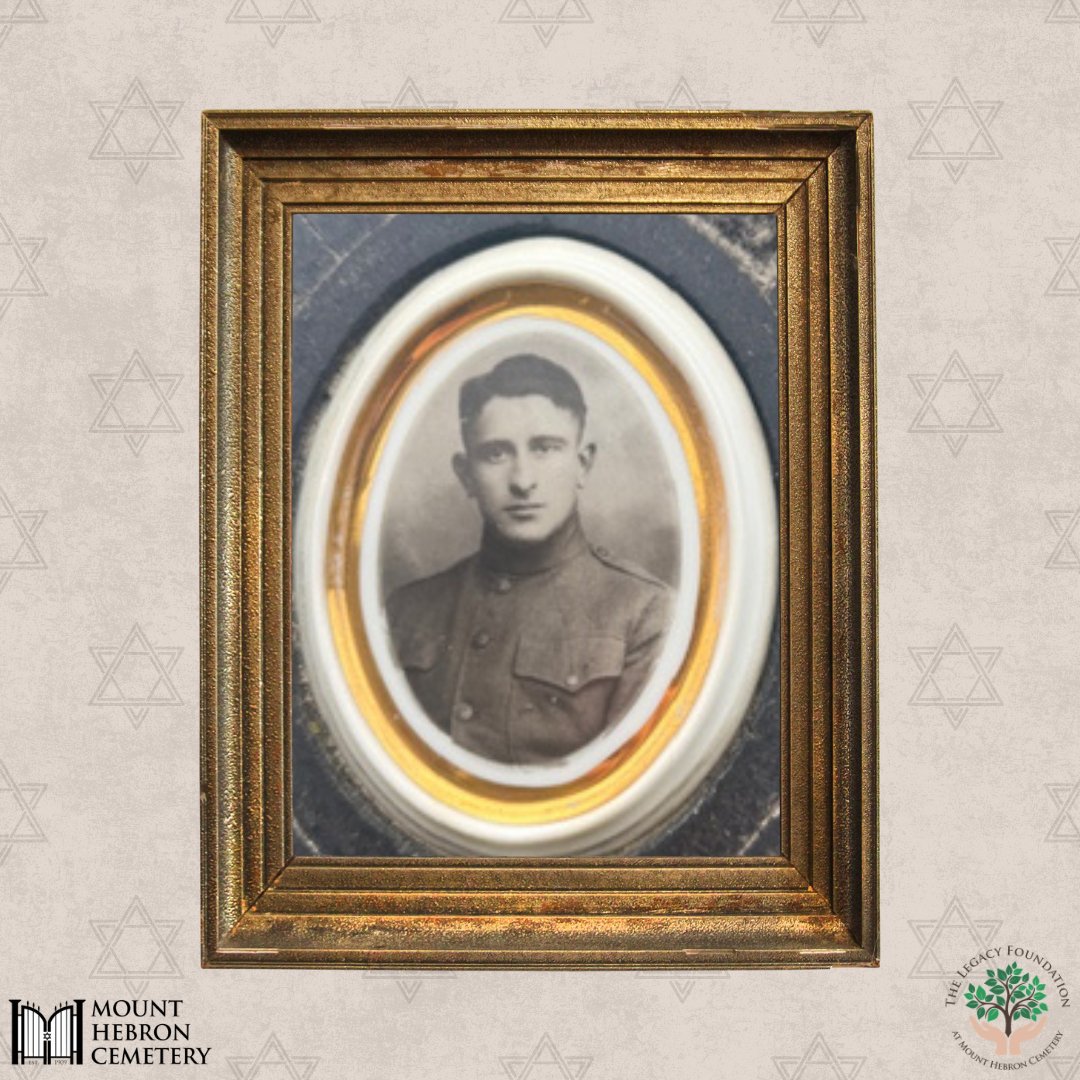
The Progressive Kovler Young Men's society was organized in November of 1908, established by immigrants hailing from Kovel, Ukraine. Kovel was first mentioned as a city in 1308, with Jews following shortly after in the 1518. Despite various hardship, including the Chmielnicki massacres, multiple town fires, and heavy taxes, the Jewish community maintained their cultural, religious, and educational standing in society. By 1939, there were about 17,000 Jews in Kovel. On June 28th, 1941, Kovel was captured by the German troops. When Soviet forces arrived in July of 1944, about 40 had survived. By 2001, there were no Jews residing in Kovel. Their memories live on. ~Blog by Olivia Scanlon
Progressive Kovler Young Men Blog
The Progressive Kovler Young Men’s society was organized in November of 1908, established by immigrants hailing from Kovel, Ukraine.
Kovel was first mentioned as a city in 1308, with Jews following shortly after in the 1518. The town’s privileges were confirmed by Queen Bona in 1536, but heavy taxes were imposed on Kovel’s Jews. Conditions in the 1600s were difficult, seeing that Kovel and the areas surrounding it were exposed to the Chmielnicki massacres. Despite this, the community maintained their cultural, religious, and educational standing in society. Kovel’s first synagogue was built in 1660, but was destroyed by a fire in 1774. By 1864, the town had four synagogues. This increased to thirteen by the early 20th century (Great Synagogue was built in 1886).
There were two cemeteries in Kovel, neither of which survived past Soviet liquidation in the 1970s. The foundations of both cemeteries date to the middle or late 19th century. The Jews of Kovel maintained the cemeteries, in addition to a Jewish hospital, a Talmud Torah, five private colleges (3 for men and 2 for women), and multiple Zionist organizations, including Hovevei Zion and the Bund. The Jews of Kovel mainly worked in various industries, including breweries, leather plants, construction, and craftsmen workshops. There were also two Yiddish weeklies in circulation. During the interwar period, the Jews of Kovel were mostly merchants and artisans.
By 1939, there were about 17,000 Jews in Kovel. On June 28th, 1941, Kovel was captured by the German troops. Within the month, about 1000 had been killed. A Judenrat was established as well. On May 21st, 1942, two ghettos were established. One ghetto held about 8000 people who were considered fit to work, and the other held about 6000 who were deemed unfit to work. From July 2nd-4th, 1942, the second ghetto was liquidated. On August 19th, 1942, the Nazis began the liquidation of the first ghetto. When Soviet forces arrived in July of 1944, about 40 had survived.
https://archives.cjh.org/repositories/7/resources/21699
https://kehilalinks.jewishgen.org/kovel/kovelhistory.htm
https://shtetlroutes.eu/en/kovel-putvnik/
https://www.esjf-cemeteries.org/survey/kovel-new-jewish-cemetery/
https://www.jewishgen.org/ukraine/OTW_Kovel.asp
https://cja.huji.ac.il/hmm/browser.php?id=55127&mode=set
https://ukrainianjewishencounter.org/en/life-and-death-of-the-jewish-communities-of-western-volyn-pt-2/
https://myshtetl.org/volyn/kovel.html
https://www.stiftung-denkmal.de/en/publikation/kovel-connecting-memory
~Blog by Olivia Scanlon