Story Summary:
The 1st Olkeniker Sick & Benevolent Society, formed by Jewish immigrants from Olkieniki (now Valkininkai, Lithuania), exemplifies how Eastern European Jews built mutual aid networks in America to support one another through illness, death, and displacement. Rooted in traditions of communal care, these societies provided burial arrangements and a sense of continuity for those far from their ancestral homes. After the Holocaust destroyed the Jewish population of Valkininkai, the society's burial section at Mount Hebron Cemetery became an enduring tribute to a community lost but not forgotten. This legacy reflects the strength of immigrant bonds and the lasting power of remembrance. ~Blog by Deirdre Mooney Poulos
Buried Together, Remembered Forever:
The Story of the 1st Olkeniker Society and Its Enduring Legacy
Long before Holocaust memorials and Ellis Island museums began to tell the story of Jewish immigration to America, it was burial societies like the 1st Olkeniker Sick & Benevolent Society that quietly safeguarded the legacies of towns and people lost to time. In the quiet corners of Mount Hebron Cemetery in Queens, New York, rest the names and memories of immigrants whose lives and communities were upended by war, persecution, and the search for a better future. Among them is the 1st Olkeniker Sick & Benevolent Society, a burial society formed by Jewish immigrants from Olkieniki, now Valkininkai, Lithuania. This small, tight-knit group of Eastern European Jews carried with them not only the trauma of displacement but also the strength of community. Their society stands as a testament to the resilience of immigrants and the determination to preserve cultural identity even in the face of overwhelming loss.
Olkieniki was a shtetl, a small Jewish town nestled in what was once part of the Russian Empire and is now within the borders of Lithuania. Like many such towns across Eastern Europe, it had a vibrant Jewish life that included synagogues, religious schools, study circles, and charitable organizations. Daily life was filled with ritual, commerce, education, and the rhythms of Jewish tradition. By the early 20th century, however, increasing waves of emigration were triggered by growing antisemitism, pogroms, economic hardship, and mandatory conscription. Jews from Olkieniki, like so many others, looked to America as a place of refuge and possibility.
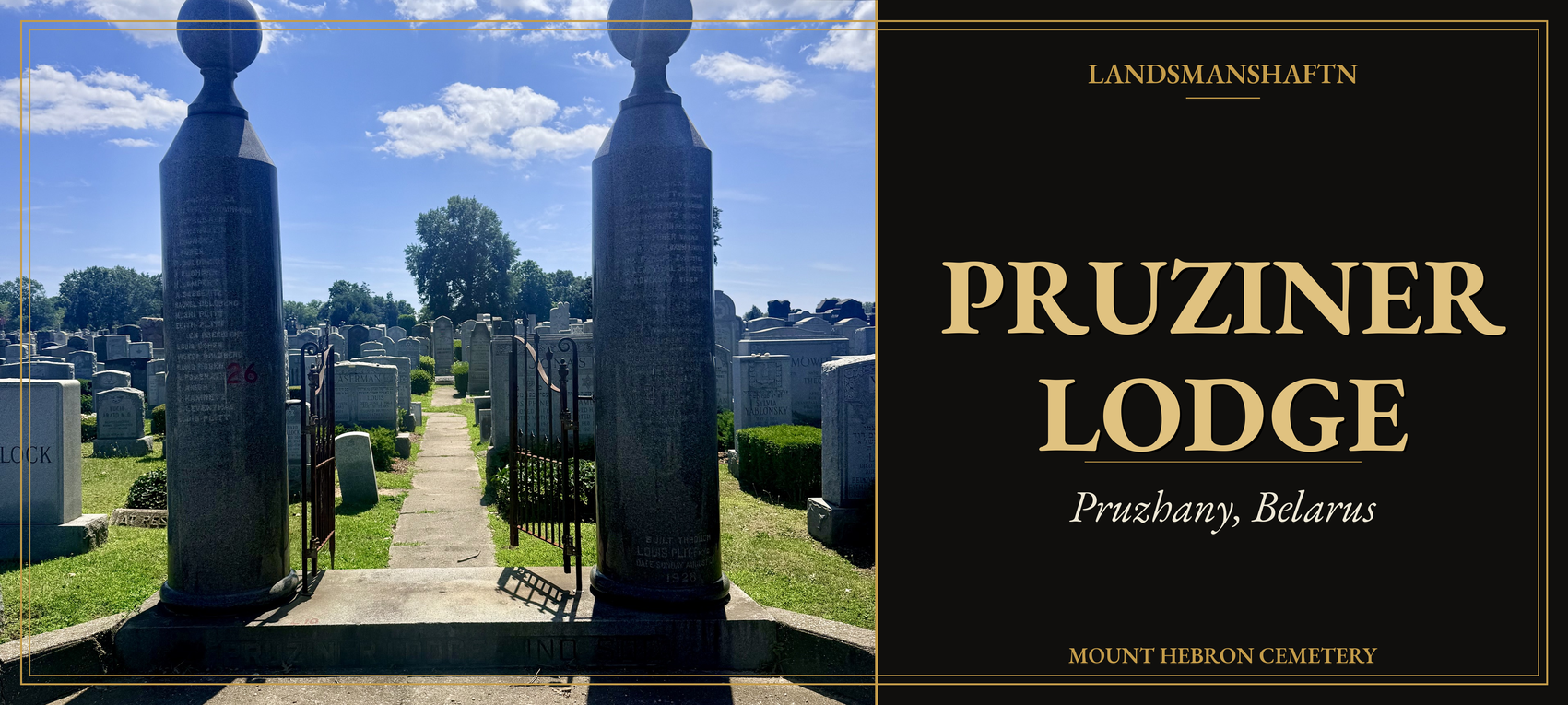
Upon arriving in New York, immigrants from Olkieniki formed a landsmanshaft—a mutual aid society based on their town of origin. These societies offered more than companionship. They were essential survival networks that provided sick benefits, help with burial expenses, and a place to gather with others who shared the same language, customs, and memories. The 1st Olkeniker Sick & Benevolent Society was one such organization, built on the values of mutual care, responsibility, and remembrance. For the members who joined, it offered both emotional and practical support in a new and often difficult environment.
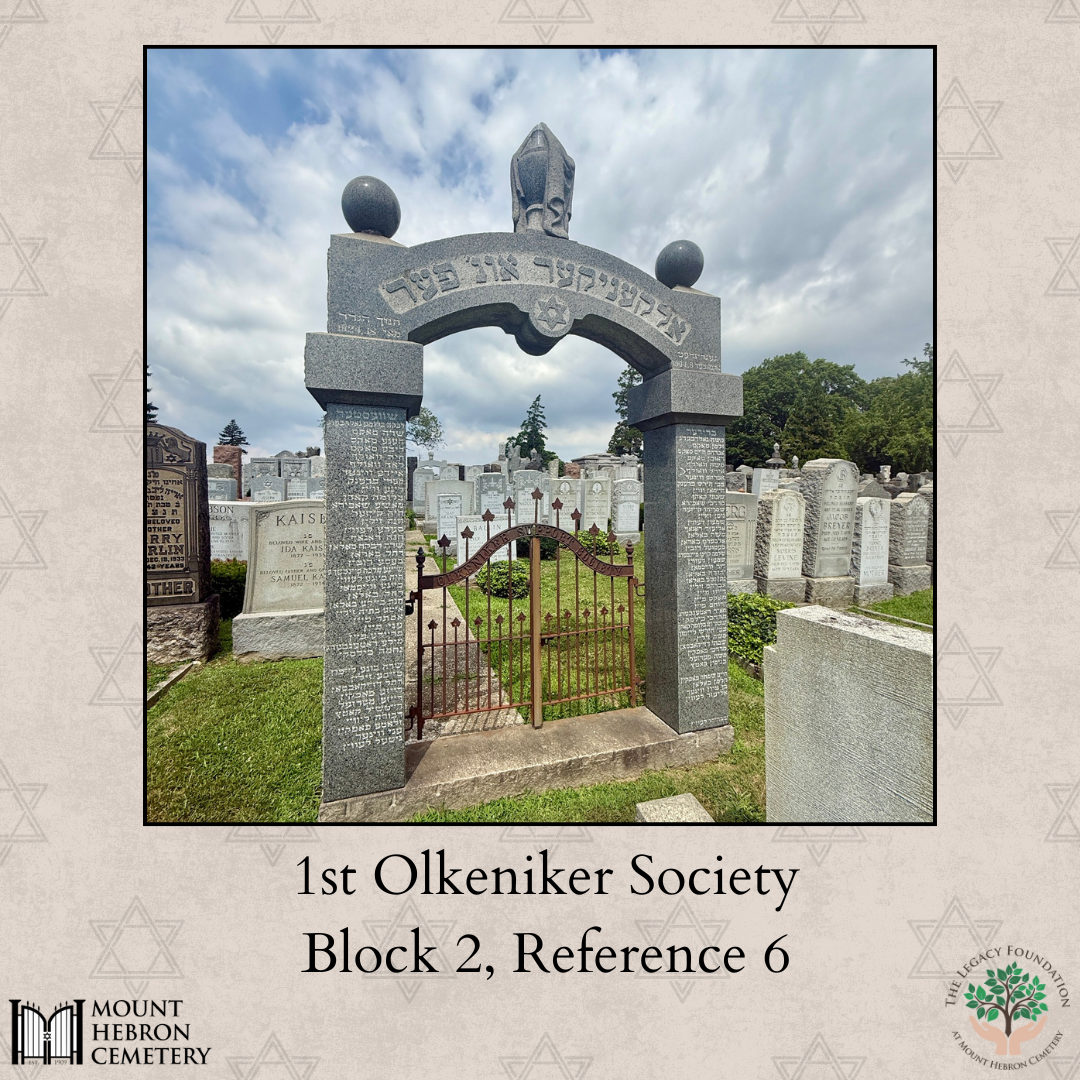
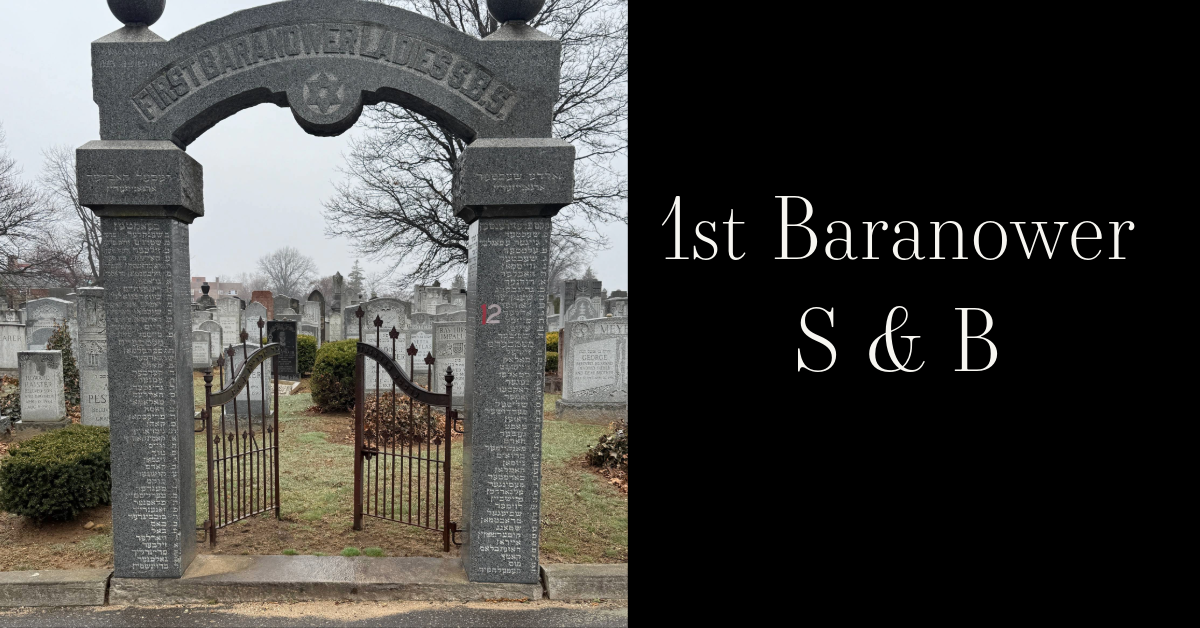
By securing a dedicated burial section at Mount Hebron Cemetery, the society provided its members with the assurance of being laid to rest among their own. These shared burial plots became more than places of interment. They symbolized continuity in the midst of rupture, recreating a sense of community grounded in shared geography and experience. In this way, the 1st Olkeniker Society became a bridge between the old world and the new, offering dignity in life and in death.
The importance of these societies took on even greater meaning after World War II. During the summer and autumn of 1941, nearly the entire Jewish population of Valkininkai was annihilated in mass shootings carried out by Nazi Einsatzgruppen and local collaborators. Synagogues were burned, Torah scrolls desecrated, and families murdered in forests just beyond the town. Like so many Eastern European Jewish communities, Olkieniki ceased to exist in any physical sense. Its Jewish residents were killed, its cemeteries desecrated, and its memory nearly erased.
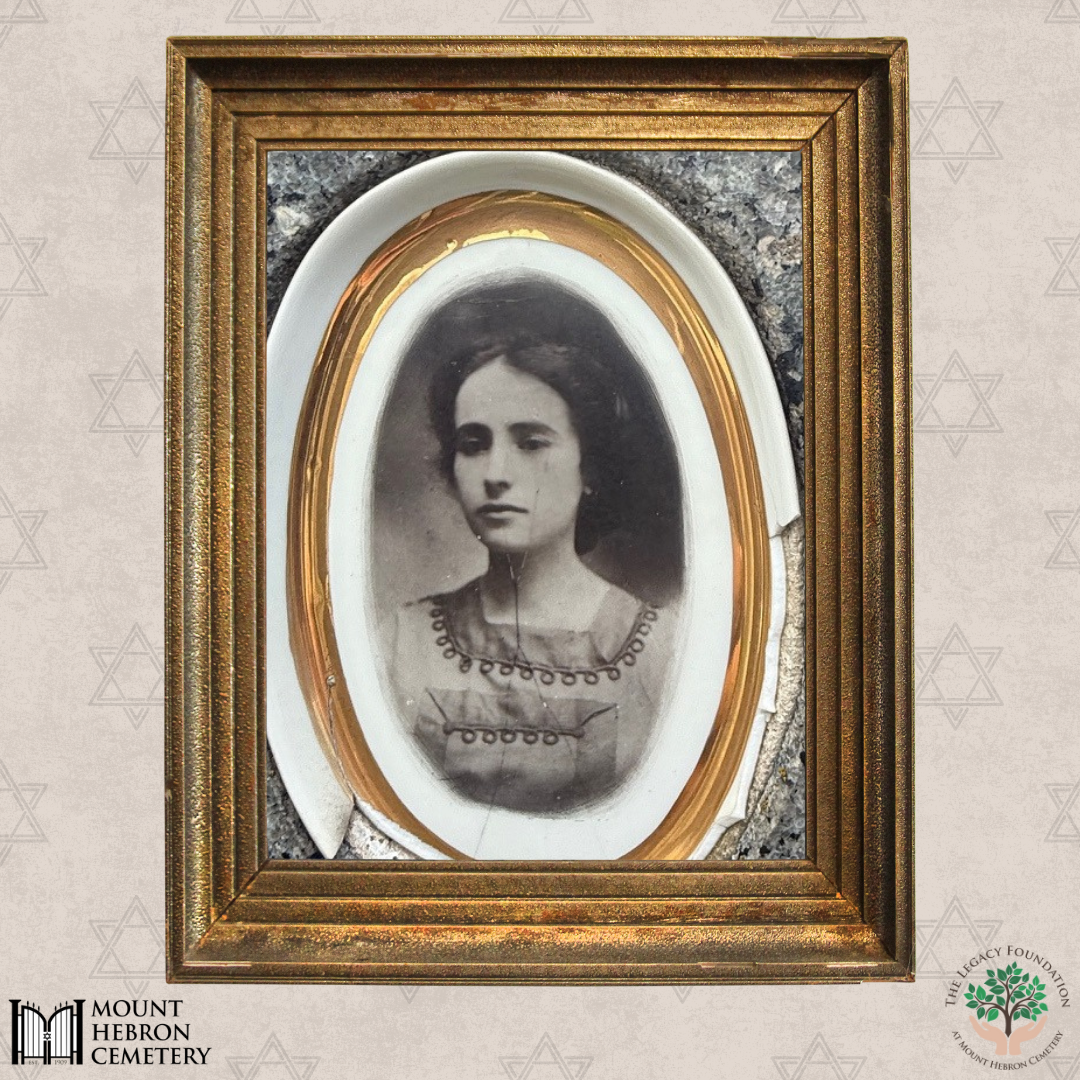
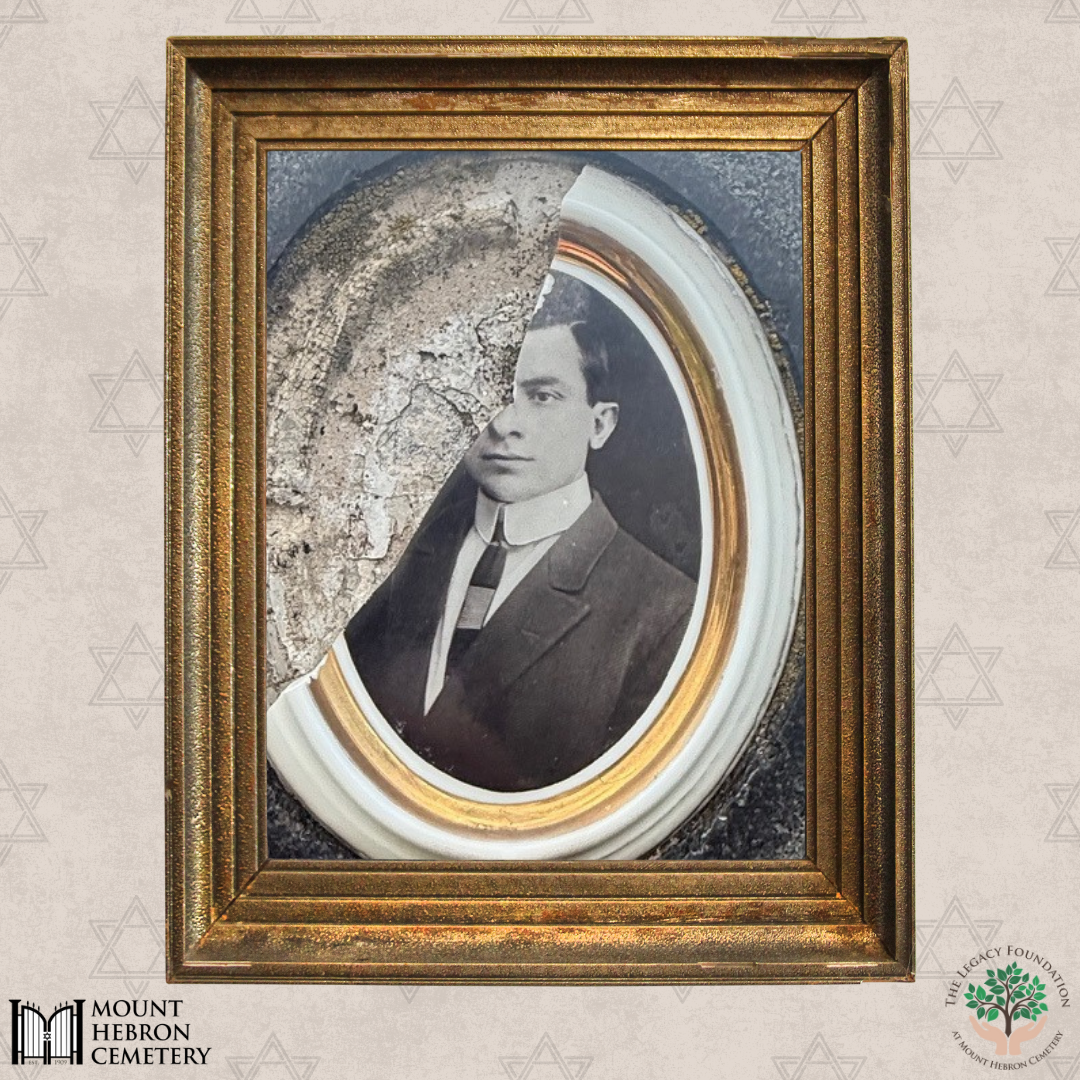
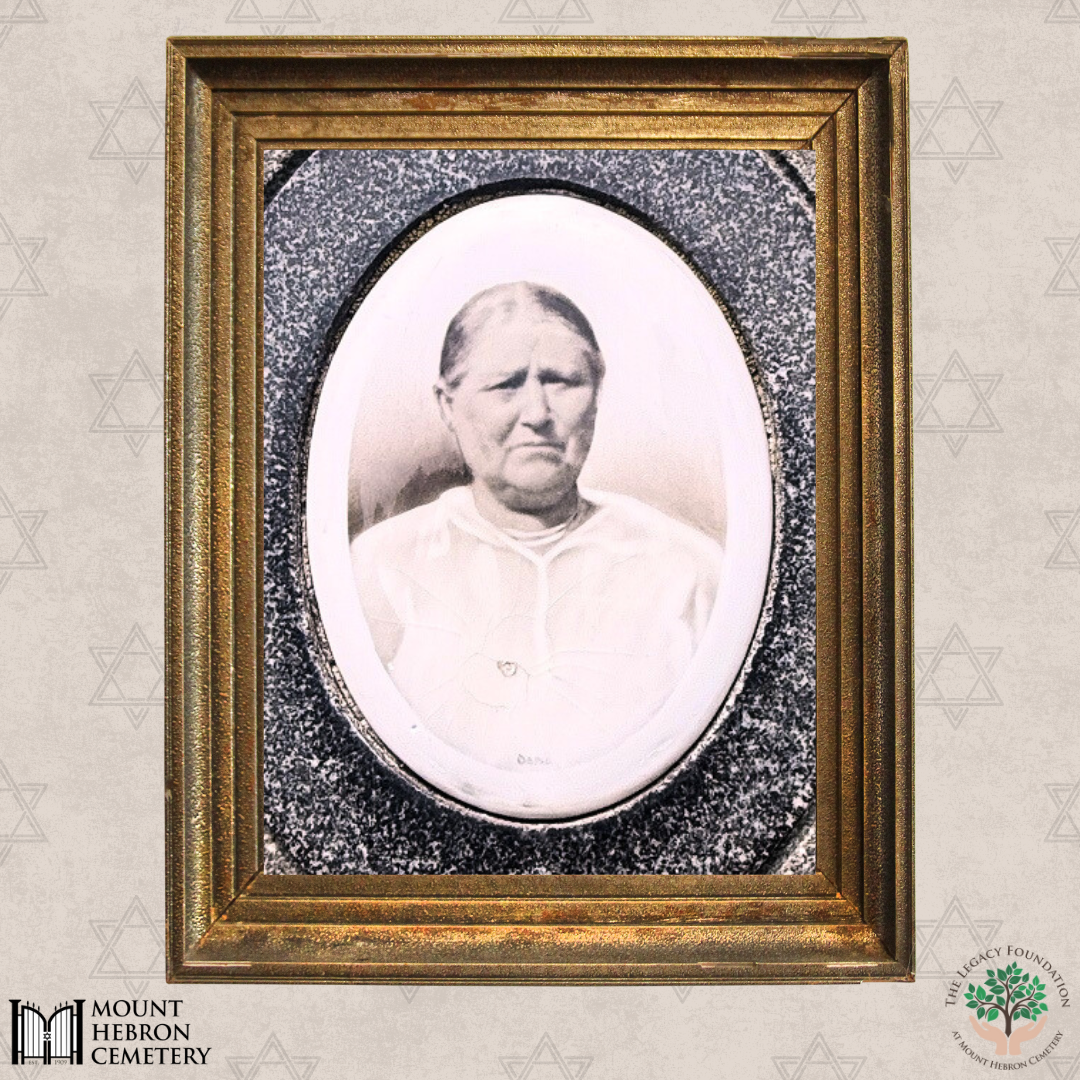
But in Queens, the burial plots of the 1st Olkeniker Sick & Benevolent Society endure. Headstones inscribed with Yiddish, Hebrew, and English offer a tangible link to the past. Some mark the resting places of those who left before the Holocaust, others may stand as memorials to loved ones who never escaped. In their stillness, these stones resist forgetting. They serve as quiet monuments to a destroyed community and as declarations of resilience and remembrance.
Today, few living members remain to carry on the active traditions of the 1st Olkeniker Society. Yet their legacy lives on through those who research and preserve Jewish immigrant history. The records and cemetery plots maintained by societies like this offer a deeply personal window into how Jews navigated displacement, recreated community, and honored their dead. They show us that memory can be sustained not only through formal institutions, but through the care and dedication of ordinary people determined to keep their roots alive.
In preserving the memory of the 1st Olkeniker Sick & Benevolent Society, we preserve more than just a chapter of Jewish history. We uphold a lesson in endurance, collective care, and cultural identity. These quiet rows of gravestones in a Queens cemetery speak to the power of community across time and space—a lesson as vital today as it was more than a century ago.
~ Blog by Deirdre Poulos
Work Cited:
JewishGen:
https://www.jewishgen.org/
YIVO Encyclopedia of Jews in Eastern Europe:
https://yivoencyclopedia.org/
United States Holocaust Memorial Museum:
https://www.ushmm.org/
Museum of Jewish Heritage – A Living Memorial to the Holocaust: https://mjhnyc.org/
New York Public Library – Jewish Division: https://www.nypl.org/locations/jewish-division
Yad Vashem:
https://www.yadvashem.org/