Story Summary:
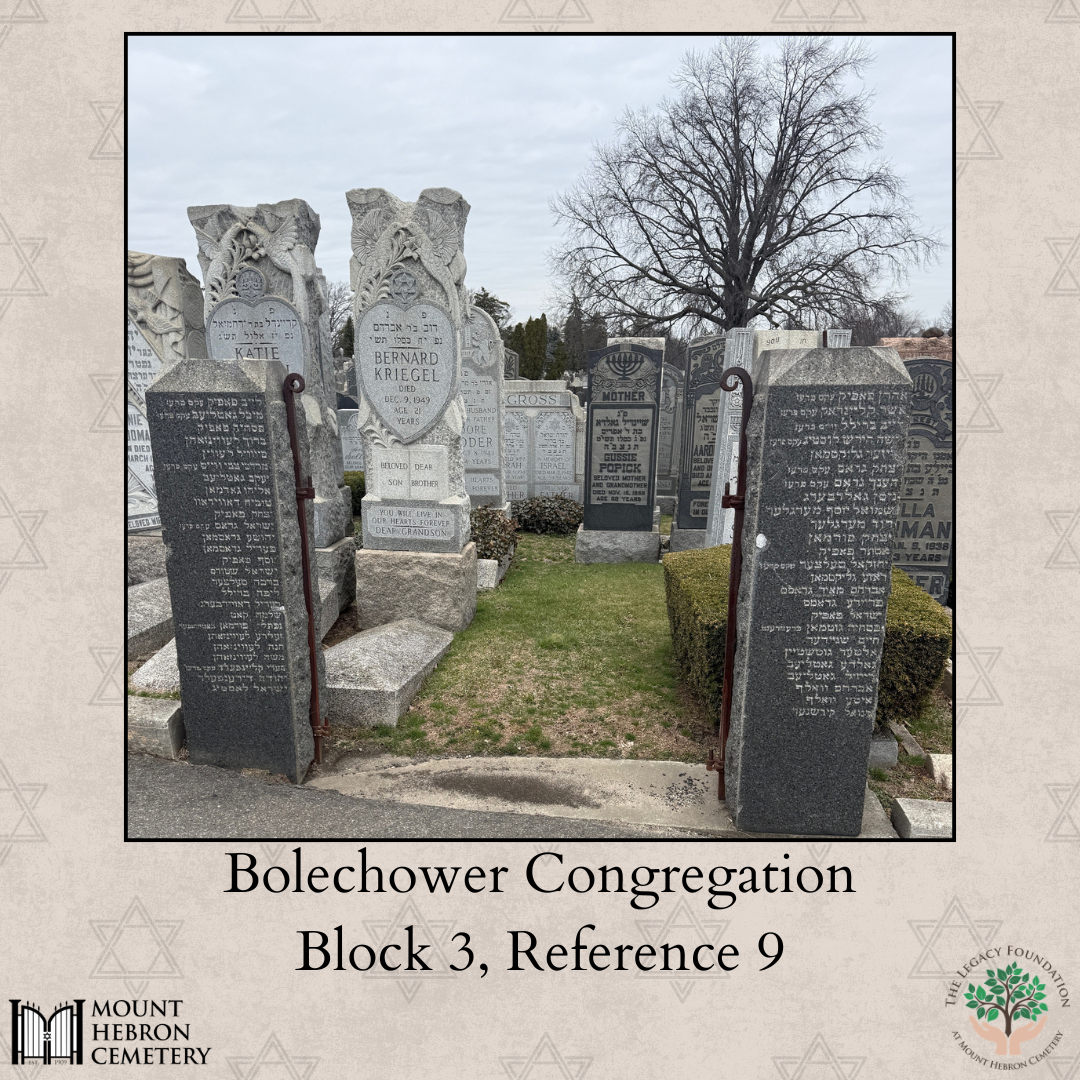
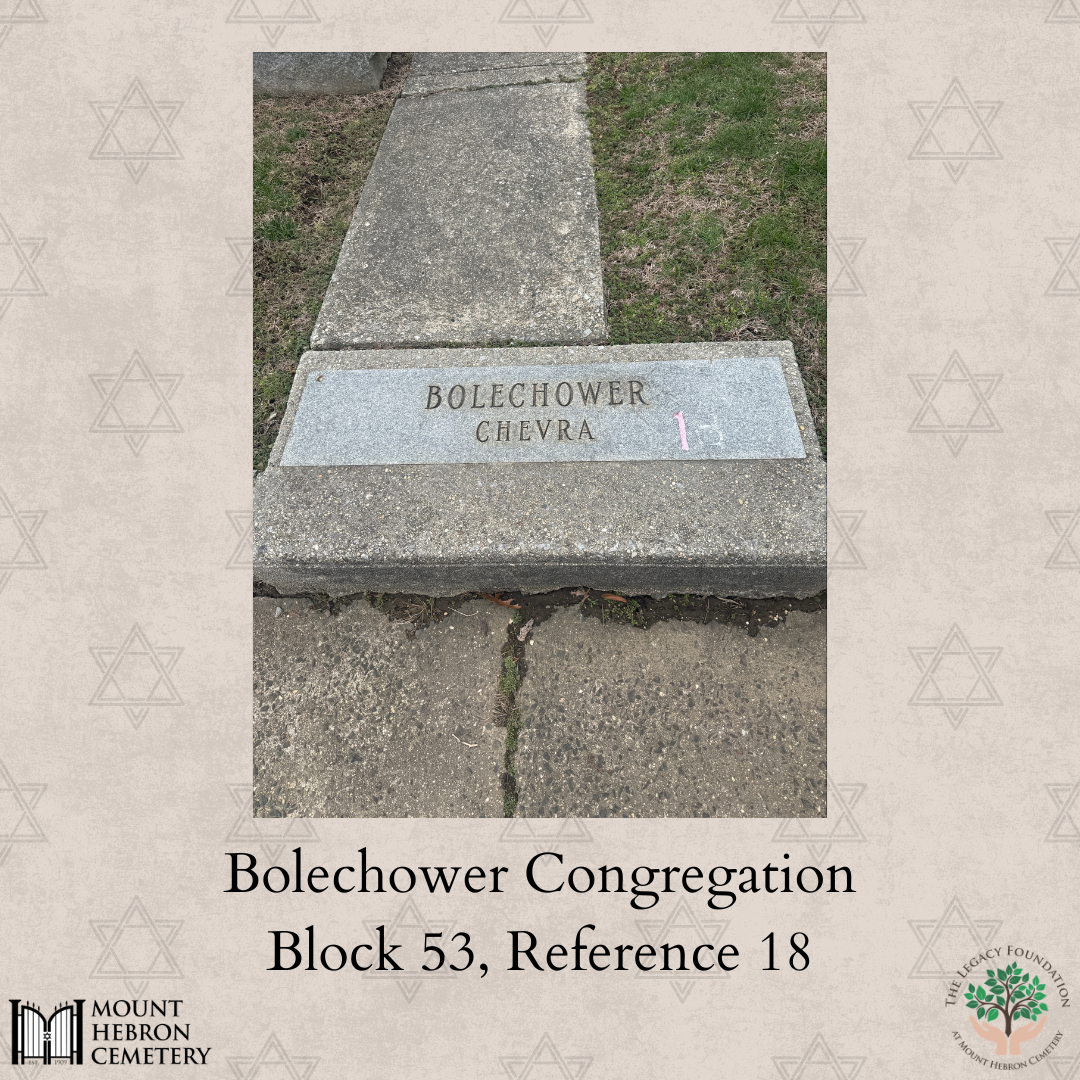
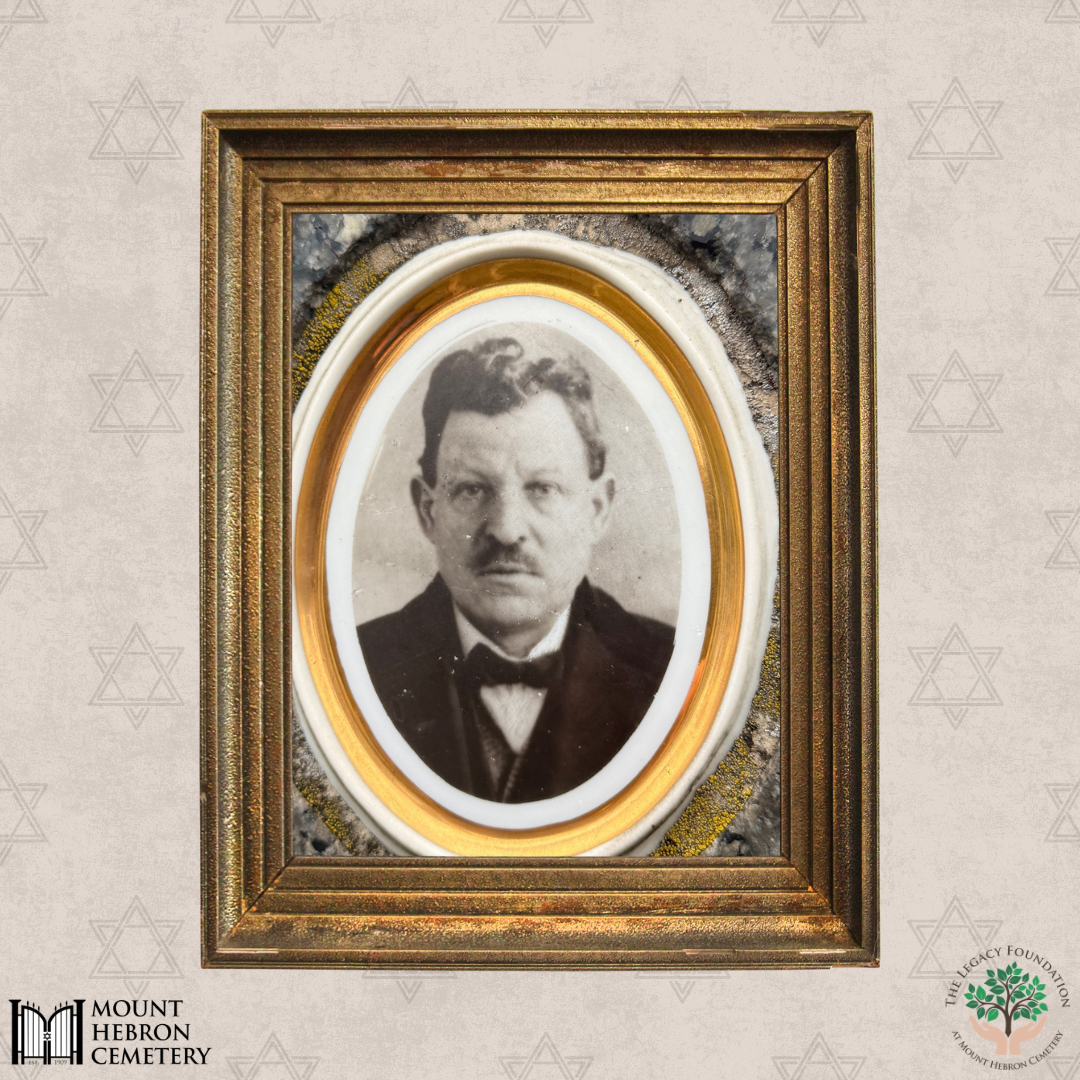
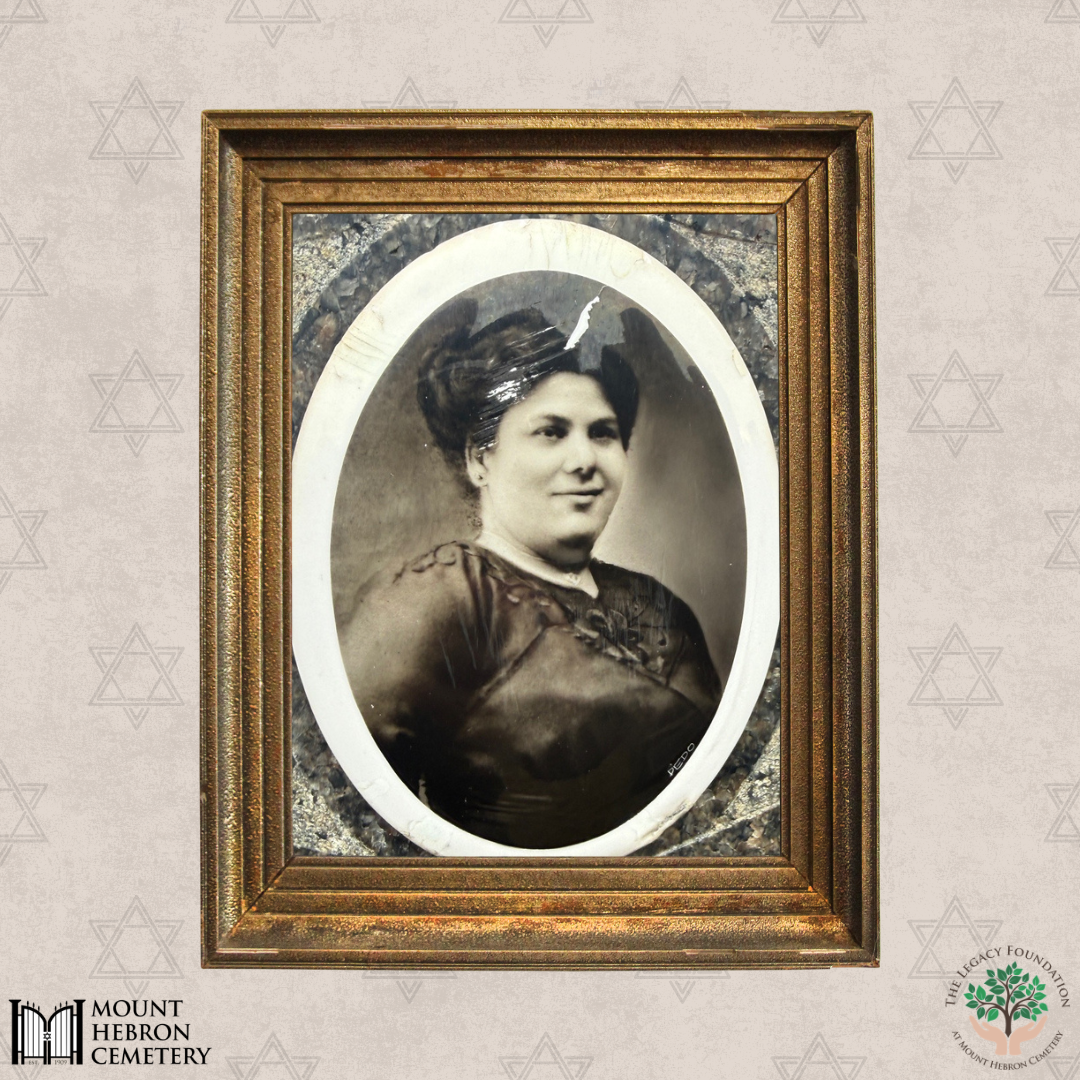
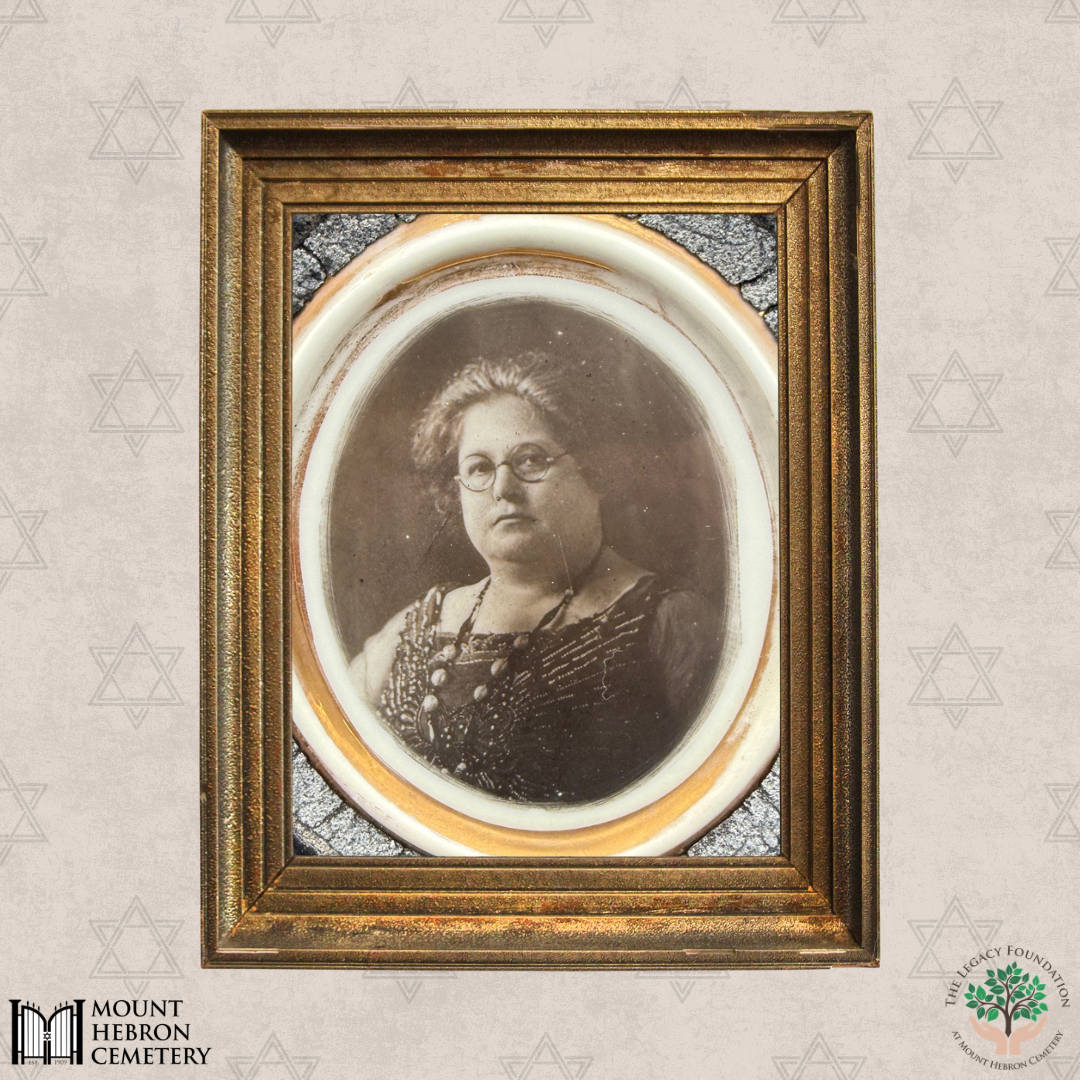
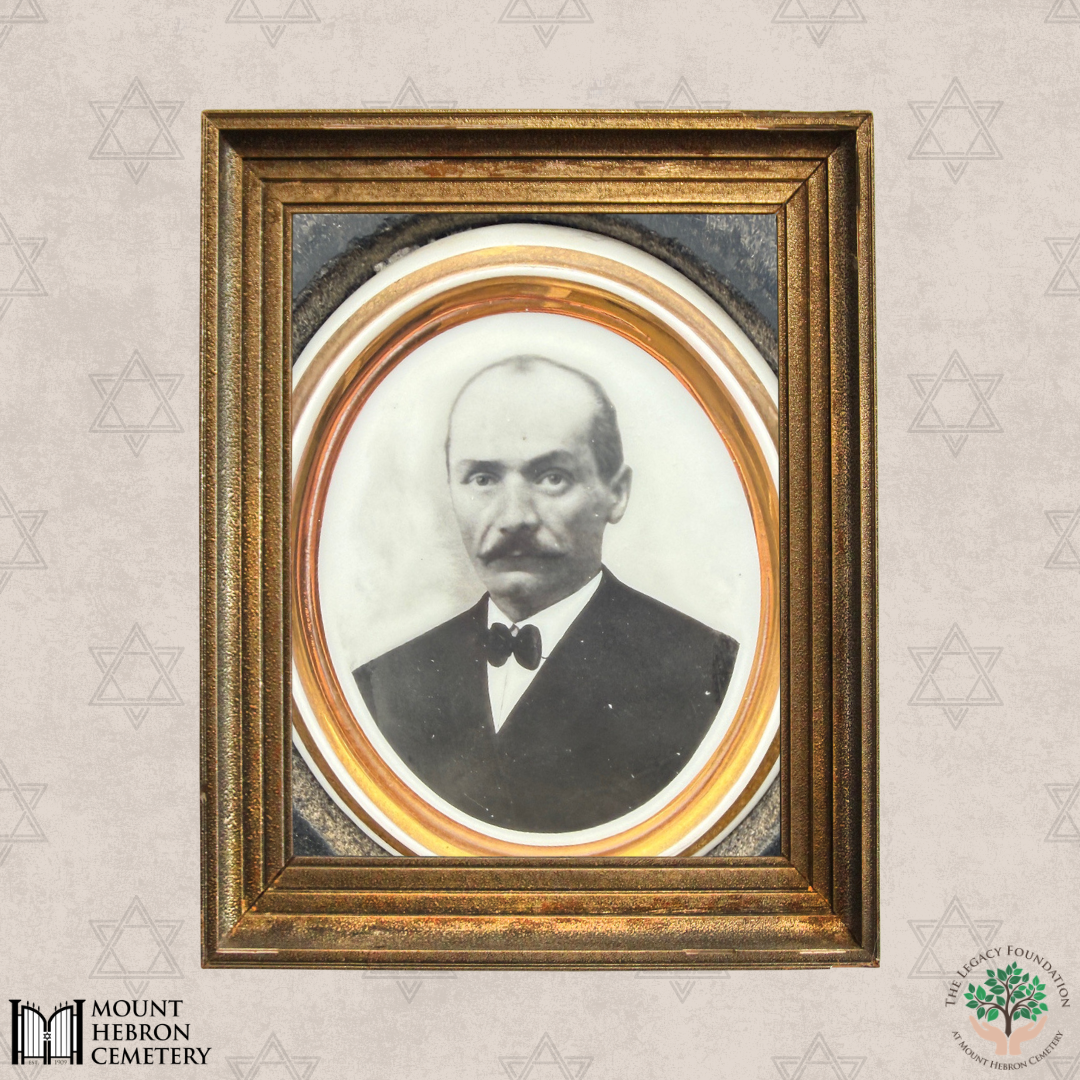
The Boshow Arbeitar society was founded by immigrants hailing from Bolekhiv (Polish: Bolechow), Ukraine. Initial Jewish settlement dates to before the 17th century. In 1612, the owner and founder of the city, Mykola Gedzimsky, gave land privileges to the Jewish community to construct a cemetery and synagogue, and permission to participate in the municipal elections. By the 18th century, the Jewish community of Bolekhiv had acquired autonomous status. The Jews of Bolekhiv worked mostly as merchants, with a majority of their income come from salt trading. The Jews of Bolekhiv perished in the Holocaust following German occupation in August of 1941. Their memories live on. ~Blog by Olivia Scanlon
Bolshow Arbeitar
The Boshow Arbeitar society was founded by immigrants hailing from Bolekhiv (Polish: Bolechow), Ukraine. The town was first mentioned around 1371, with initial Jewish settlement dating from before the 17th century. In 1601, there was a Jewish quarter located in the Southeastern part of the city. In 1612, the owner and founder of the city, Mykola Gedzimsky, gave land privileges to the Jewish community to construct a cemetery and synagogue, and permission to participate in the municipal elections. The community’s first synagogue was built in 1670. The cemetery consists of almost 3000 stones, with the oldest dating to 1648. These privileges – in addition to personal privileges – were confirmed by King Zygmunt III Wasa. By the 18th century, the Jewish community of Bolekhiv had acquired autonomous status. In 1765, there were about 1300 Jews in Bolekhiv. This number grew to about 2700 by 1859, and over 3300 by 1890. Due to migration, the number decreased during WWI to just over 3000 people and increased slightly during the interwar period.
During the 18th century, the Jews of Bolekhiv worked mostly as merchants, with a majority of their income come from salt trading. The salt was usually sold for cash and exchanged for other products, such as grains. Salt was also sold at fairs in Brody and Lviv. Trades also included Hungarian wines and cattle. Industrialization brought timber mills, tanneries, and furniture, soap, and candle factories. Under the ruling of Emperor Joseph II, the government formed the “New Babylon” in an attempt to increase land management among the Jews. The project granted ten families each twelve acres of land, with the farmers paying for the land and equipment, and the government providing construction materials. Shortly after, however, the project was declared bankrupt because the land was infertile and unable to produce any revenue. The late 18th century coincided with the Jewish Enlightenment period, in addition to Jewish assimilation by the Austrian government (prompted the establishment of German schools; Jewish children could not attend heder without a certificate showing confirmation of education in the German school). During the late 19th century, a number of Zionist organizations were formed, including the Tikwat Izrael, and the youth Zionist group, Tzeirei Zion. A Jewish bank was also formed with financial aid from the American Joint Distribution Committee.
During World War I, many emigrated. Most Jews continued to work as merchants and factory workers during throughout the interwar period. During World War II, however, all Jewish institutions were liquidated while under Soviet occupation. Slovak and Hungarian armies entered the city on July 3rd, 1941, carrying out the July massacre. In August, German control over the city was established. A judenrat was formed, headed by Ruffenzaim. The first aktion occurred on October 28th-29th, 1941, with about 750 people killed and those remaining transferred to the Bolechiv ghetto. In April 1942, a second aktion was carried out, with about 450 brought to the community’s Jewish cemetery and killed. In August of the same year, Jews from surrounding areas, including Wełdzirz, Wygoda, and Wyszków were brought to Bolechiv. A third aktion was carried out from September 3rd-5th, 1942, where a number of Jews were transported to Stryi and later, to the Belzhka death camp. At this time, there were about 2500 Jews remaining. In October, November, and December of the same year, there was another relocation to Stryi and one to Koshary, leaving just over 1700 Jews in the city. A fourth and final aktion was carried out in July 1942, killing both the Jews of Bolechiv and Stryi. Following Soviet conquest in 1944, Bolechiv was integrated with the Dolyna District. Only about 48 Jews survived. Today, there are no Jews in Bolechiv. In 1990, a monument was arranged to be erected for the WWII victims.
https://shtetlroutes.eu/en/bolekhiv-cultural-heritage-card/
https://jgaliciabukovina.net/110717/community/bolechow
https://bolechow.org/
https://www.jewishvirtuallibrary.org/bolekhov
https://muse.jhu.edu/document/2751
https://cities4cities.eu/community/bolekhiv-territorial-community/
~Blog by Olivia Scanlon