Story Summary:
This blog traces the history of Jews in Bessarabia, from their early communal life in villages and towns through periods of restriction, cultural growth, and violent upheaval. It highlights key events such as the 1903 Kishinev Pogrom and the Holocaust, which led to mass emigration and the destruction of much of Jewish life in the region. Many who left rebuilt their lives in the United States, forming landsmanshaftn and mutual aid societies that preserved their traditions and supported their communities. The piece reflects on a legacy of resilience, loss, and continuity that endures through descendants and cultural memory today.~Blog by Deirdre Mooney Poulos
Roots in Bessarabia, Branches in America: The Journey of a People
The Jews of Bessarabia lived for centuries in a land between two rivers, the Prut and the Dniester. It was a region that changed rulers many times, caught between great empires, but through all the upheaval Jewish families-built lives that were simple, faithful, and full of community. They traded goods, tended small shops, and raised children who went to cheder and later to gymnasium. In the early years of the nineteenth century there were only a few thousand Jewish families scattered through villages and market towns. They grew grain, sold cloth, baked bread, and carried their wares across muddy roads and bustling fairs. With time their numbers increased. By the end of the century there were Jewish tailors, carpenters, teachers, and merchants in nearly every town, from Chișinău to Soroka to Bălți.
Life under the Tsar was never easy. There were laws that kept Jews from owning land or entering certain trades. There were whispers and insults, taxes that fell more heavily on them than on others, and officials who could make life miserable with the stroke of a pen. Yet even under such pressure the Jews of Bessarabia built a rich and enduring culture. There were yeshivot, synagogues, and study houses where the sound of Torah filled the air. In the evenings families gathered by lamplight, mothers telling stories in Yiddish while fathers debated the latest news from Odessa or Kishinev. In the 1870s Jewish children filled classrooms, studying both Hebrew and Russian, trying to find a place in a world that often pushed them away. By 1897 there were more than two hundred thousand Jews in Bessarabia, more than one in every ten people.
Then came the violence that would change everything. In the spring of 1903, the Kishinev Pogrom swept through the capital of Bessarabia. For two days mobs rampaged through the streets, smashing windows, looting homes, and attacking anyone they found. By the time the soldiers restored order, dozens of Jews lay dead and thousands were left homeless. The pogrom shocked not only Bessarabia but the entire Jewish world. Newspapers in Europe and America published the news, and protests erupted from London to New York. The horror convinced many families that they could no longer remain where they were. Some sold what little they had and boarded ships bound for new countries, carrying with them the few belongings they could pack and a longing for peace.
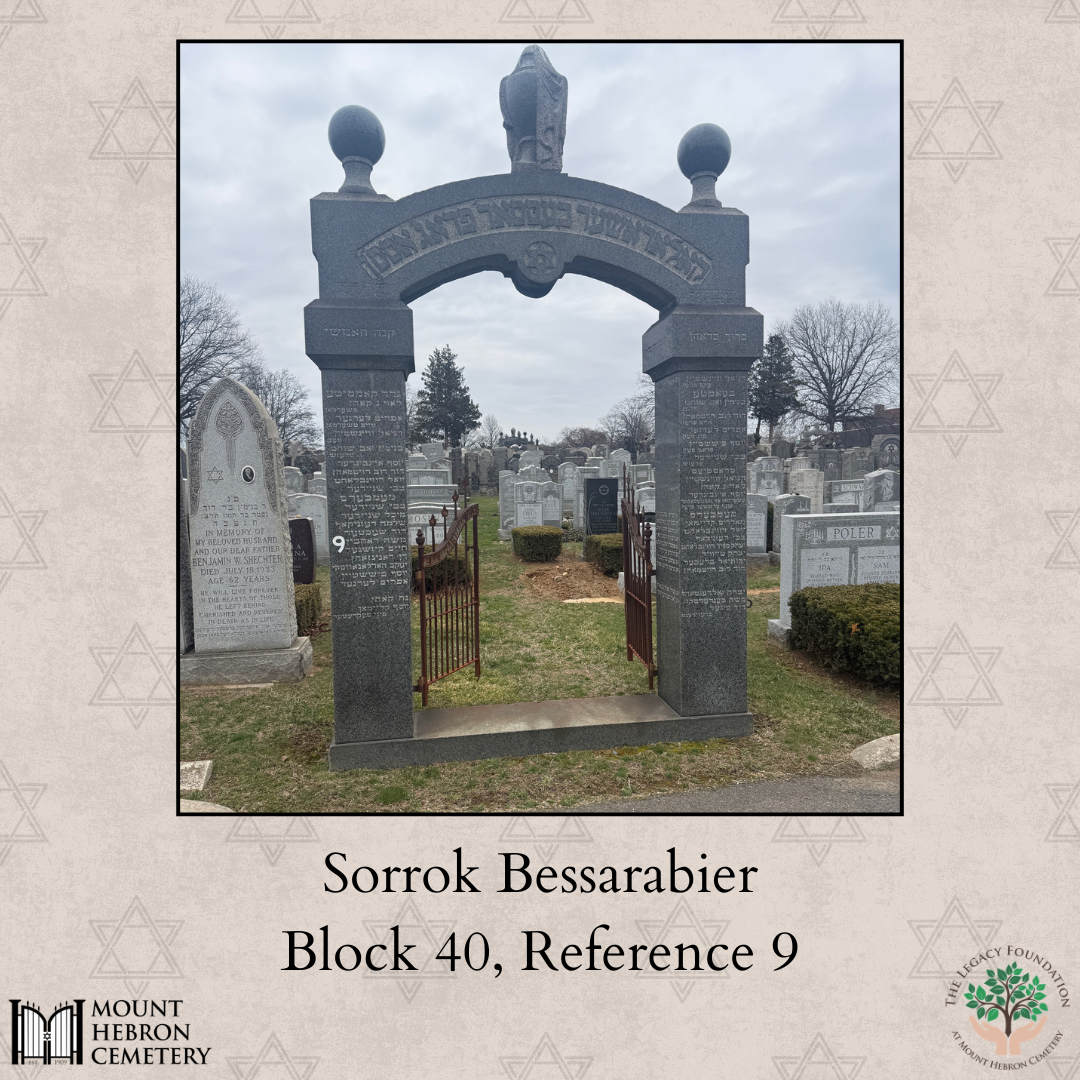
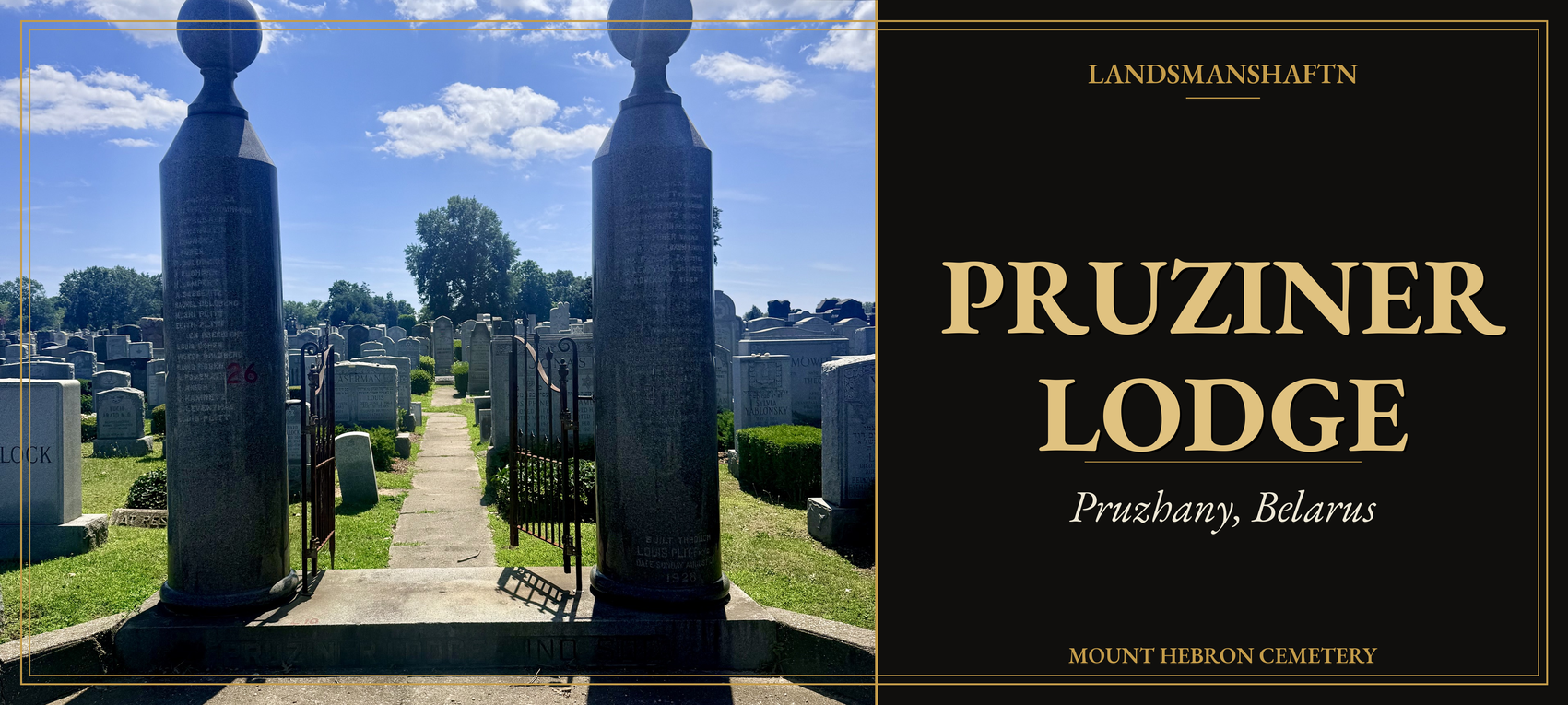
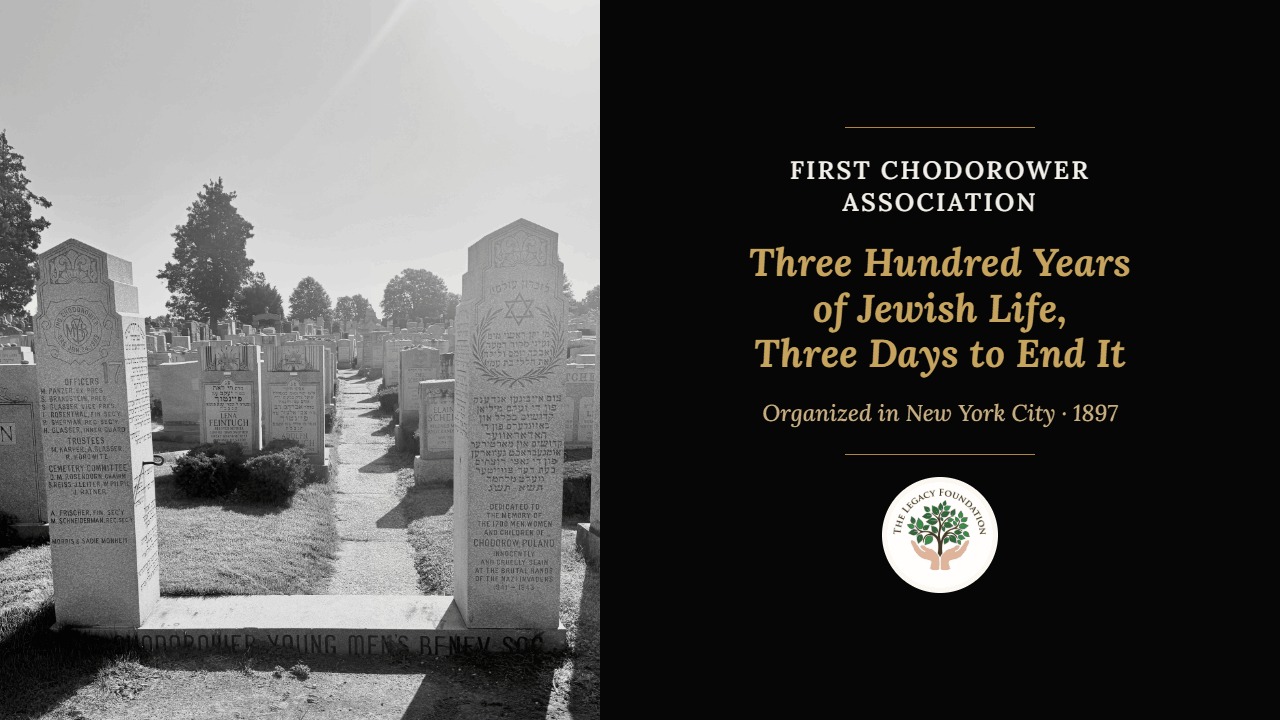
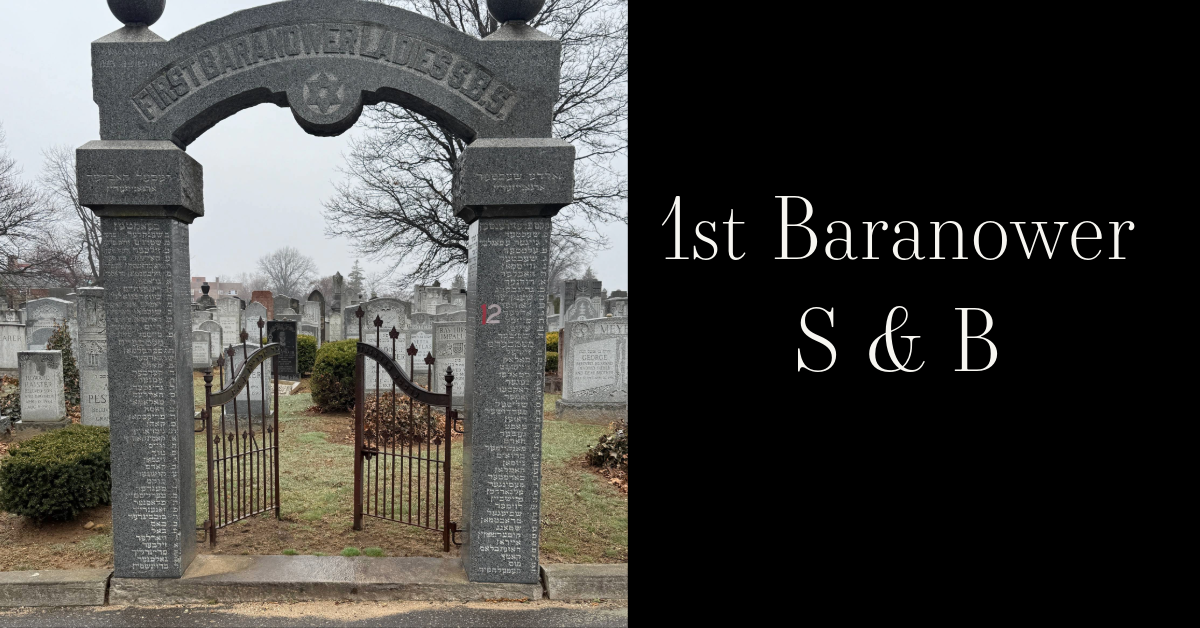
Those who left often landed in New York. There, in tenement neighborhoods like the Lower East Side and Brownsville, they met others who spoke their language and shared their memories. They formed groups called landsmanshaftn, societies of people from the same towns and villages back home. One of the first was the First Soroker Bessarabier Mutual Aid Society, founded in 1897 by immigrants from Soroka. It provided help with medical bills, burial plots, and a sense of belonging in a strange new land. In 1912 another group, the Federation of Bessarabian Jews in America, was created to unite people from all over the province. Its purpose was to encourage brotherhood, offer charity, and help new arrivals adjust to life as Americans. They held dinners, raised funds for schools and synagogues, and sent money back to relatives who had not yet escaped. Others founded the Bessarabier Podolier Benevolent Society, which cared for members in times of need and preserved the old traditions through gatherings and holidays. Through these organizations, the immigrants kept a piece of Bessarabia alive in their new country.
Meanwhile, life in their homeland grew more uncertain. After the First World War, Bessarabia came under Romanian rule. Jewish schools and hospitals reopened, and cultural life returned for a time, but economic hardship and political unrest made survival difficult. Many young people, seeing little future at home, joined their relatives abroad or moved to Palestine to build new lives. Those who stayed hoped that the tide of hatred might finally ebb. It did not.
In 1940 the Soviet Union took control of Bessarabia, but just a year later Romanian and German forces invaded. What followed was one of the darkest chapters in Jewish history. Families were forced from their homes, herded into ghettos, and marched toward the camps in Transnistria. Entire communities vanished. Parents were separated from children, the old from the young. Those who could not walk were shot by the roadside. Others died of hunger or disease in the freezing camps. It is said that more than one hundred thousand Jews from Bessarabia were killed during those years. The survivors who returned after the war found their towns destroyed and their neighbors gone. Synagogues stood in ruins, cemeteries overgrown, and the streets where children once played were silent.
Far away in America, the immigrants who had built new lives could only mourn from a distance. They searched for news of family, but most received none. Some tried to rebuild by keeping their societies active, meeting each year to say Kaddish for the dead and to remember the places that no longer existed. In letters and memoirs, they spoke of cobblestone streets, of market days, of laughter and loss. They carried their Bessarabia with them, in the songs they sang and the foods they cooked, in the stories they told their children about a land between two rivers.
Today the Jewish presence in Bessarabia is a faint echo of what it once was. Only a few thousand Jews remain in Moldova, the modern remnant of that region. Yet the memory of their ancestors endures in the synagogues of Brooklyn, in the cemeteries of Queens, and in the hearts of their descendants across the world. The story of the Jews of Bessarabia is one of faith and endurance, of tragedy and rebirth. They built lives out of hardship, carried their heritage across oceans, and left behind a legacy that still whispers of home.
References
“Bessarabia.” Jewish Virtual Library. https://www.jewishvirtuallibrary.org/bessarabia
“History of the Jews in Bessarabia.” Wikipedia. https://en.wikipedia.org/wiki/History_of_the_Jews_in_Bessarabia
“Kishinev Pogrom.” Wikipedia. https://en.wikipedia.org/wiki/Kishinev_pogrom
“Federation of Bessarabian Jews in America.” JewishGen. https://www.jewishgen.org/Bessarabia/files/projects/17LandsmanshaftenGroups/FederationOfBessarabianJews.pdf
“First Soroker Bessarabier Mutual Aid Society.” JewishGen. https://www.jewishgen.org/Bessarabia/PTM_Article.asp?id=188
“Bessarabier Podolier Benevolent Society.” JewishGen. https://www.jewishgen.org/Bessarabia/PTM_Article.asp?id=133
“Mutual Aid Societies.” New York Heritage Digital Collections. https://nyheritage.org/exhibits/immigration/mutual-aid-societies
~Blog by Deirdre Mooney Poulos