Story Summary:
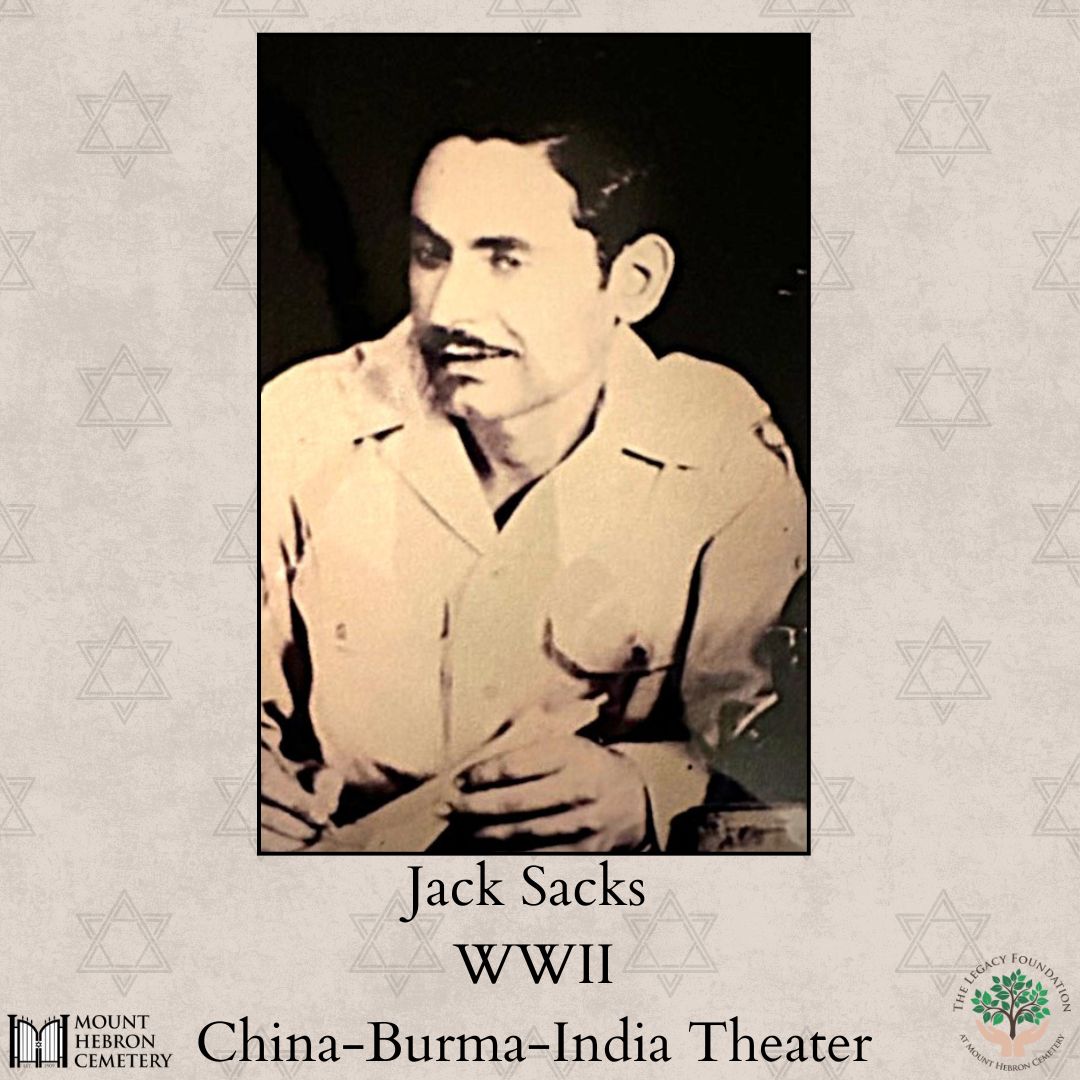
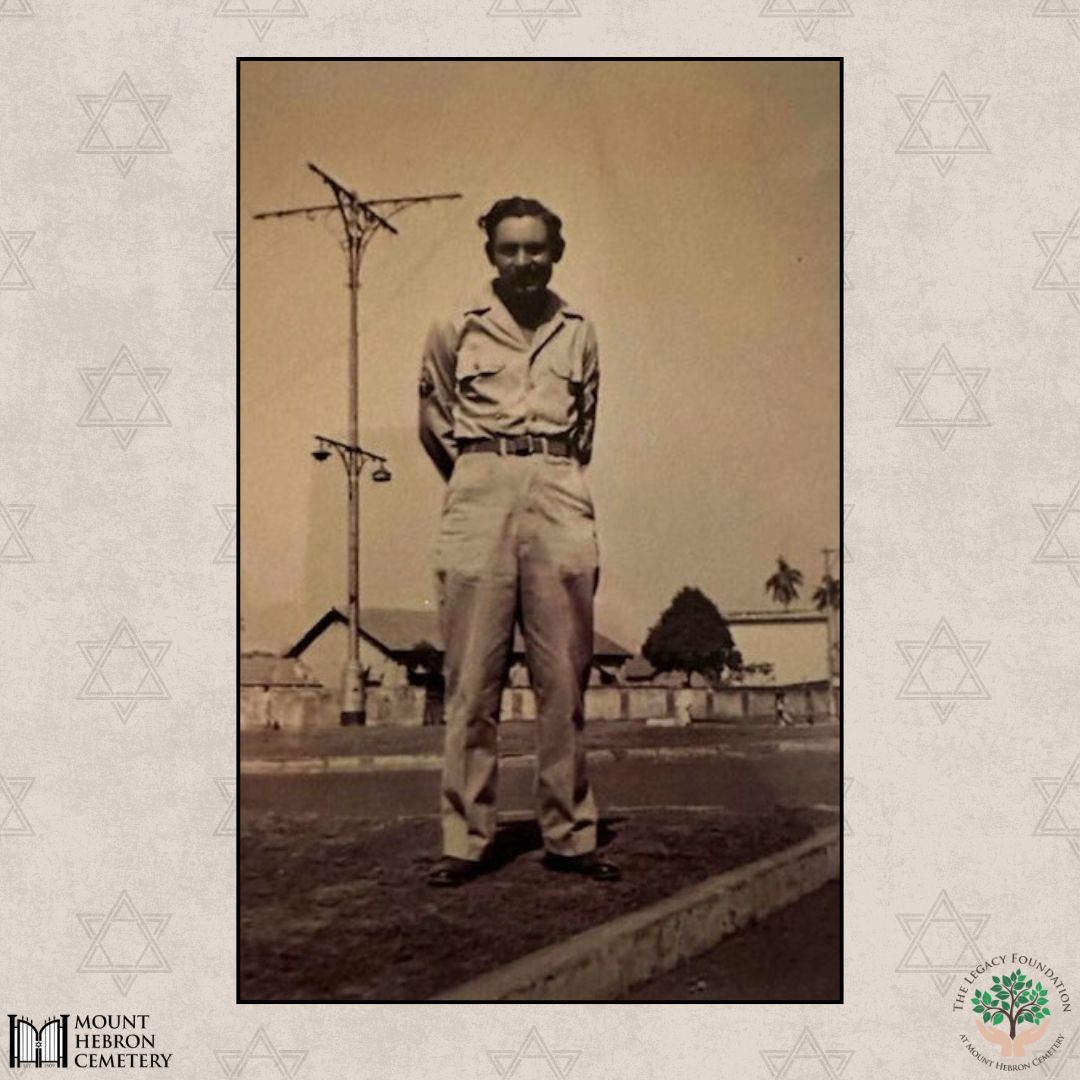
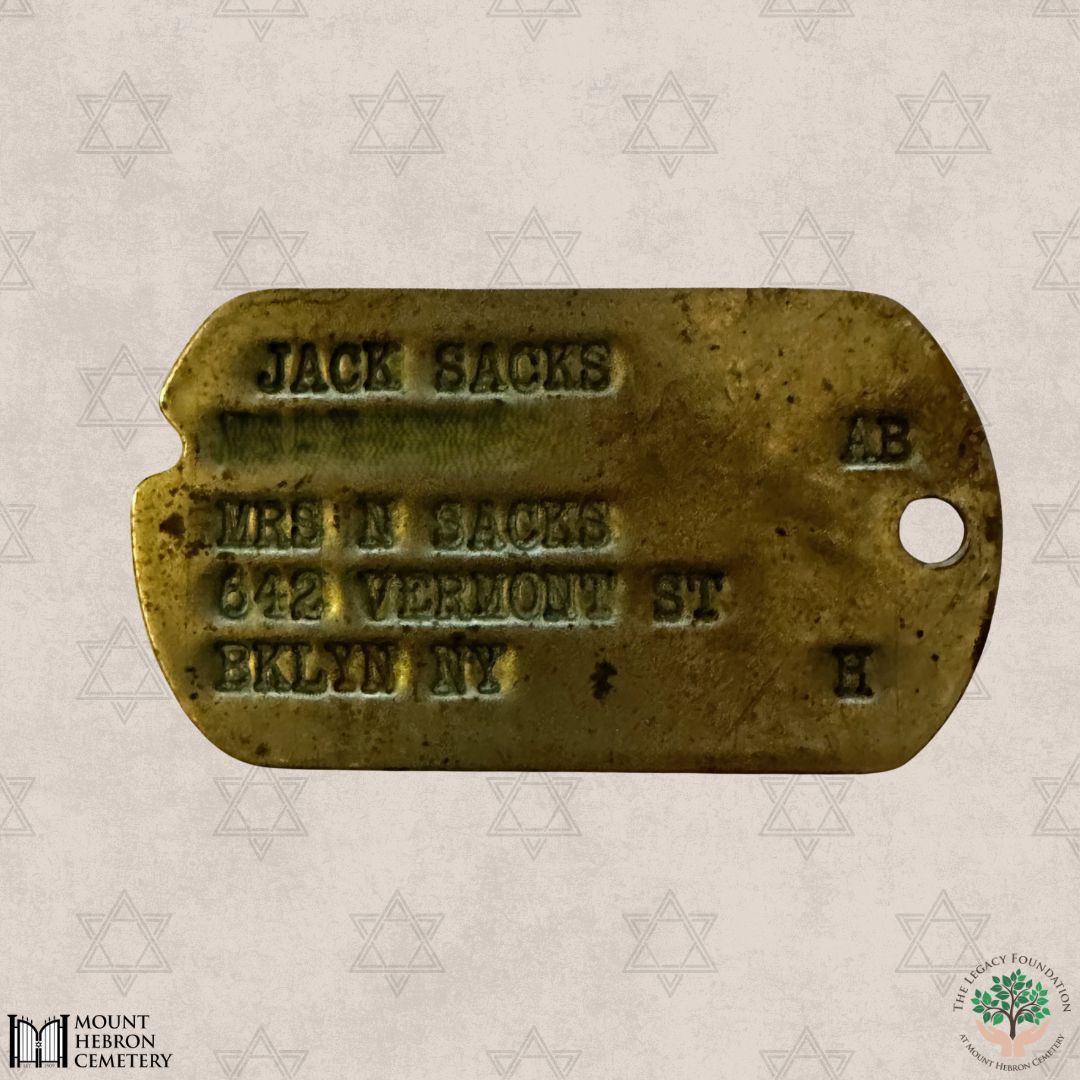
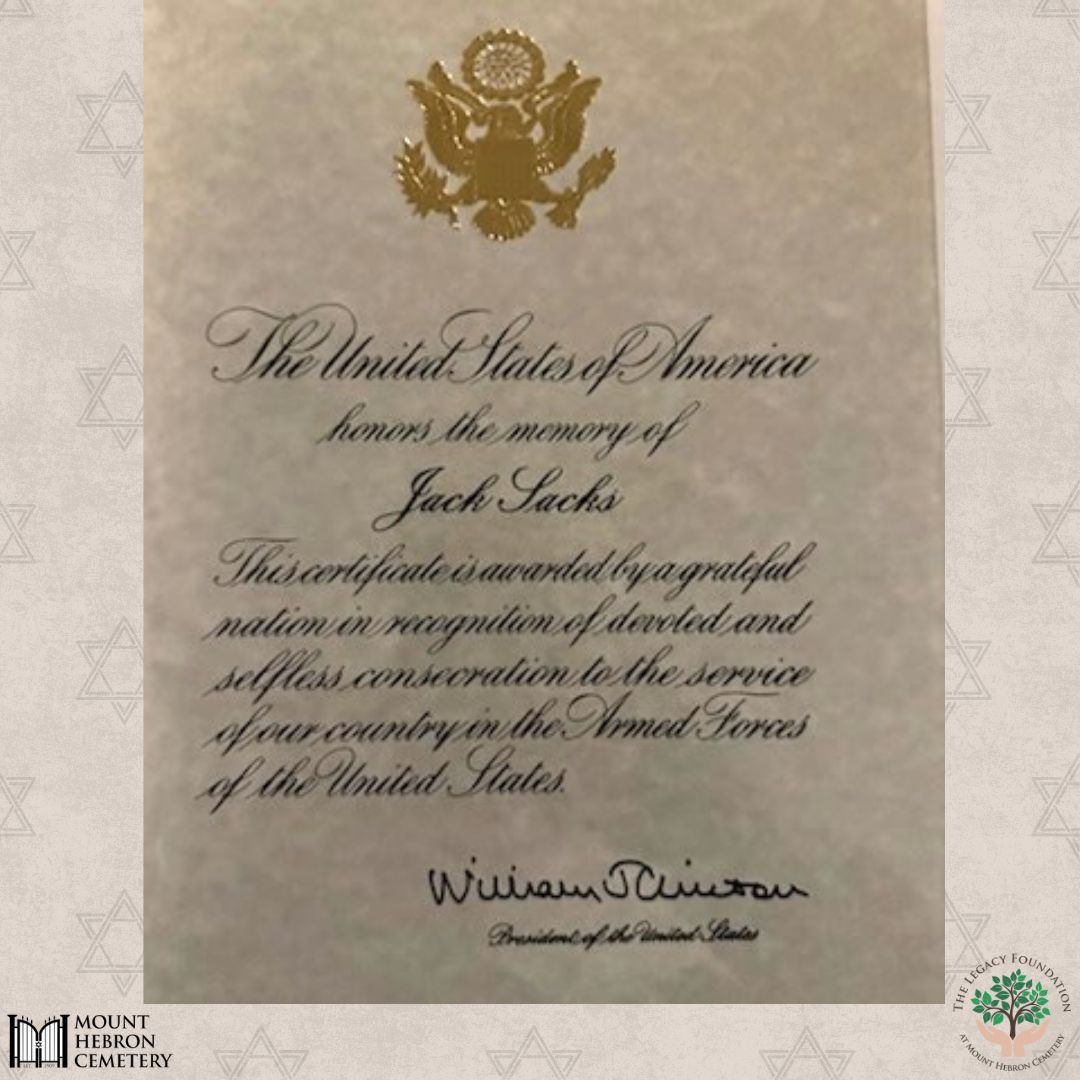
Jack Sacks, a Brooklyn native and World War II veteran, served in the U.S. Army's Ordnance Department with the 3198th Ordnance Base Depot Company in the China-Burma-India Theater from 1944 to 1946. Before the war he worked at the Brooklyn Navy Yard, leaving his job when he was drafted in 1943. Throughout his service he stayed closely connected to his parents and sister through affectionate letters, often referring to them as "the Magnificent Four." His time overseas left lasting memories, including a story about a Japanese sword he brought home that symbolized survival and the emotional weight of war. After returning home he briefly worked again at the Navy Yard before returning to the dry-cleaning trade, living a quiet life shaped by both wartime experiences and personal resilience. Today Jack Sacks rests at Mount Hebron Cemetery, where his story; preserved through letters, photographs, and family memories shared by his nephew continues to honor his service and legacy. ~ Blog by Deirdre Mooney Poulos & Sacks Family
Remembering Jack Sacks: A Soldier’s Story in Fragments of Memory
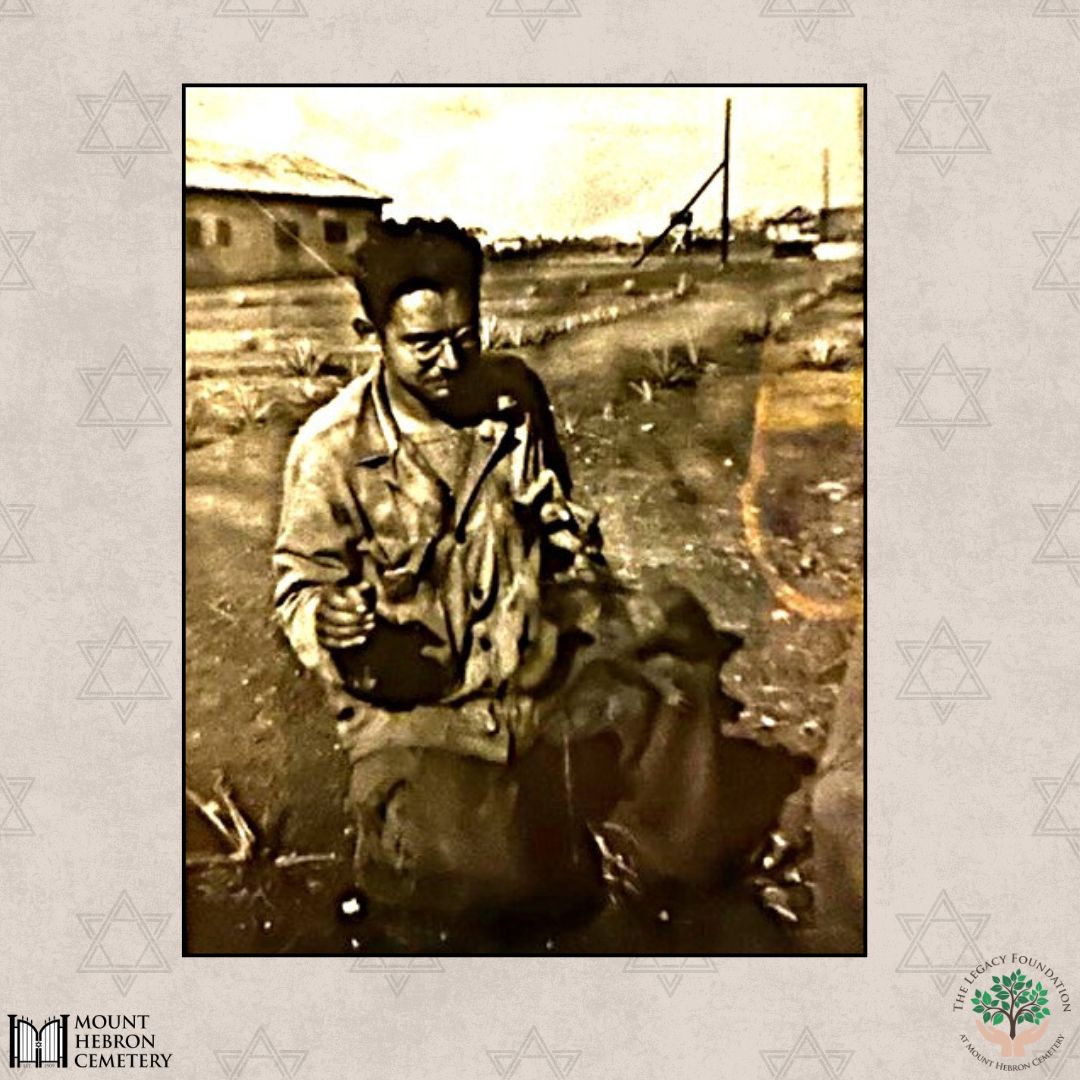
Sometimes family history survives not through official records but through fragments: stories half remembered, letters folded for decades, photographs and objects that still hold the warmth of the hands that once touched them. The story of Jack Sacks, a World War II veteran who served in the China-Burma-India Theater, survives this way. His life was shaped by service and separation, by duty and quiet endurance. His story reflects the personal cost of war and the strength of family bonds that outlast time and distance.
Jack Sacks was born and raised in Brooklyn, New York, to immigrant parents. Before the war, he worked at the Brooklyn Navy Yard, one of the busiest and most vital shipbuilding centers in America. During the war years, the Yard employed more than seventy thousand people. Men and women worked side by side in welding, painting, and shipfitting, often surrounded by asbestos dust that floated through the air like snow. Few understood its danger then. Years later, the same material that helped insulate the nation’s ships would leave a tragic legacy among the workers, including Jack.
When his draft notice arrived, Jack left his job at the Navy Yard to enter military service. A letter dated May 13, 1943, from the Commandant of the Brooklyn Navy Yard officially placed him on furlough from his position as a helper sheet metal worker. It explained that he had been inducted into the Armed Forces effective May 4, 1943, and that upon his honorable discharge he could reclaim his job if he applied within forty days. The letter, signed by J. B. Walker “by direction,” was a promise that men like Jack carried into war: a written assurance they would be welcomed home when peace returned.
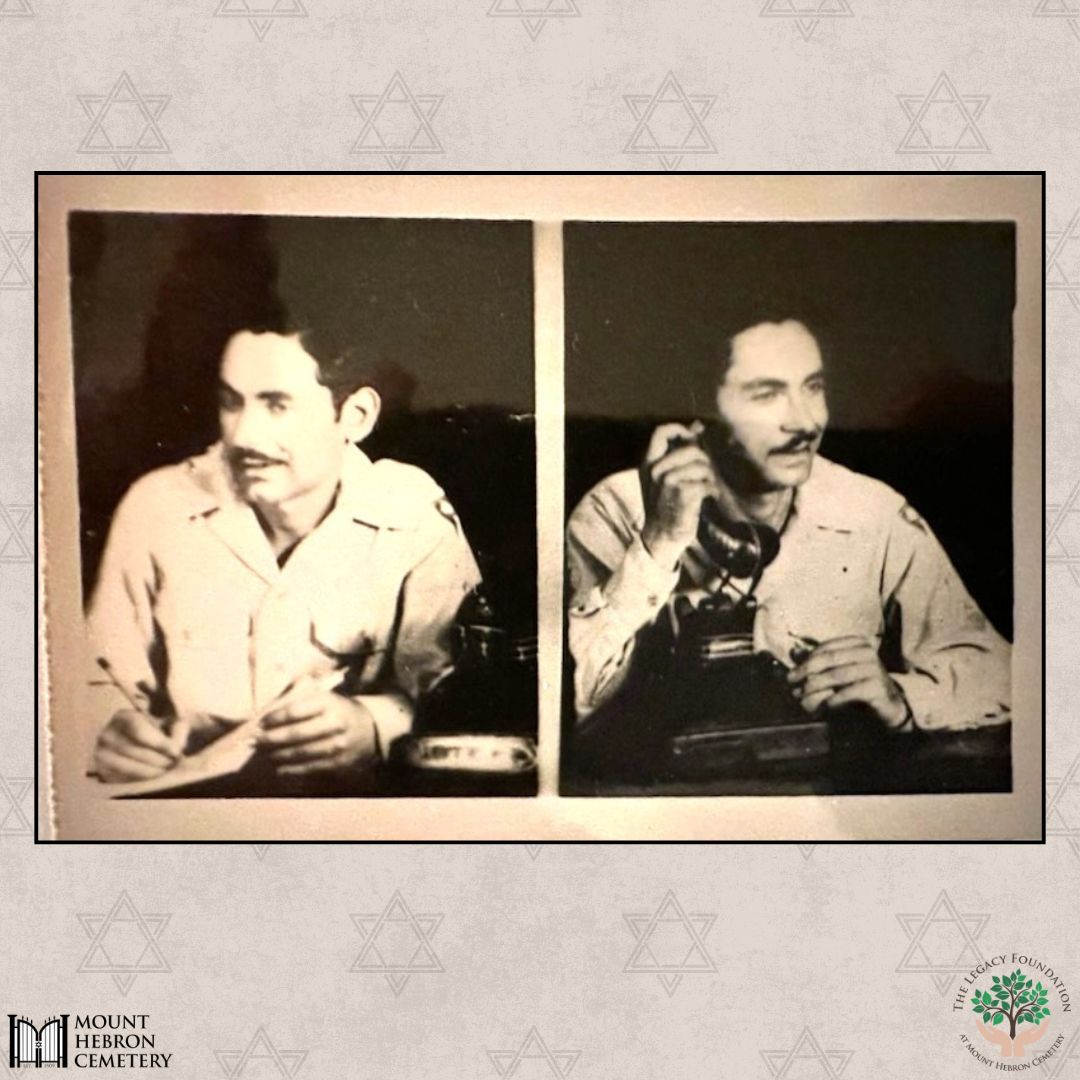
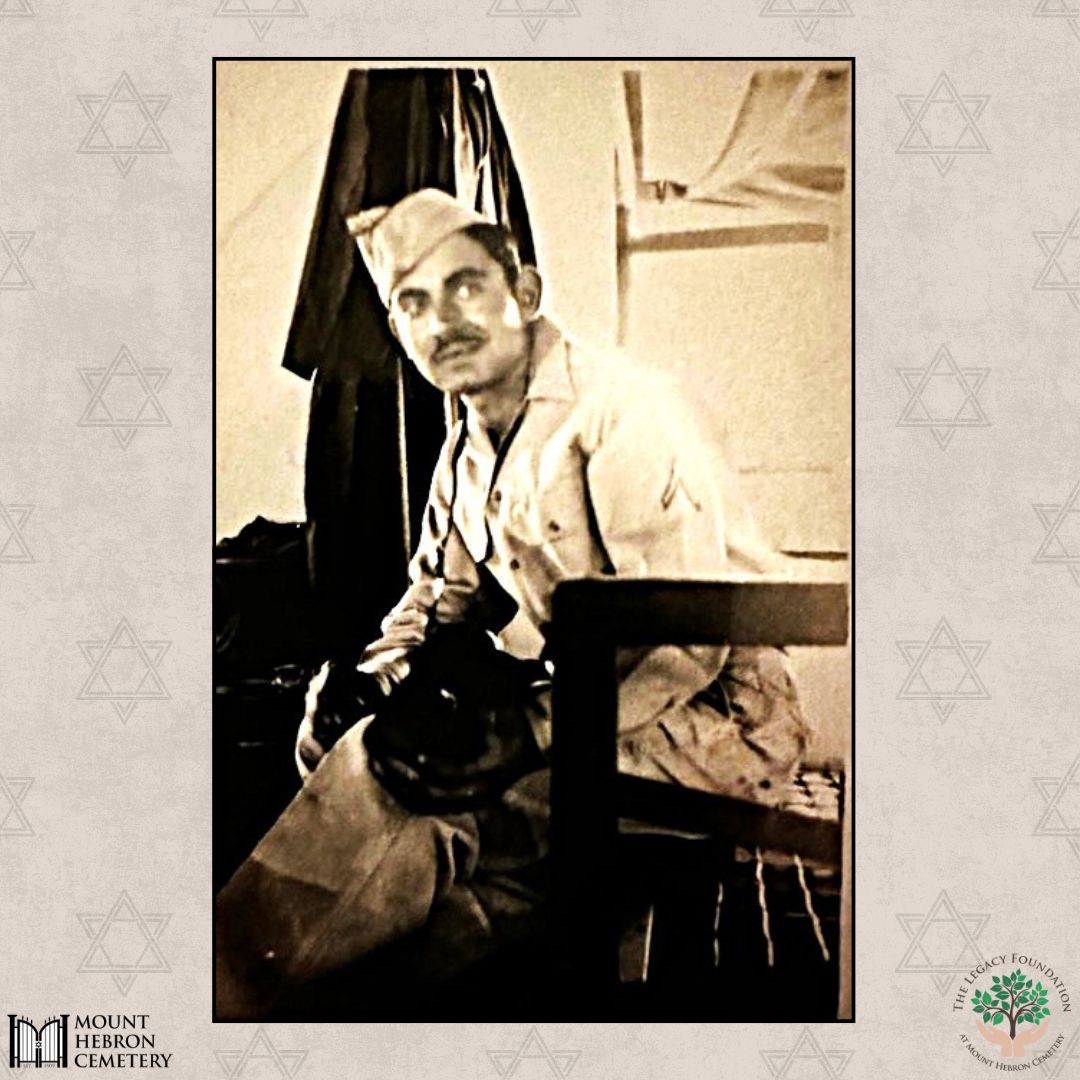
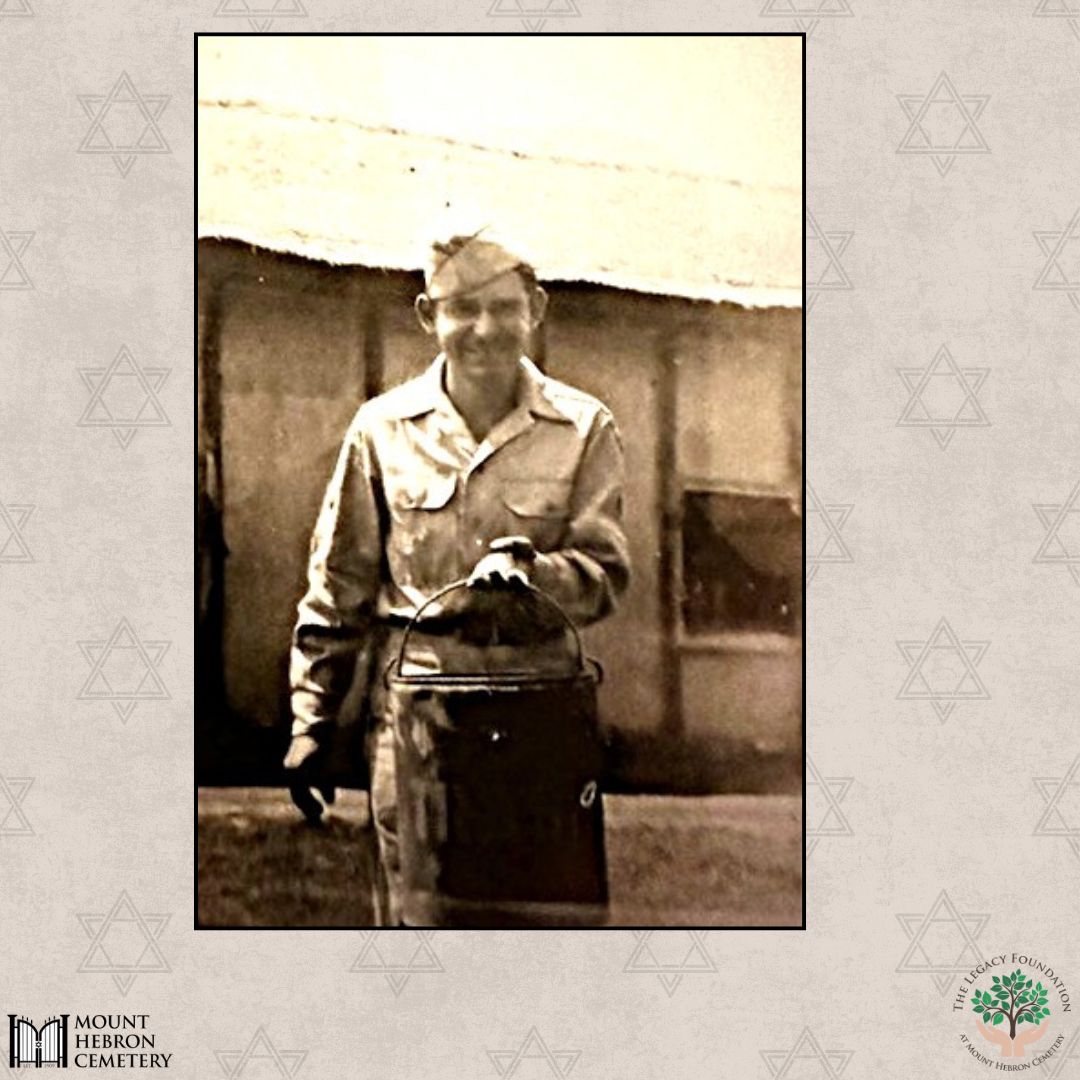
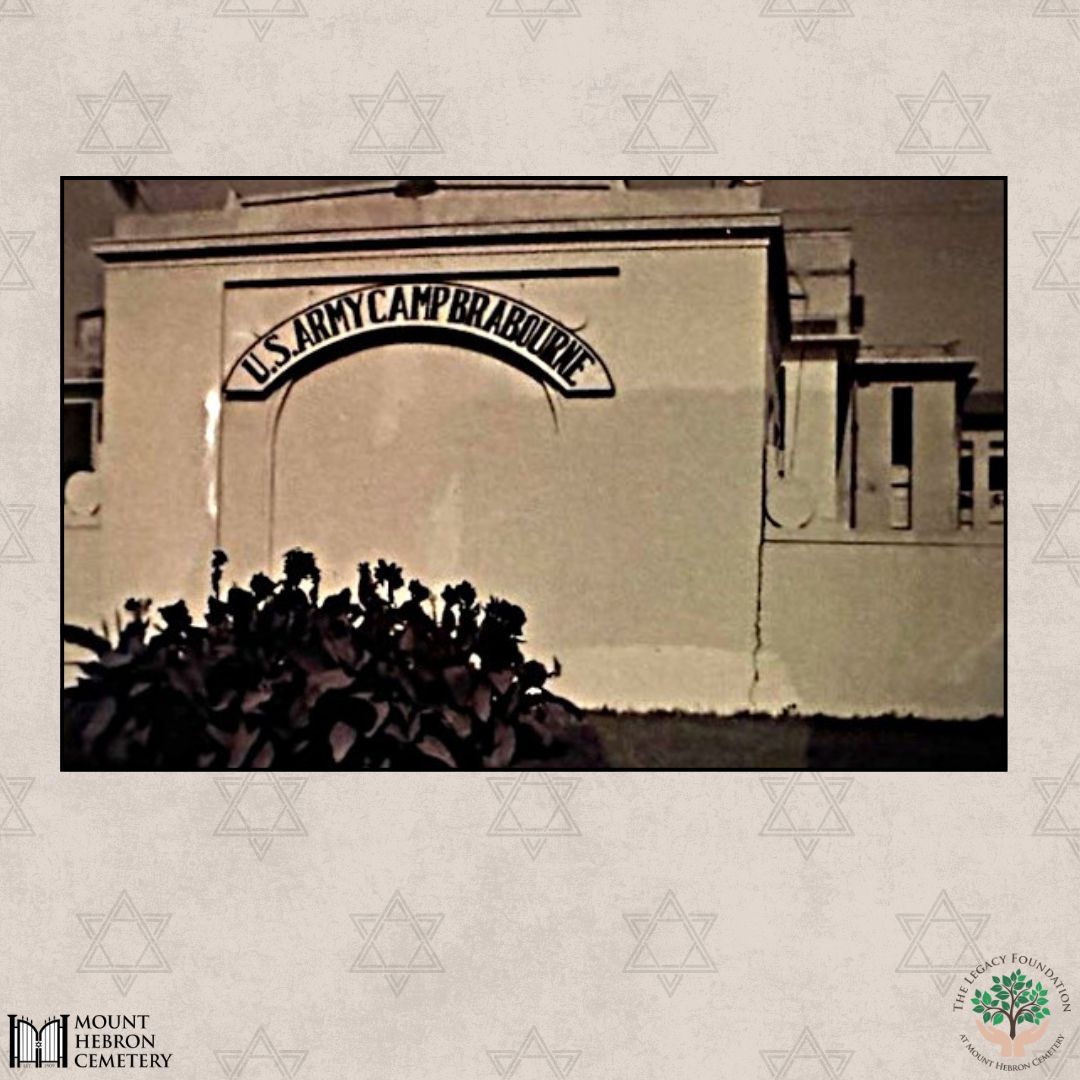
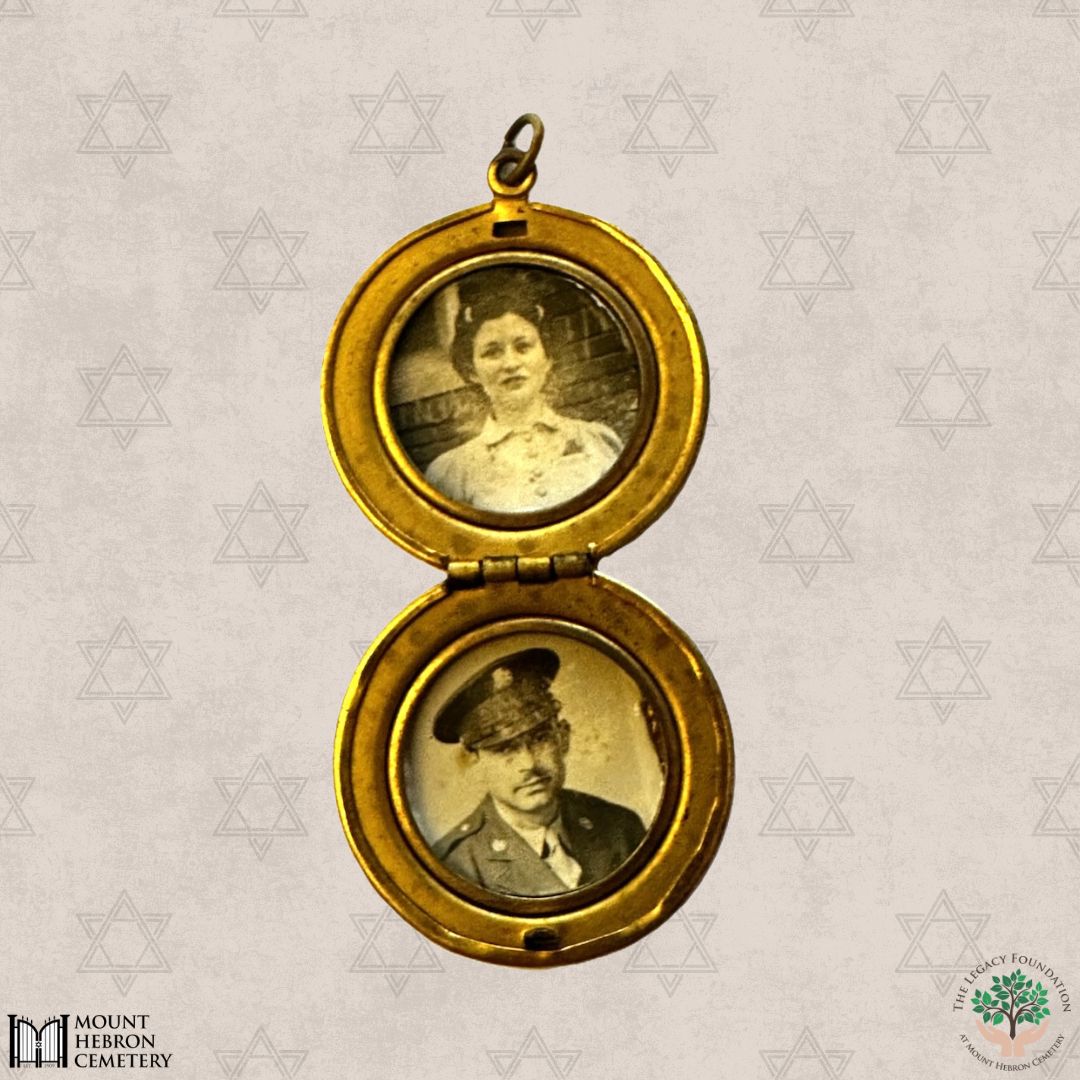
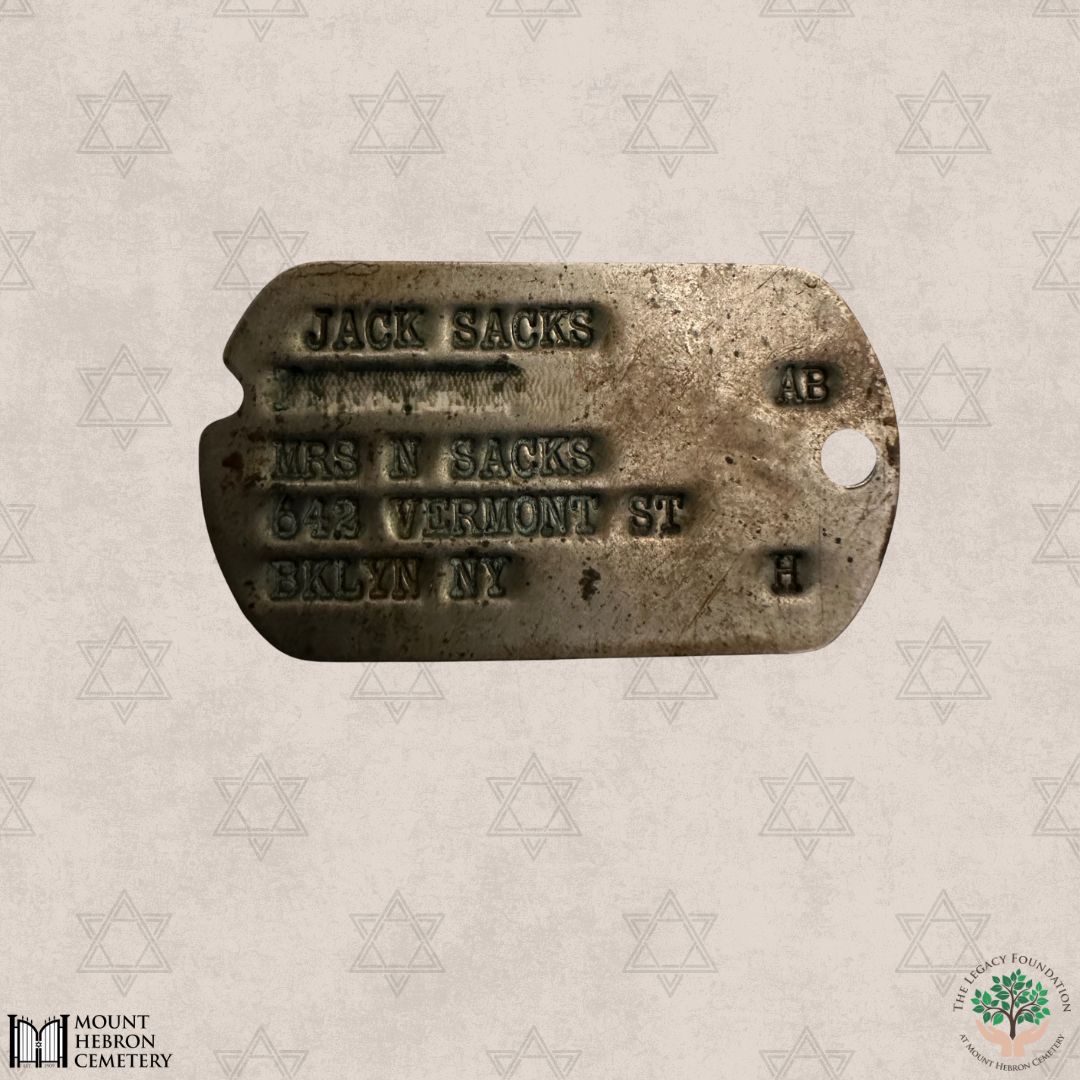
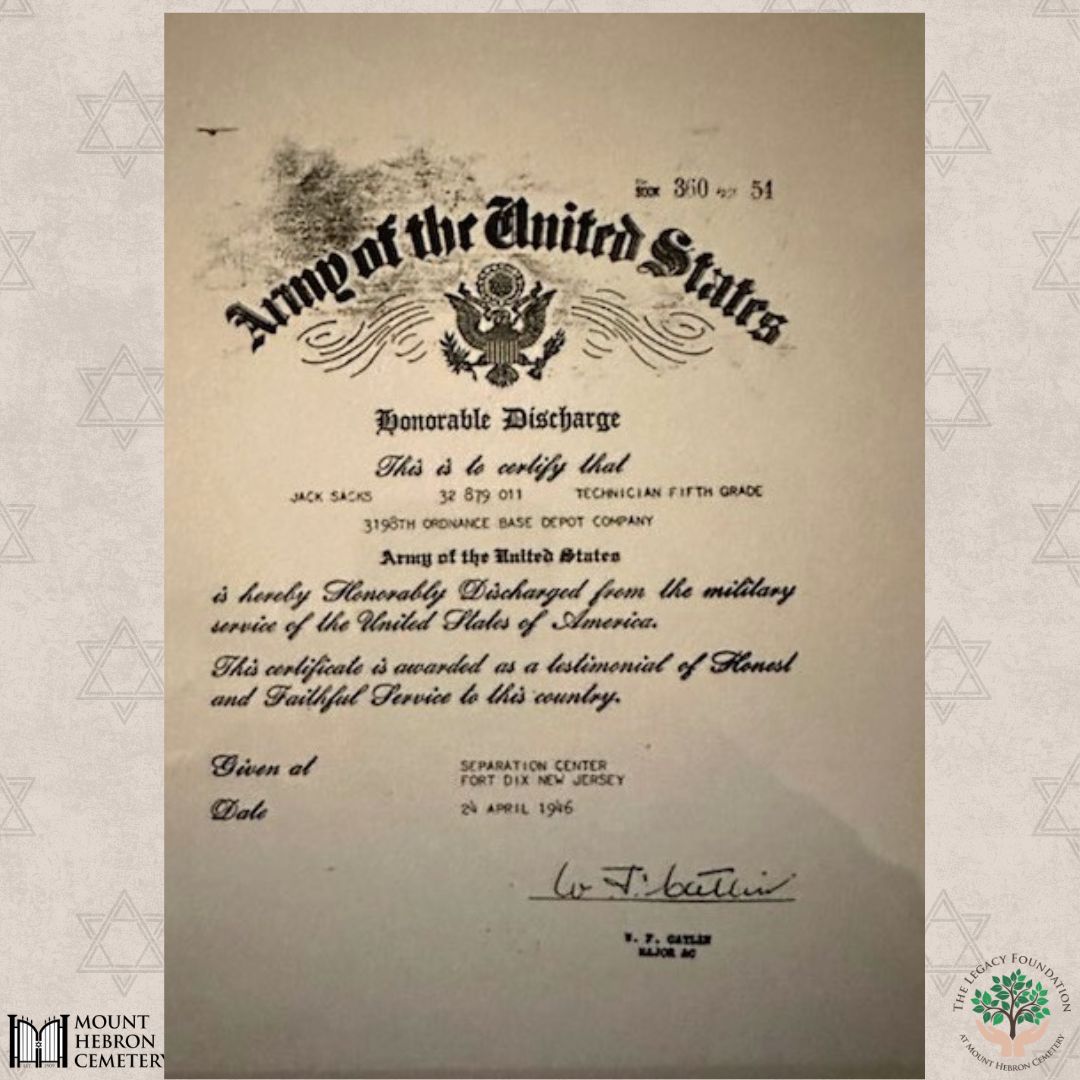
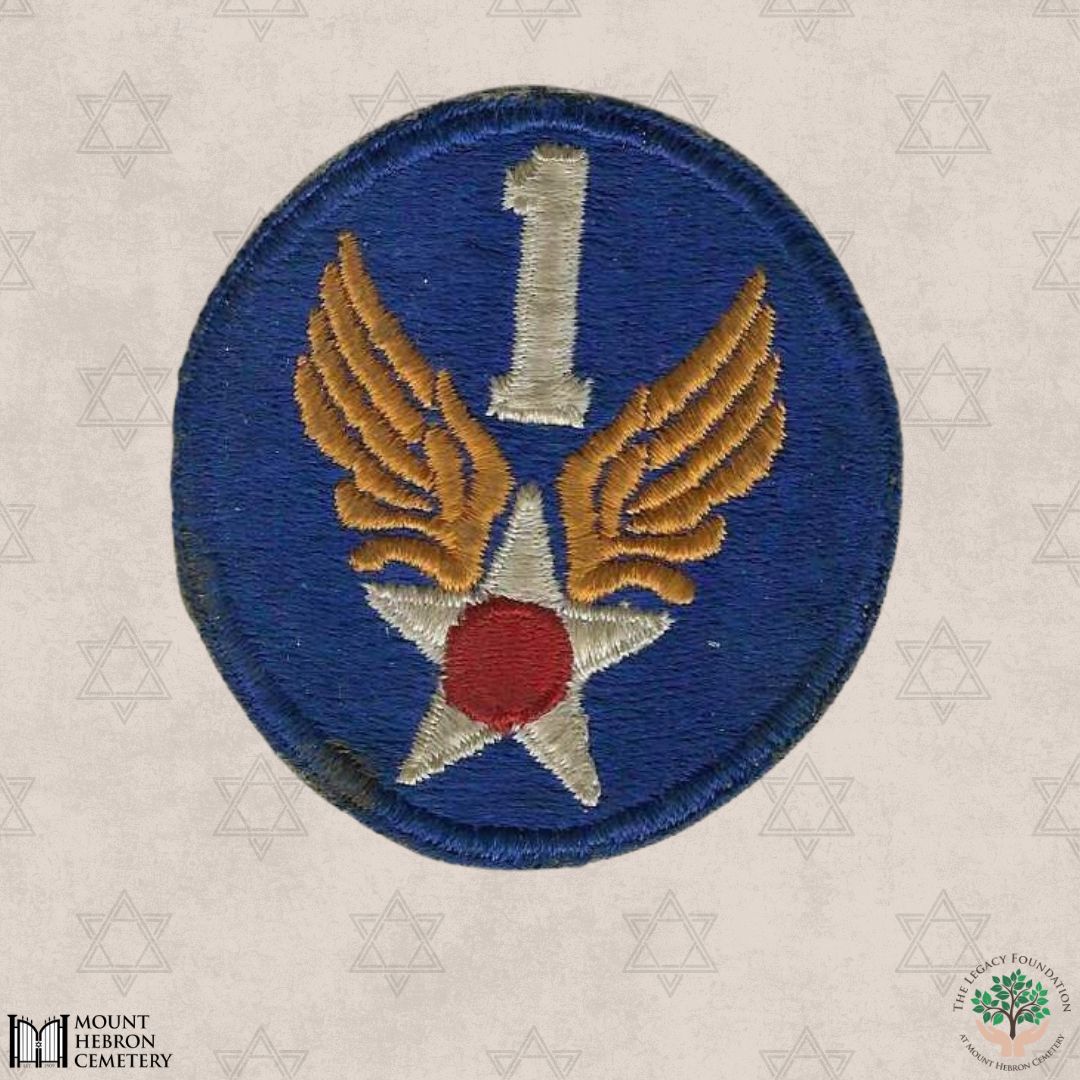
Jack entered the Army on March 31, 1943, and was assigned to the Ordnance Department as a Technician Fifth Grade, serving with the 3198th Ordnance Base Depot Company. His Enlisted Record and Report of Separation lists his military specialty as Foreman, Warehouseman. He trained in Gulfport, Mississippi, and later at the Ordnance School in Flora, Mississippi, before being sent overseas to the China-Burma-India Theater. His foreign service lasted from August 28, 1944, to March 19, 1946. He earned the American Campaign Medal, the Good Conduct Medal, and the World War II Victory Medal, and qualified as a marksman with both the rifle and carbine. On April 24, 1946, at Fort Dix, New Jersey, he received his Honorable Discharge, recognized for “Honest and Faithful Service to this country.”
From a southern training base, Jack wrote home with warmth and humor. His letters were filled with affection for his parents and his sister, often mentioning the family cat, Peppy. He called them “the Magnificent Four,” a name that reflected both love and loyalty, as if the nickname itself could hold the family together across the miles. The letters were simple, even playful, yet beneath the words was the quiet strength of a young man trying to stay connected to home.
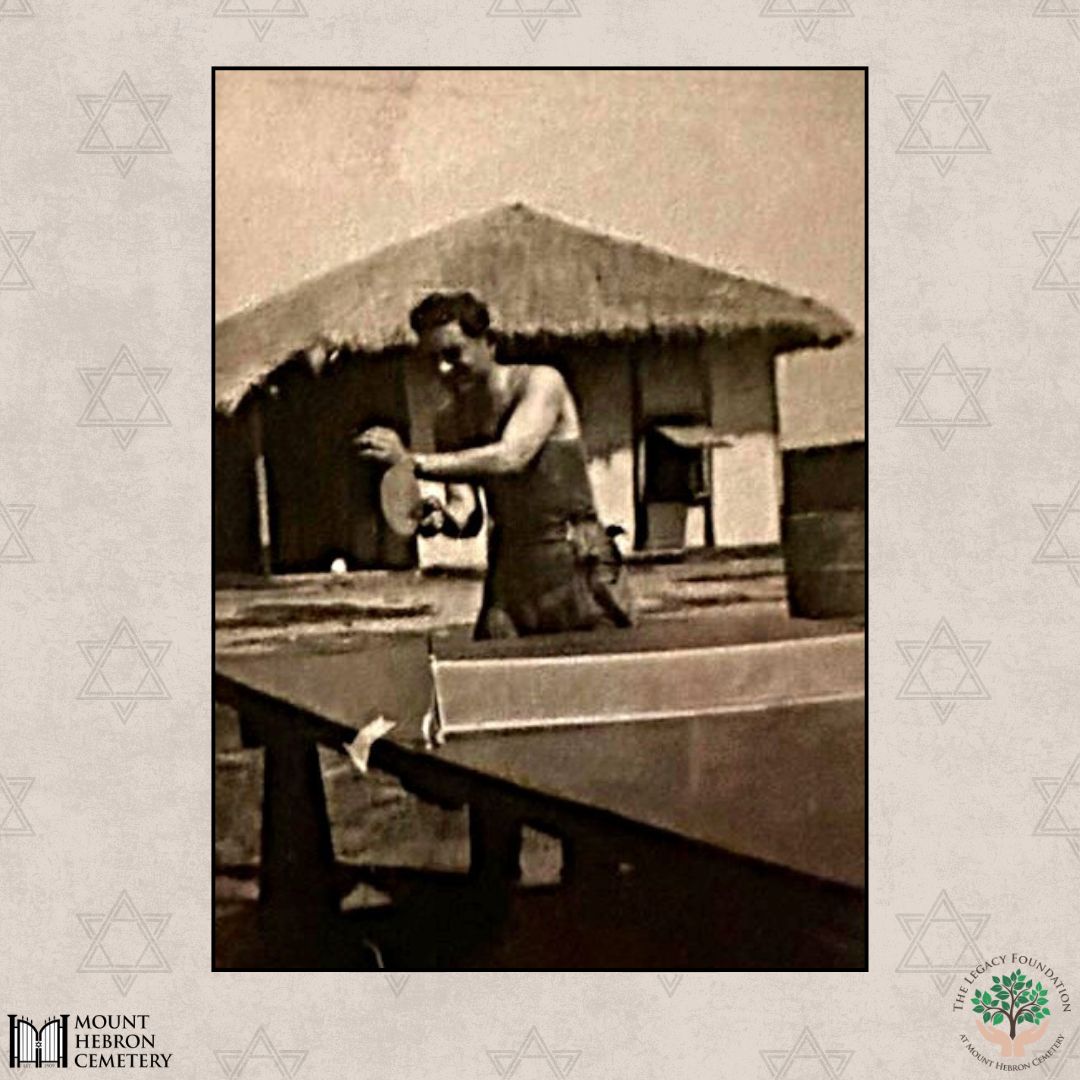
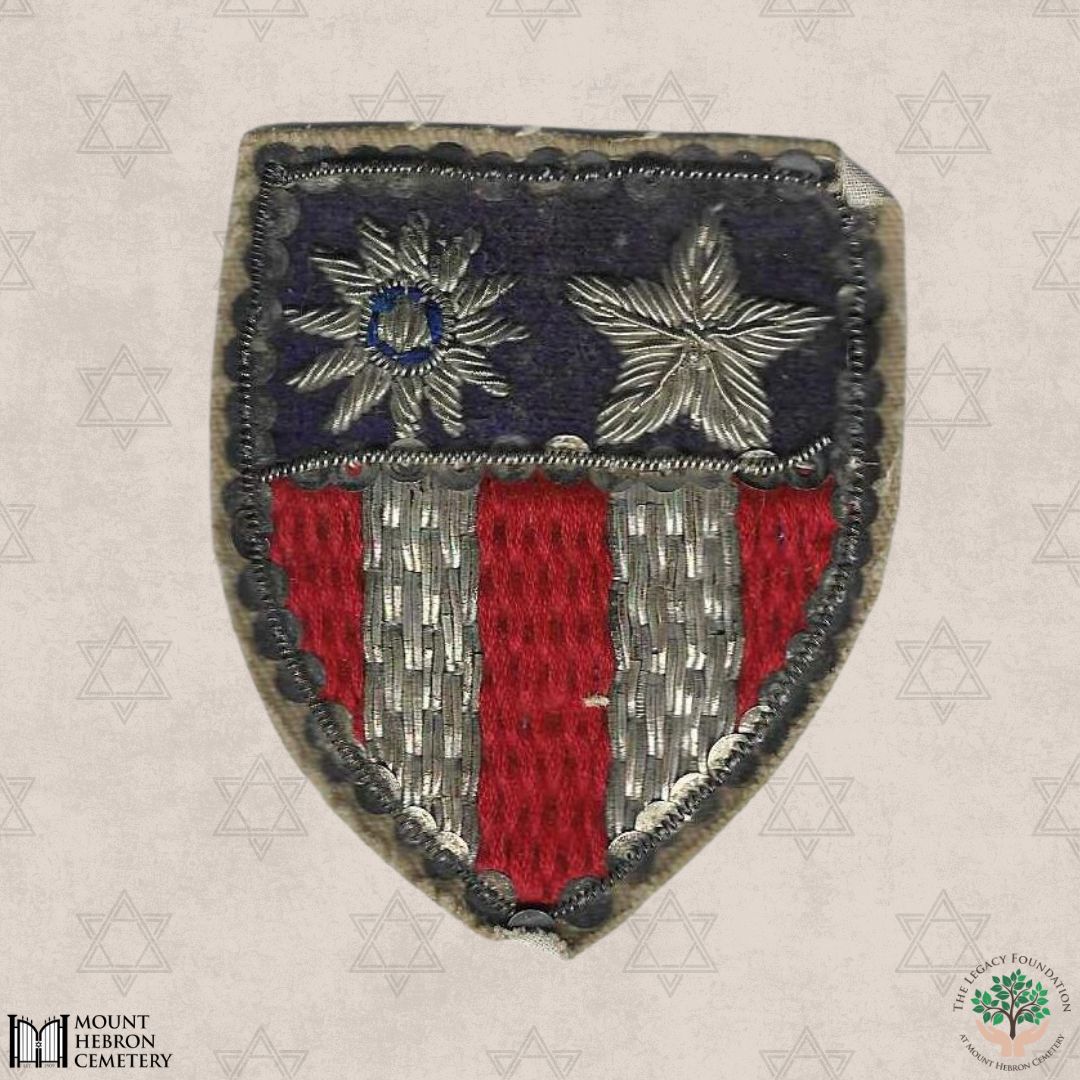
The war carried Jack far from Brooklyn to the distant reaches of Asia. He served in the China-Burma-India Theater, one of the most grueling and least remembered fronts of World War II. The men who served there faced treacherous jungle terrain, monsoon rains, tropical diseases, and the nearly impossible task of maintaining supply routes through mountains and dense forests. The infamous Ledo Road stretched from India into China, built under punishing conditions by American and Allied forces. Others flew “The Hump,” a dangerous air route over the Himalayas that claimed many lives. Service in the CBI Theater was often overlooked by the public, but those who served there carried its memory all their lives. Jack subscribed to the CBI Roundup, a newsletter written by and for men who shared that experience, faithfully into the 1990s.
Among the stories Jack shared, one in particular remained vivid: a Japanese sword he had once come into possession of while overseas. Many American soldiers brought home such weapons as souvenirs after Japan’s surrender, but Jack’s story was different. He recounted that one day a Japanese soldier fell suddenly from a tree in front of him. The man died, and the sword was left behind. The details faded with time, but the emotional weight of that moment never did. Years later, during a police amnesty program for wartime weapons, Jack’s sister turned the sword in to the local precinct, believing it was the responsible thing to do. Jack never forgave that decision. To him, the sword was not just a relic of battle but a reminder of survival and a symbol of a moment that defined him.
One family story tells how close Jack came to losing his life before he ever reached the front. When their father fell ill, his sister traveled south to plead with military officials to allow Jack a brief leave. It was her first experience of the segregated South, and she was shocked when she accidentally entered a “colored” restroom at the train station. With the help of a base rabbi, she succeeded in arranging Jack’s temporary leave. That act may have saved his life, as the ship he had been scheduled to board was sunk shortly afterward.
When Jack returned home in 1946, he expected to reclaim his old job at the Brooklyn Navy Yard, as government policy had promised. He did return briefly, but the Yard was downsizing after the war, and thousands of men, including veterans, were dismissed. Jack soon returned to his earlier trade as a spotter in the dry cleaning business, identifying and treating stains on clothing. He also delivered dry cleaning on the Upper East Side of Manhattan, a job that kept him moving and offered steady income.
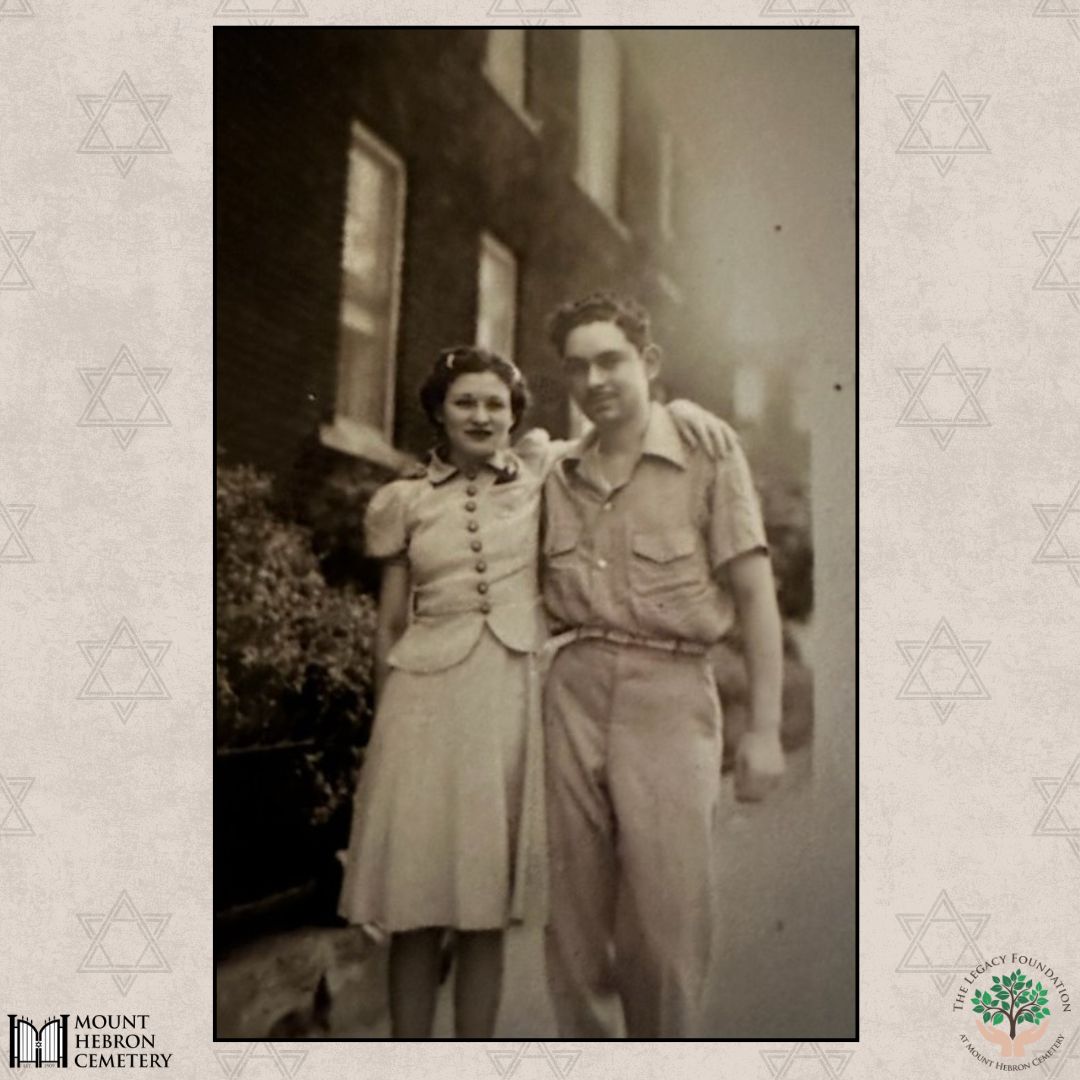
Like many veterans, Jack carried the scars of war quietly. He developed diabetes during his military service, later recognized with a small disability pension. He rarely spoke of his illness or service, but those who knew him sensed the weight of memories he seldom shared. There was also personal heartbreak. During his time overseas, the woman he had hoped to marry ended their relationship, unwilling to wait through the long separation.
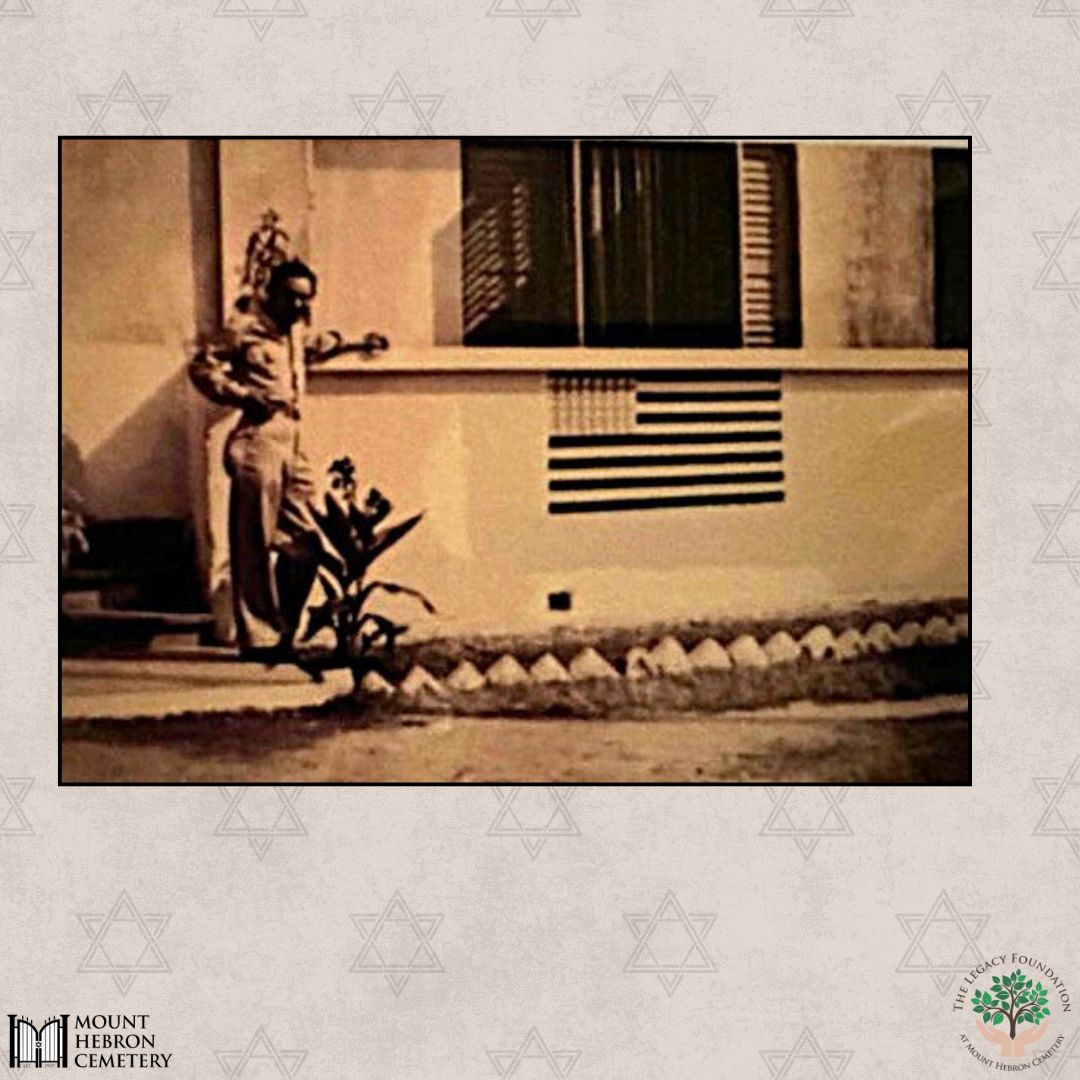
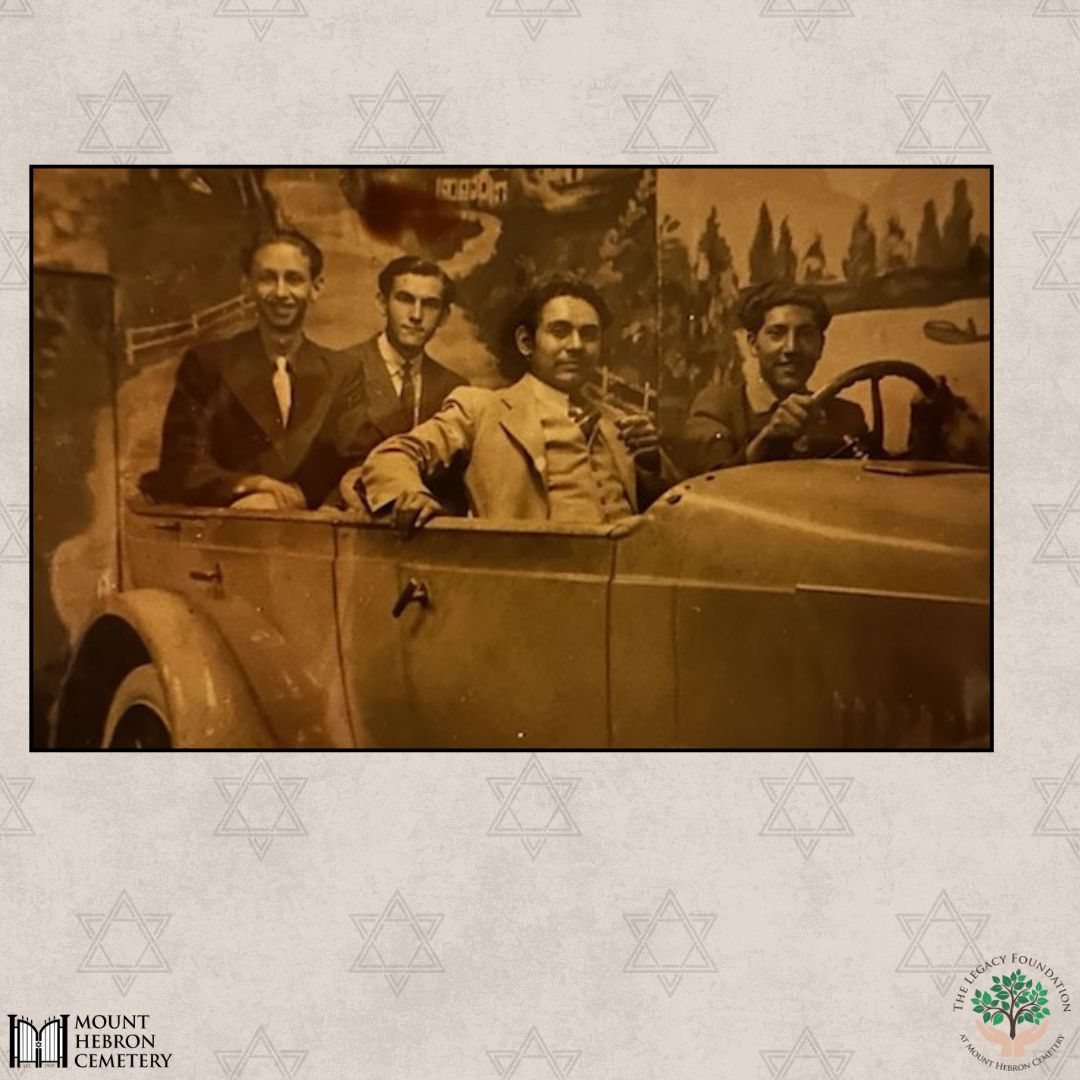
In later years, Jack lived simply, maintaining the quiet dignity that had carried him through war and loss. Among his possessions were photographs from India, including one taken at the Taj Mahal, a rare moment of beauty amid the hardships of war.
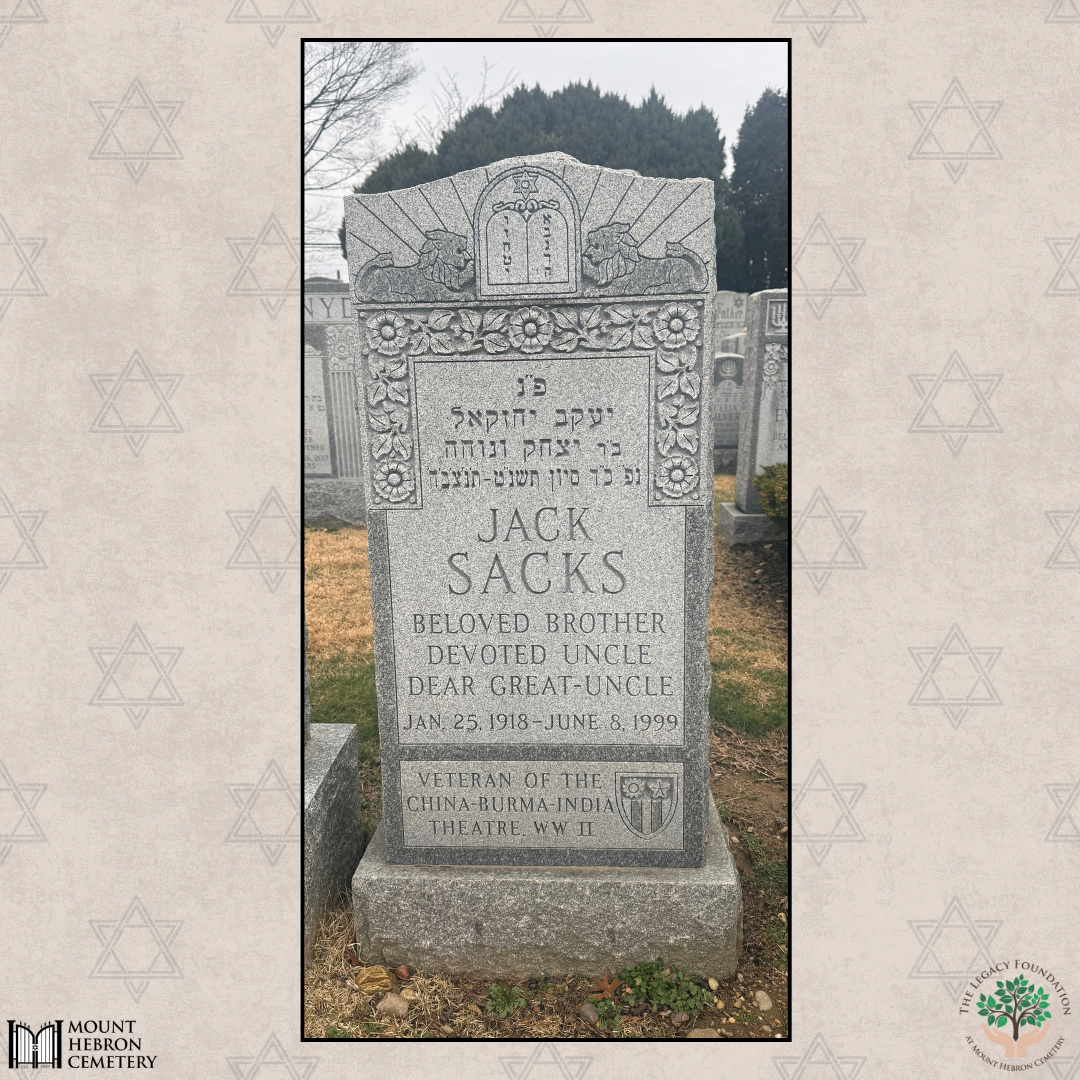
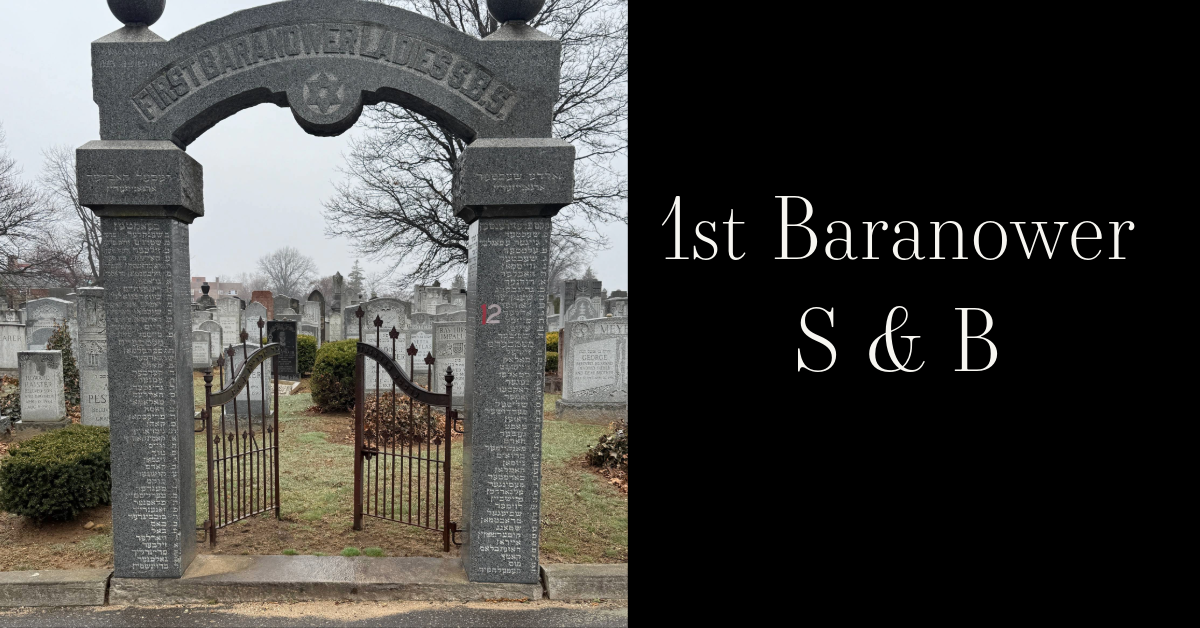
Jack Sacks was laid to rest at Mount Hebron Cemetery in Queens, among thousands of other veterans whose lives shaped the twentieth century. The grave beside his belongs to another soldier, a musician who, like Jack, left behind his own silent story. Their stones stand close together, a small testament to shared service and solitude.
The story of Jack’s life is also preserved in the fragments he sent home: letters, cards, envelopes, and even negatives. Some of these include:
- October 23, 1943 – Gulfport, Mississippi. Card “Thinking of you” to his parents, with a note about Peppy, the family cat.
- January 15, 1944 – Seymour Johnson Field, North Carolina. Card “Hello Folks! (And Sister)” with drawings of soldiers and a lightly clad lady.
- March 5, 1944 – Augusta, Georgia. Birthday card to his sister Pearl.
- May 16, 1944 – Jackson, Mississippi. Mother’s Day card with colorful flowers and a small piece of blue ribbon attached.
- Chanukah Card – No envelope, addressed “To Mom, Pop, & Sister,” with the same greeting in Yiddish on the opposite page.
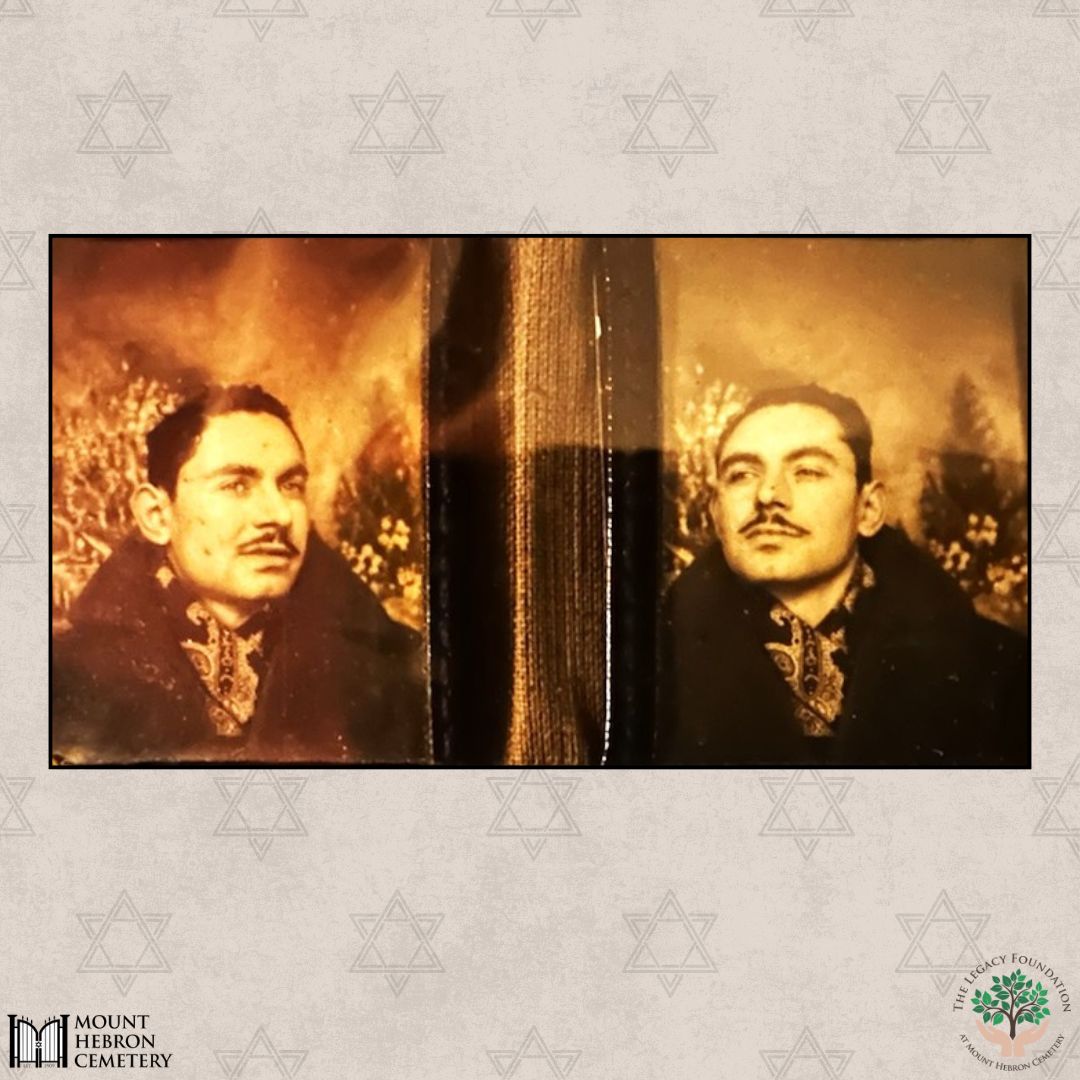
Other envelopes contained nothing inside, but their postmarks trace Jack’s movements across the country. Some letters sent photographs and negatives, now carefully preserved and slated for printing.
Information for this story was provided by Jack Sacks’s nephew, Irwin Sacks, whose memories and research help preserve his uncle’s legacy for future generations. The original Navy Yard furlough letter, Army Enlisted Record and Report of Separation, and Honorable Discharge certificate are preserved in the family’s collection.
May his memory be a blessing.
~Blog by Deirdre Mooney Poulos & The Sacks Familty