Story Summary:
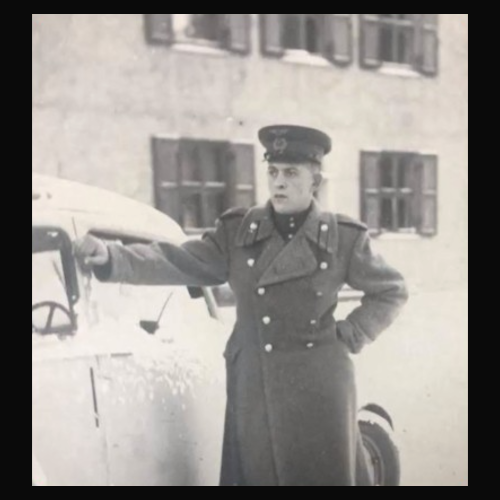
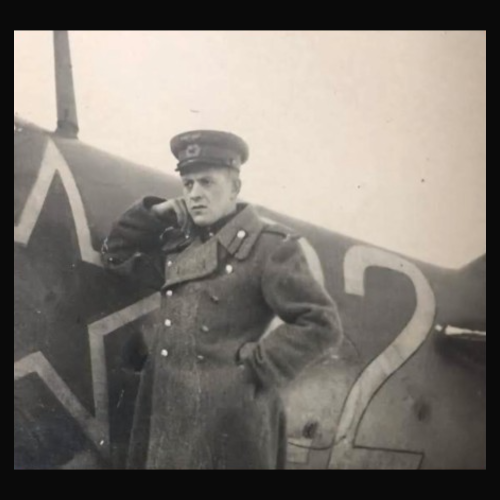
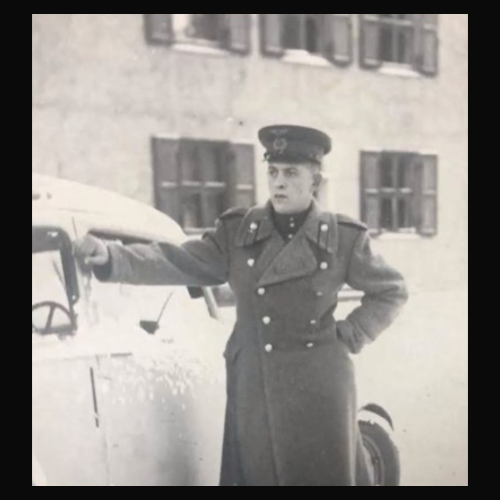
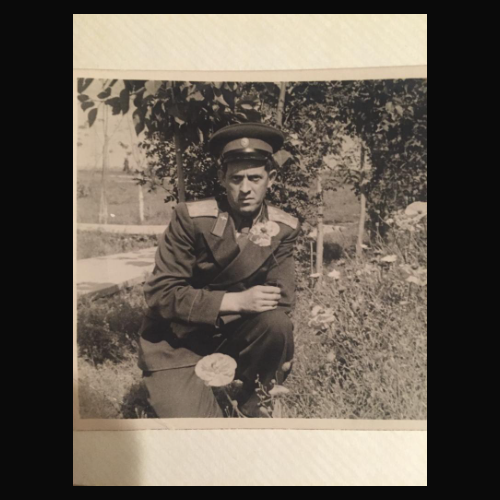
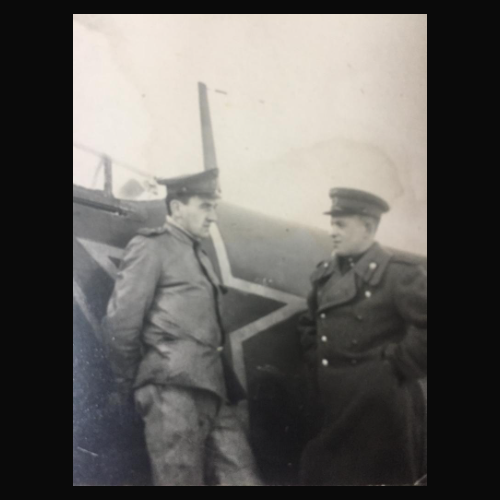
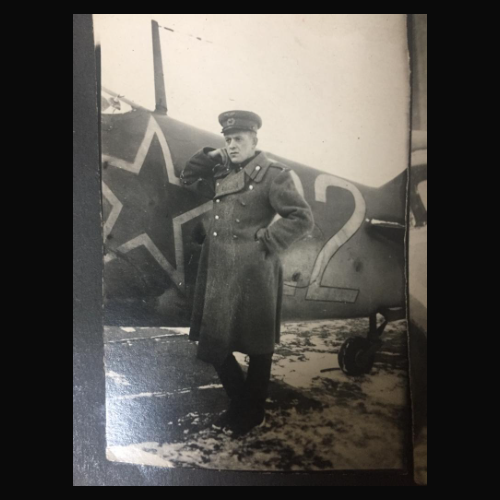
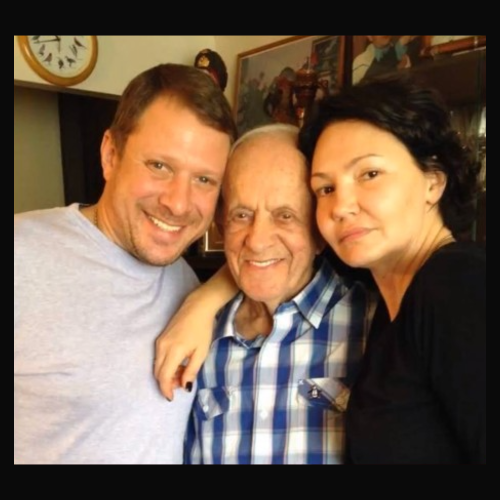
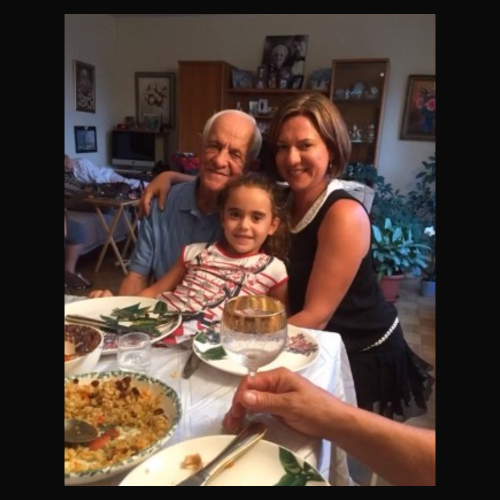
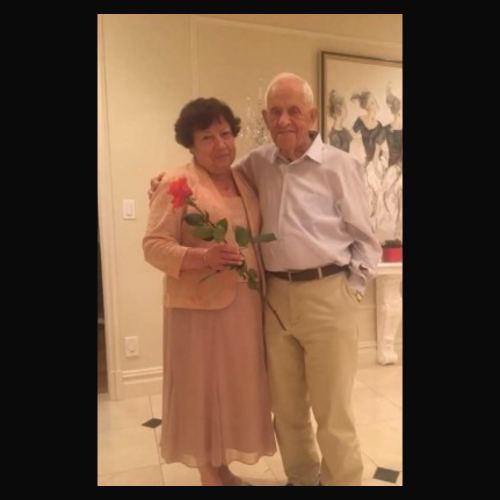
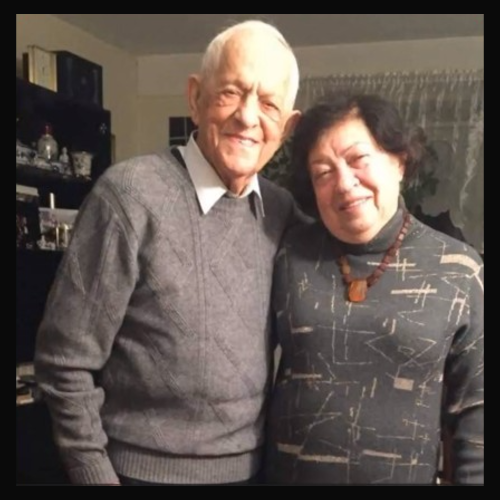
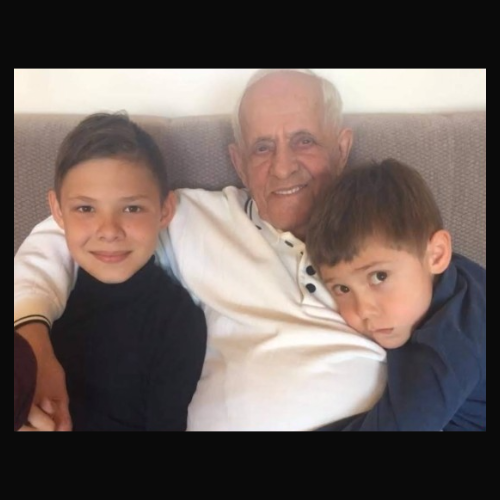
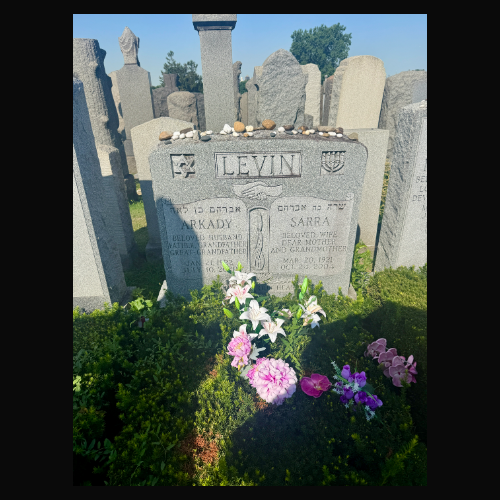
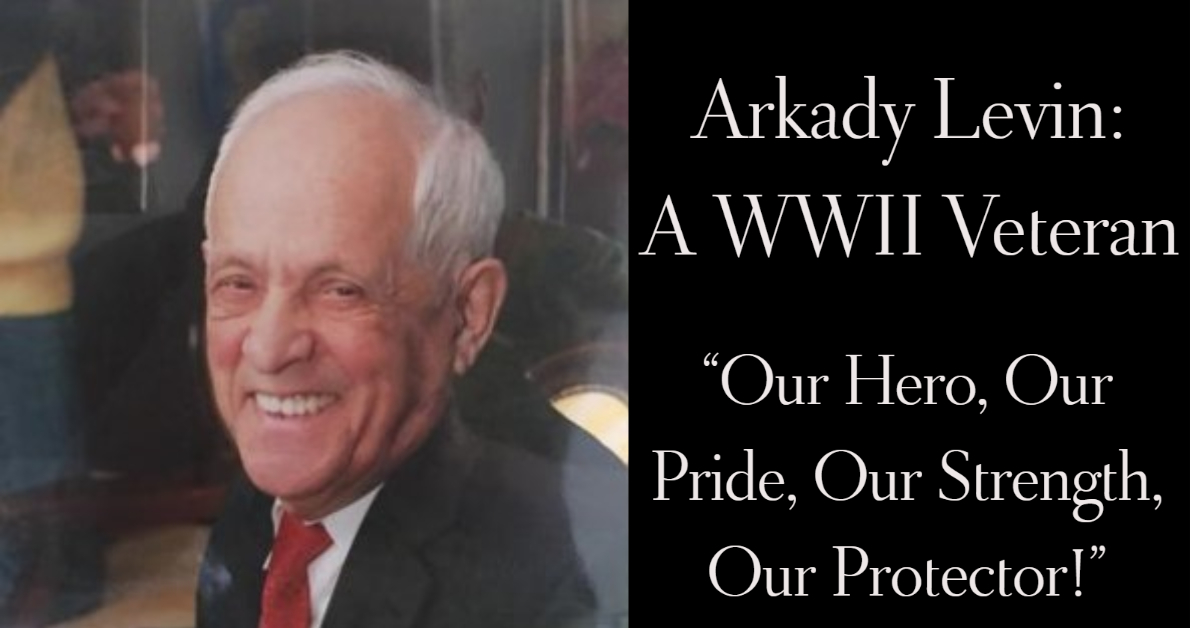
In the summer of 1941, a nineteen year old Jewish boy from Rogachev, Belarus climbed into a fighter plane and flew into the largest military invasion in human history. Arkady Levin flew defensive missions over Minsk and Orsha, survived the Siege of Leningrad, fought at Kursk and did not stop flying until Berlin, wounded five times and returning to the front every single time. By the time the war ended there was no room left on his uniform for another medal. Arkady Levin rests at Mount Hebron Cemetery in Flushing, Queens. His family described him in four words. Our Hero. Our Pride. Our Strength. Our Protector.~Blog by Deirdre Mooney Poulos, Director
From Rogachev to Berlin: The Remarkable Life of Arkady Levin
In the summer of 1941, a nineteen year old Jewish boy from Rogachev, Belarus climbed into a fighter plane and flew into the largest military invasion in human history.
His name was Arkady Levin. And he would not land for good until Berlin.
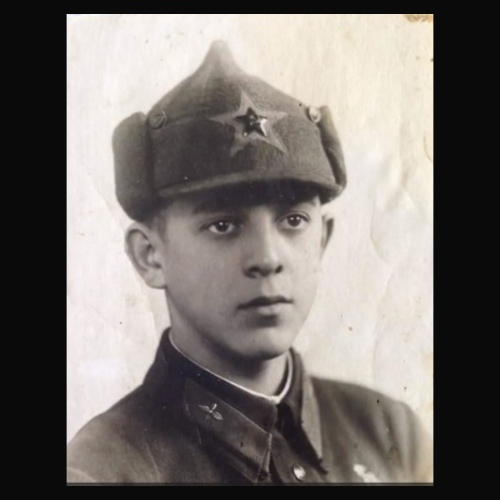
Arkady was born on January 21, 1922, in Rogachev, a small city on the Dnieper River in what is now Belarus. He grew up in a Jewish community that had existed on that river for centuries, a community of merchants and tradespeople and families who had survived pogroms and poverty and Soviet repression and still managed to fill the synagogue on the Sabbath and argue politics in the evenings and send their children to school in the mornings. Arkady was one of those children. By the time he was nineteen he had graduated from the Aviation Academy in Borisoglebsk, one of the most prestigious flight training institutions in the Soviet Union. The country sent its best young pilots there. Arkady was one of them.
He did not have to wait long to find out what that training was for.
On June 22, 1941, Nazi Germany launched Operation Barbarossa. More than three million soldiers crossed into Soviet territory at once, along a front that stretched nearly two thousand miles. It was the largest land invasion in the history of warfare and it was designed to be overwhelming. It was. The Soviet Air Force lost hundreds of planes in the first hours, most of them destroyed on the ground before a single pilot could reach the cockpit. The cities of Minsk and Orsha fell within days. The entire western region of Belarus was swallowed up in a matter of weeks. Families who had lived on the Dnieper River for generations watched German soldiers walk into their towns and understood immediately that everything was about to change.
Arkady's family was among them. Rogachev's Jewish community, like virtually every Jewish community in the occupied territories, was about to face catastrophe. But Arkady was not in Rogachev when the Germans came. He was in the air.
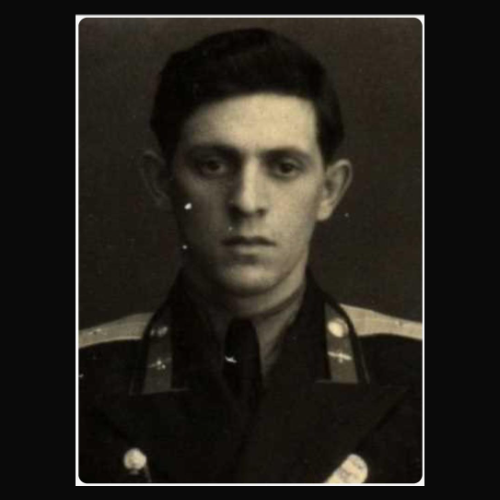
He flew defensive missions over Orsha and Minsk as the Soviet lines collapsed around him. He flew in conditions that most pilots would not have survived a week. The German Luftwaffe was the most battle-hardened air force in the world at that point, having already fought over Poland, France and Britain. Soviet pilots were flying against opponents with years of combat experience and aircraft that were in many cases technically superior. The losses were staggering. The life expectancy of a Soviet pilot in the summer of 1941 was measured in days.
Arkady survived. And when he was wounded for the first time, he recovered and went back.
The Siege of Leningrad began in September 1941 and lasted 872 days. The Germans surrounded the city of nearly three million people and cut off its supply lines. Over a million civilians died, most of them from starvation. The only way in or out was across frozen Lake Ladoga, a supply route that became known as the Road of Life, and Soviet pilots flew endless missions to protect it. Arkady flew in support of Leningrad's defense, in temperatures that froze the instruments in the cockpit, against a Luftwaffe that bombed the city day and night. When he was wounded again, he recovered and went back.
The Battle of Kursk in the summer of 1943 was the largest tank battle and one of the largest air battles in history. The Soviet Air Force threw thousands of aircraft into the fight. For the first time since the war began, Soviet pilots were flying with numbers and equipment that could genuinely match the Germans in the air. The fighting was ferocious and the losses on both sides were enormous. Arkady flew over Kursk as part of a fighter regiment that understood what was at stake. This was the battle that broke the German offensive capability on the Eastern Front forever. After Kursk, the Germans never attacked in force again. The war began to turn.
Arkady flew through that turn. He flew through his third wound and his fourth. He flew through the liberation of Belarus, over the towns and cities that had been occupied for years, over the fields where mass executions had taken place, over the remains of communities that had once been home to hundreds of thousands of Jewish men and women and children. He knew what had happened in those places. He knew because the people who had lived there were his people.
He flew through his fifth wound. And then he recovered and went back.
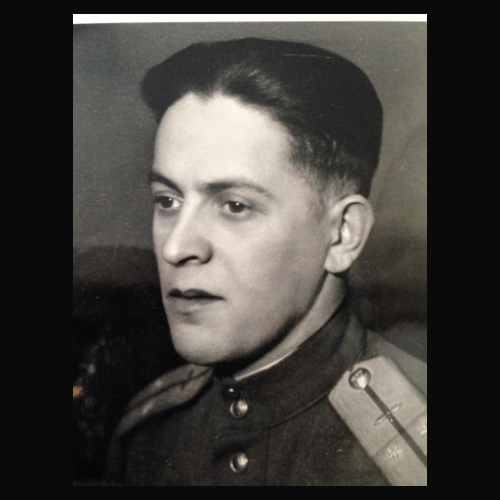
By the spring of 1945, Soviet forces were pushing into Germany itself, through cities that had been reduced to rubble, toward a capital that was defended street by street. Arkady's fighter regiment flew in support of the final campaign. The boy who had taken off from a Soviet airfield in the chaos of Barbarossa in 1941 was now flying over Berlin.
He had started the war as a teenager trying to survive the first week. He ended it flying over the capital of the country that had launched the invasion. Between those two points there were four years of combat, five wounds, the siege of Leningrad, the turning point of Kursk, the liberation of Poland and Belarus, and more losses than any man should have to carry.
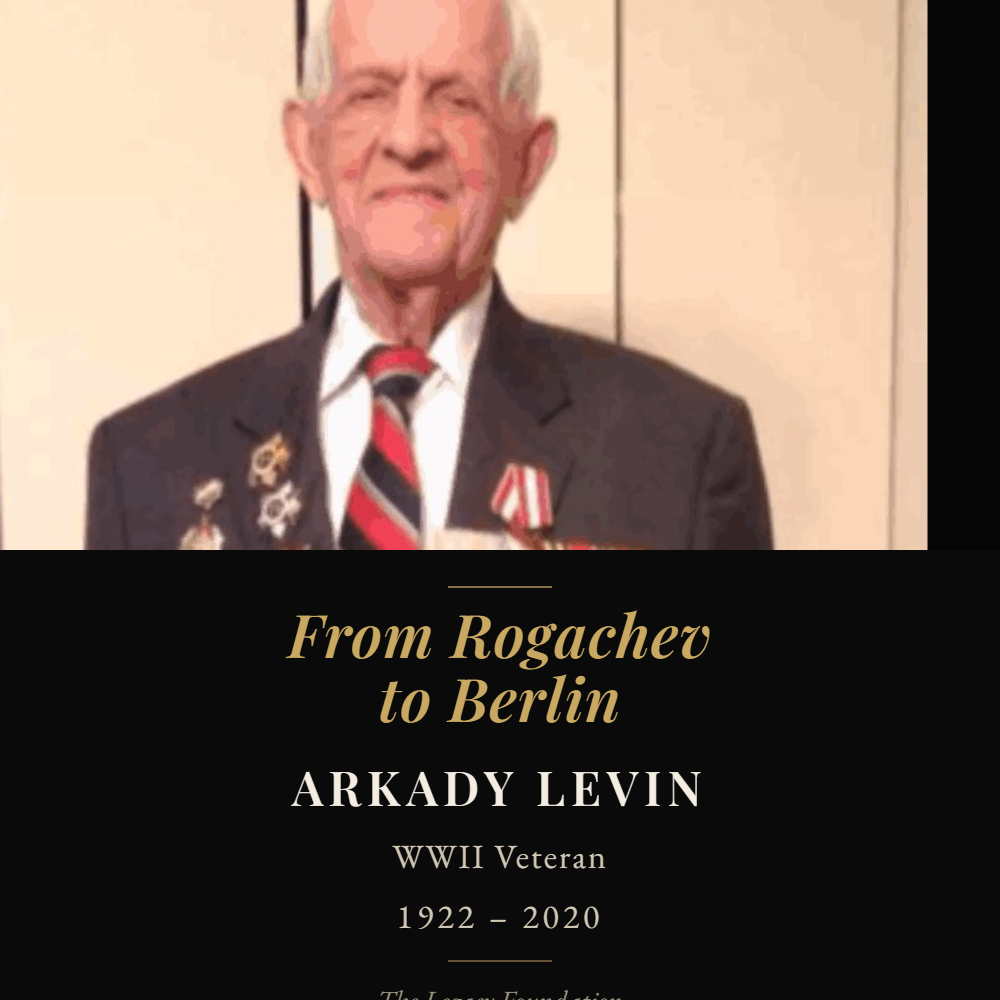
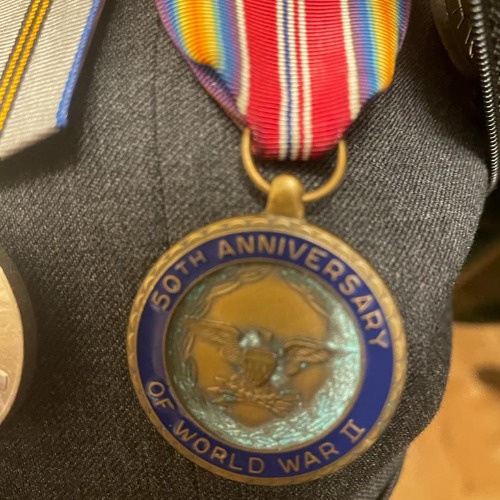
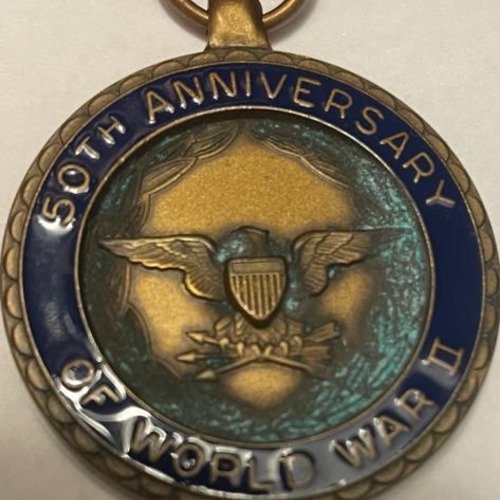
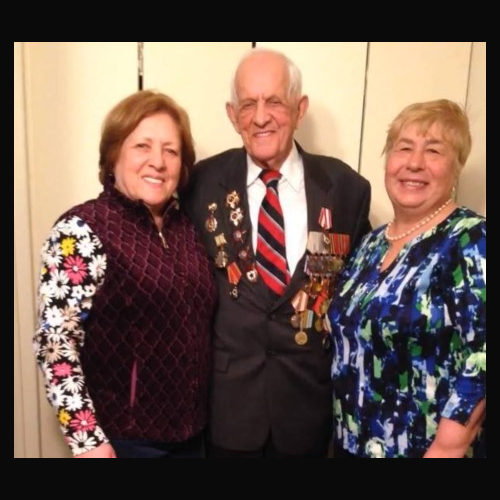
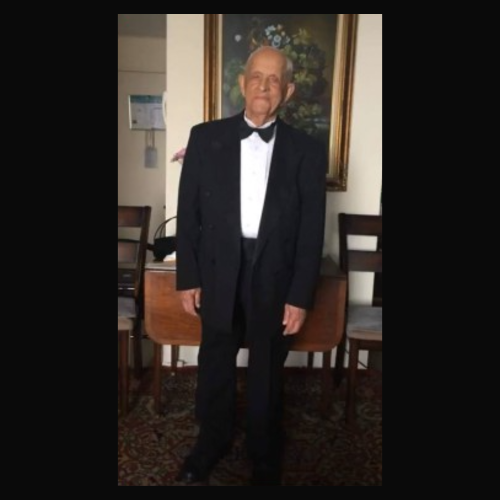
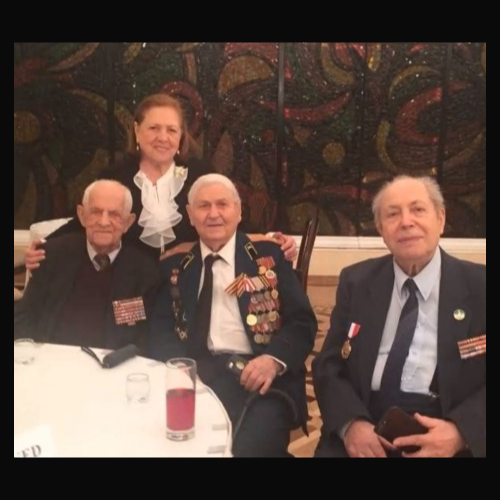
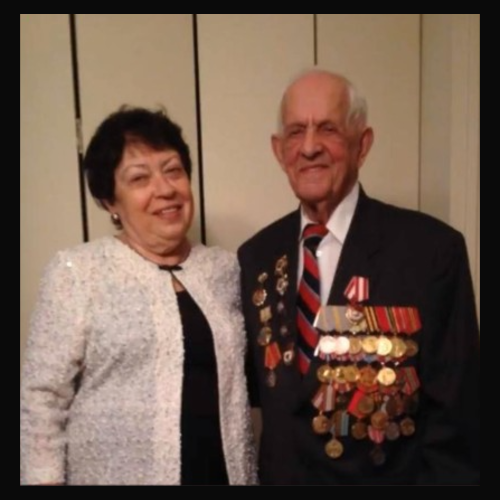
For his service, Arkady was awarded the Medal of Honor, the Medal of the Patriotic War of the First Degree, the Medal of the Patriotic War of the Second Degree and many other decorations. By the time the war ended there was no room left on his uniform for another medal. That is not a figure of speech. His family confirmed it. The uniform had run out of space.
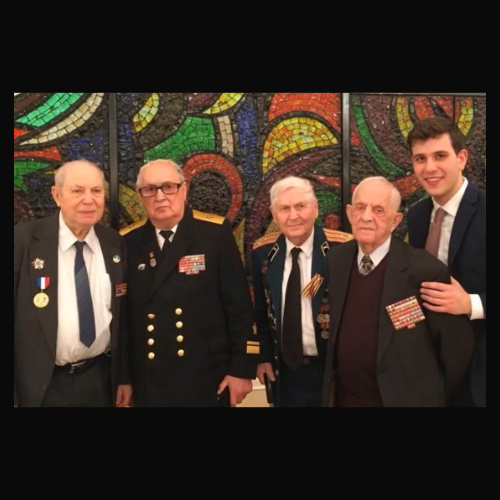
After the war, Arkady came to the United States. He became a proud and active member of both Russian and American committees of World War II veterans. Every year on Victory Day he marched down Fifth Avenue alongside his fellow veterans, Russian and American side by side, the men who had survived the same war from different sides of the same front. He was always for peace. Having seen what war actually looked like from the cockpit of a fighter plane over Leningrad and Kursk and Berlin, having lost friends and fellow soldiers and family members to that war, he understood better than almost anyone alive what peace was worth.
Victory Day was his favorite holiday. He marched every year. He never stopped.
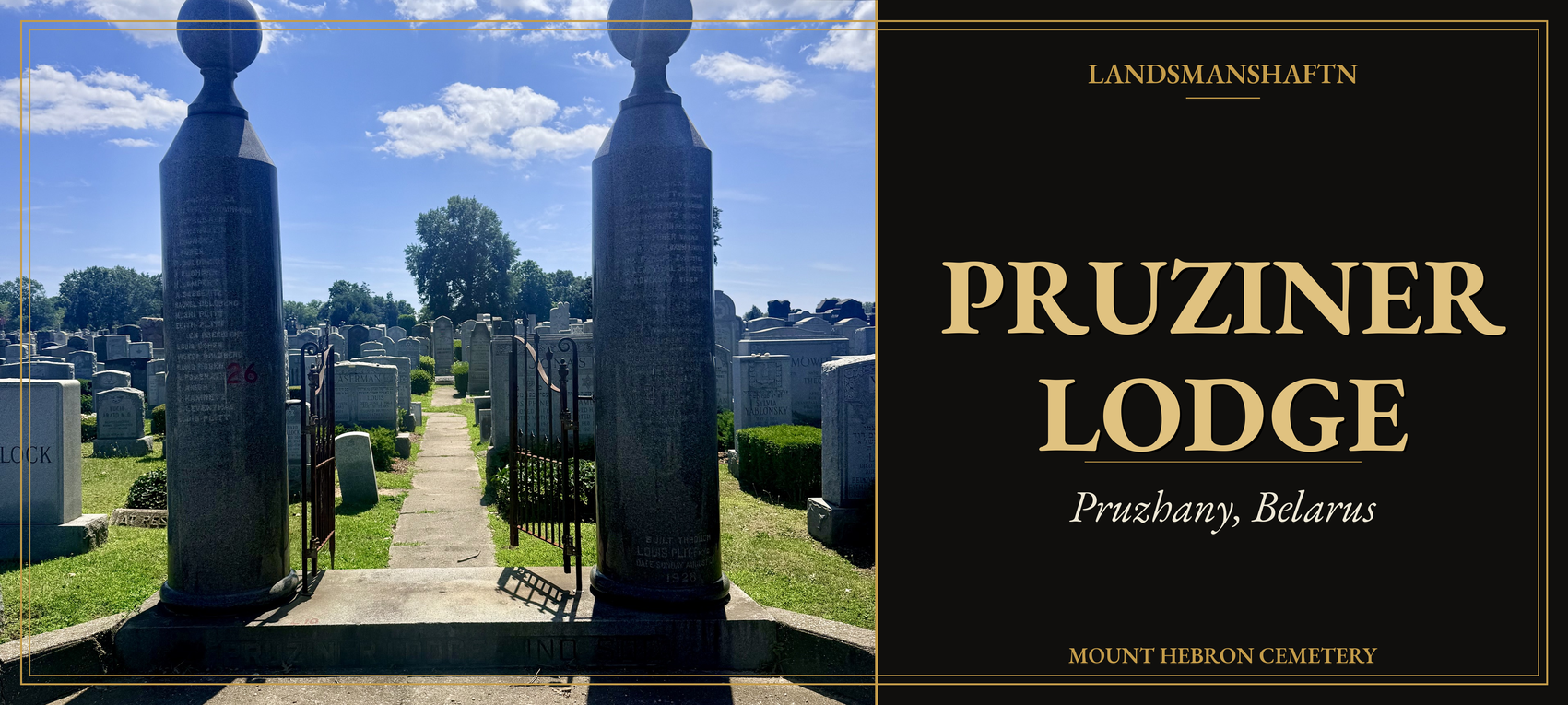
Arkady Levin rests at Mount Hebron Cemetery in Flushing, Queens. His family summed him up in four words.
Our Hero. Our Pride. Our Strength. Our Protector.
Standing here, knowing what he flew through and what he carried home, it is hard to argue with a single one of them.
May his memory be a blessing.
Blog by Deirdre Mooney Poulos
Works Cited
Beevor, Antony. Berlin: The Downfall 1945. Viking, 2002.
Bergstrom, Christer. Barbarossa: The Air Battle July to December 1941. Classic Publications, 2007.
Bergstrom, Christer. Kursk: The Air Battle July 1943. Classic Publications, 2008.
Glantz, David M. When Titans Clashed: How the Red Army Stopped Hitler. University Press of Kansas, 1995.
Jones, Michael. Leningrad: State of Siege. Basic Books, 2008.
Overy, Richard. Russia's War: A History of the Soviet War Effort 1941 to 1945. Penguin Books, 1997.
Family testimony and documentation provided by Lisa Levina, daughter of Arkady Levin.