Story Summary:
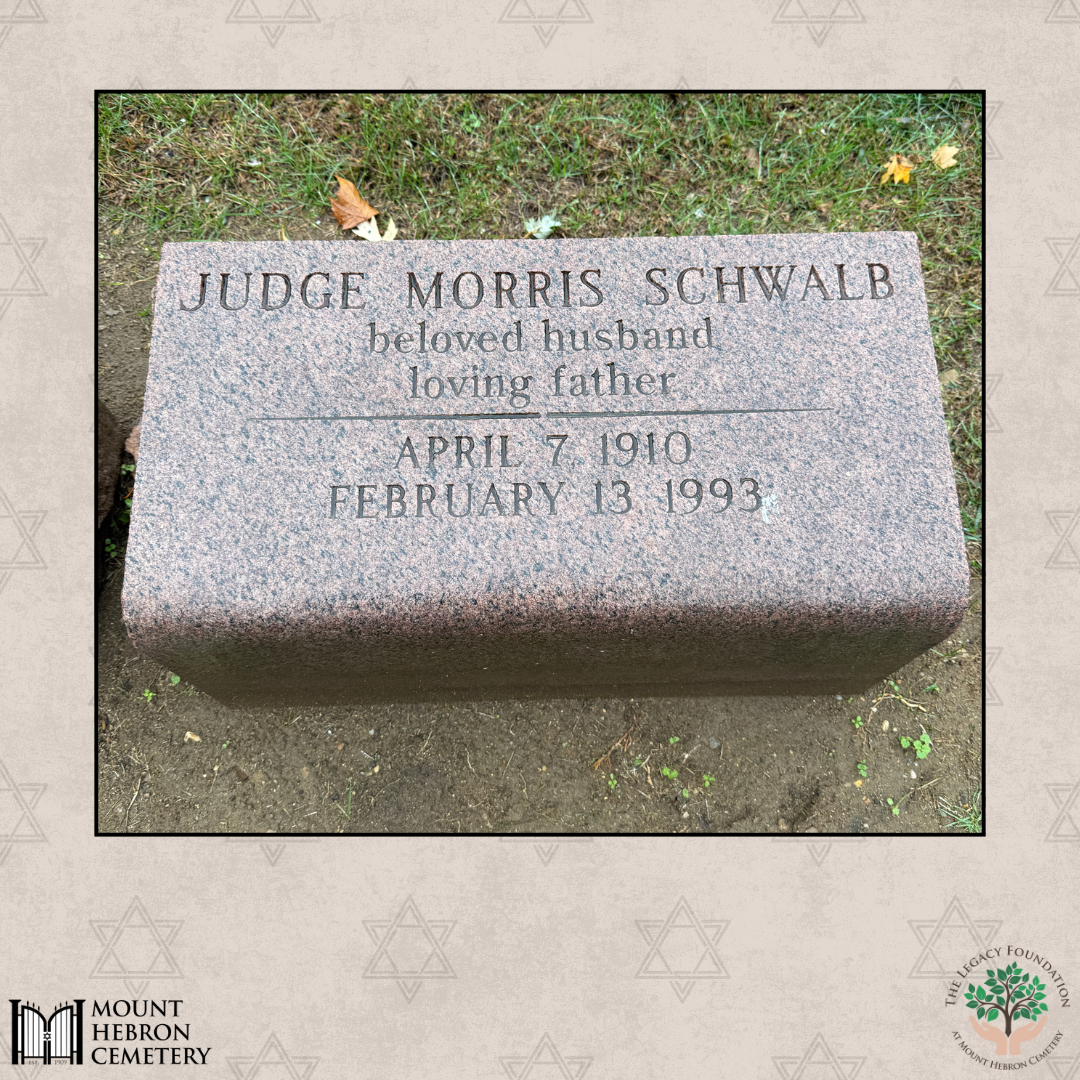
Judge Morris L. Schwalb rose from a poor childhood on the Lower East Side to the New York State Supreme Court, guided by education and an unwavering belief in fairness. The son of Polish Jewish immigrants, he worked hard from an early age and built a legal career known for integrity during a changing era in the city. He loved theater, reconnected with his heritage later in life, and valued doing what was right over recognition. His daughter Susan remembers him as a principled and private man whose legacy is preserved in a Jewish historical archive.
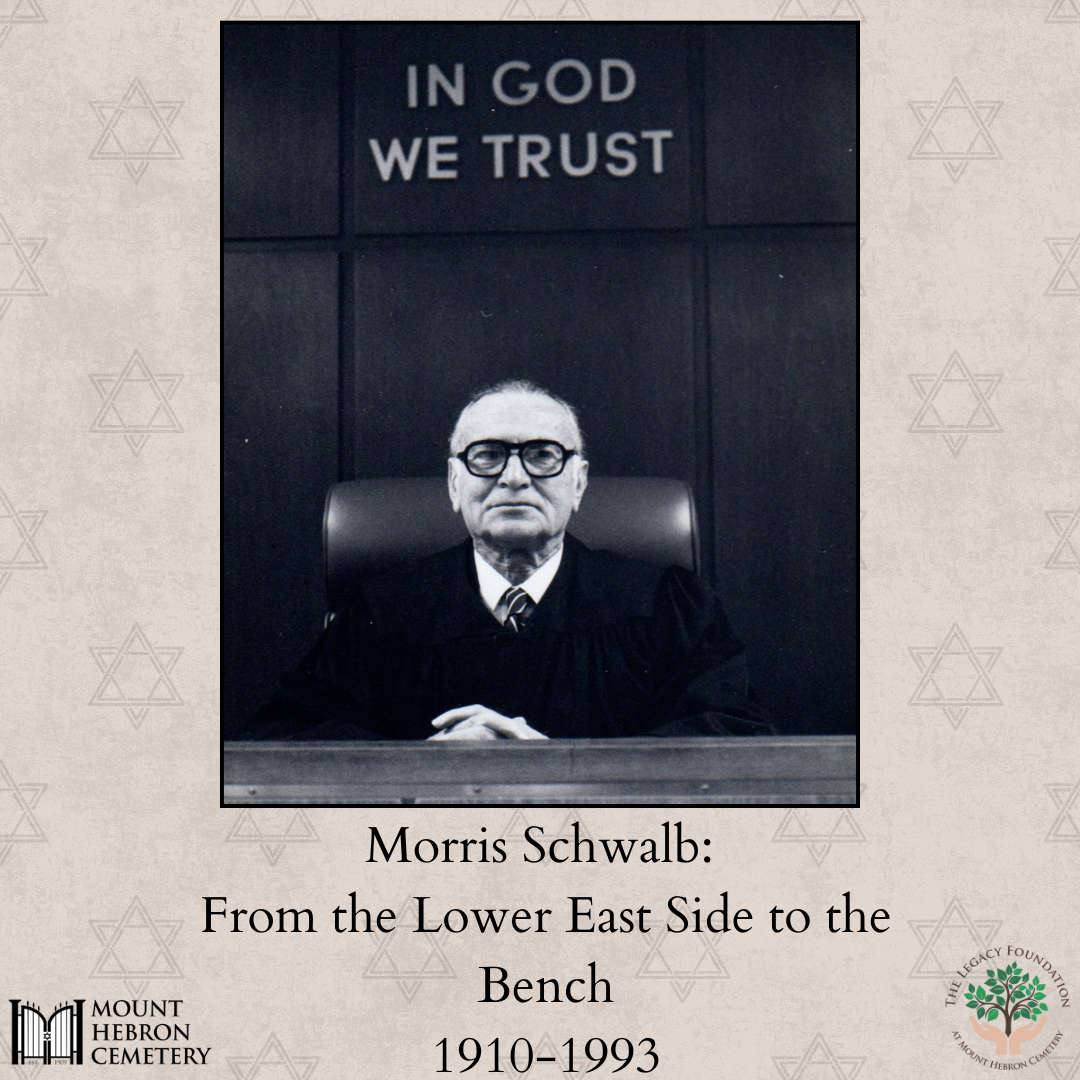
When artist Susan Schwalb speaks about her father, Judge Morris L. Schwalb, she tells a story that feels both personal and distinctly New York. His life began in the crowded immigrant neighborhoods of the Lower East Side and rose to the respect of the State Supreme Court. It is the kind of story that could only have been written in twentieth-century America, where education, discipline, and belief in fairness could carry a person from poverty to prominence.
Morris was the son of Jewish immigrants from Poland who arrived in New York at the start of the century. They were part of that great wave of families who fled hardship in Europe and sought a new beginning on Manhattan’s Lower East Side. Life there was not easy. The Schwalbs lived in a small apartment where space was scarce and money was tighter still. Morris and his brothers shared one bed, and their father woke them early to help him in the market, hauling crates and selling produce. It was a childhood defined by hard work and modest means, but also by determination.
Education was the family’s way forward. Morris showed promise as a student, and his older brother Nathan helped pay his tuition at St. John’s University. At that time, Jewish students often faced quiet barriers in higher education, but St. John’s gave him the opportunity he needed. He studied law with focus and seriousness, earning his degree and passing the bar in 1934. For a young man who had grown up with so little, it was a triumph.
The New York that shaped him was a city of contrasts. During the Depression, breadlines stretched down the streets while new skyscrapers still reached for the sky. Families shared apartments, children played stickball in the alleys, and immigrant languages mixed with the rhythm of the city. It was a place of struggle and resilience, where ambition was a necessity, not a choice.
Morris began his legal career in Manhattan and quickly earned a reputation for professionalism and fairness. He believed deeply in the power of the law to create order and protect people. Susan recalled that her father had little interest in politics and cared most about doing what was right. “He believed in fairness,” she said simply.
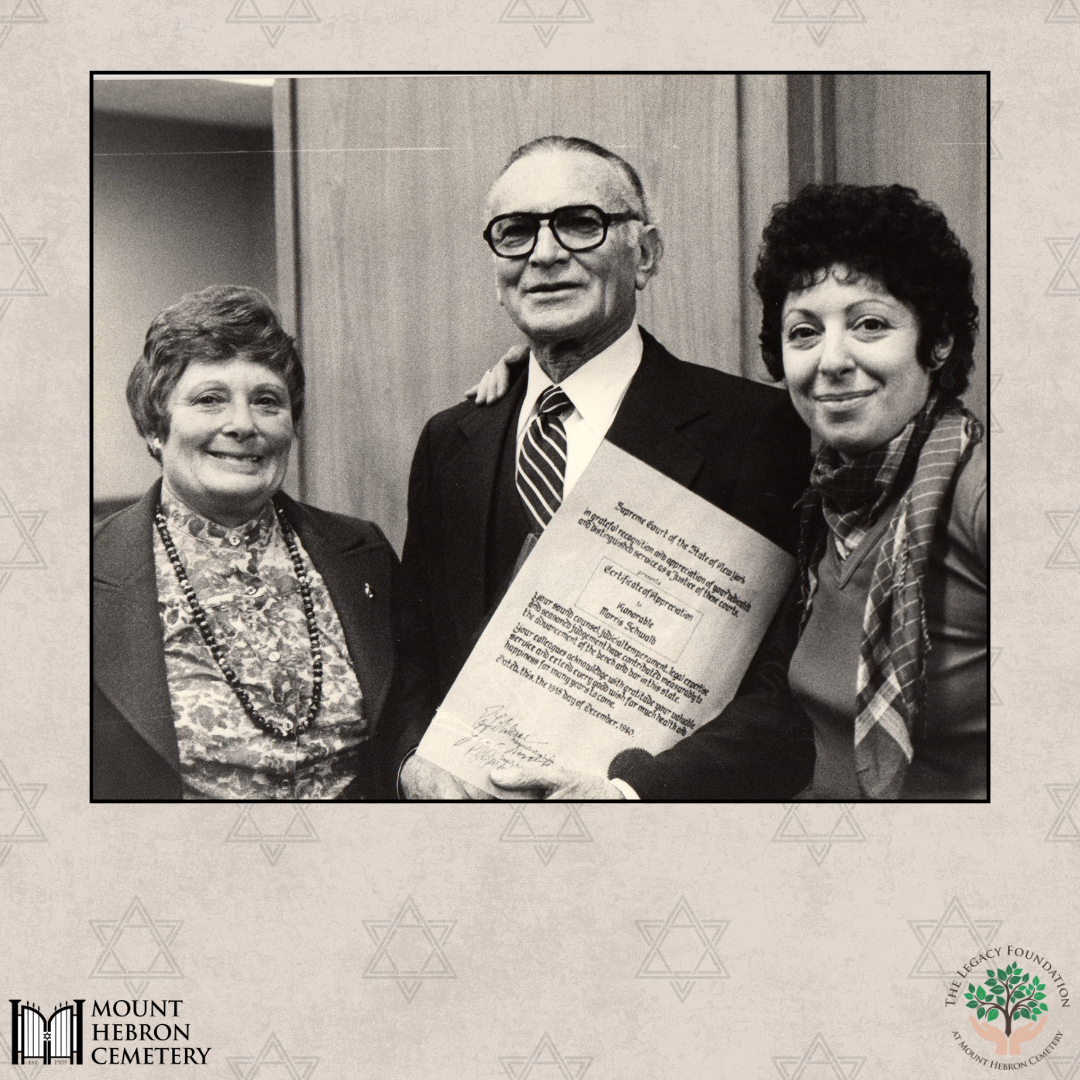
In 1968 he was appointed to the New York State Criminal Court. By then, the city had changed again. The war years and postwar boom had given way to an era of social protest, new freedoms, and growing challenges. The civil rights movement, rising crime, and economic shifts had placed enormous pressure on the courts. Judges were expected to balance compassion with authority, and Morris approached that responsibility with calm precision. Ten years later he was elevated to the State Supreme Court, a recognition of his decades of work and his reputation for integrity.
New York in the 1970s was a city of both glamour and decline. The lights of Broadway still shone, but the city faced deep financial trouble. In 1975, the fiscal crisis brought New York to the edge of bankruptcy, and the phrase “Ford to City: Drop Dead” appeared on front pages. Yet, amid the hardship, the city’s creative life thrived. Theaters filled with bold new productions, artists transformed old lofts into studios, and the streets pulsed with energy. It was in this environment that Morris lived and worked, believing that the city, like its people, would find a way through its difficulties.
Away from the bench, Morris had a deep love of culture. Theater was his greatest passion. Before the production of Fiddler on the Roof, he invested in an earlier stage project produced by Harold Leventhal, who was known for bringing Jewish and folk music to a wide audience. The investment was modest, but it reflected his genuine belief in the importance of the arts. He followed the growth of New York’s theater world closely, attending plays and musicals whenever he could. Fiddler on the Roof became his favorite. Its themes of faith, tradition, and endurance spoke to him as the son of immigrants who had found their place in America.
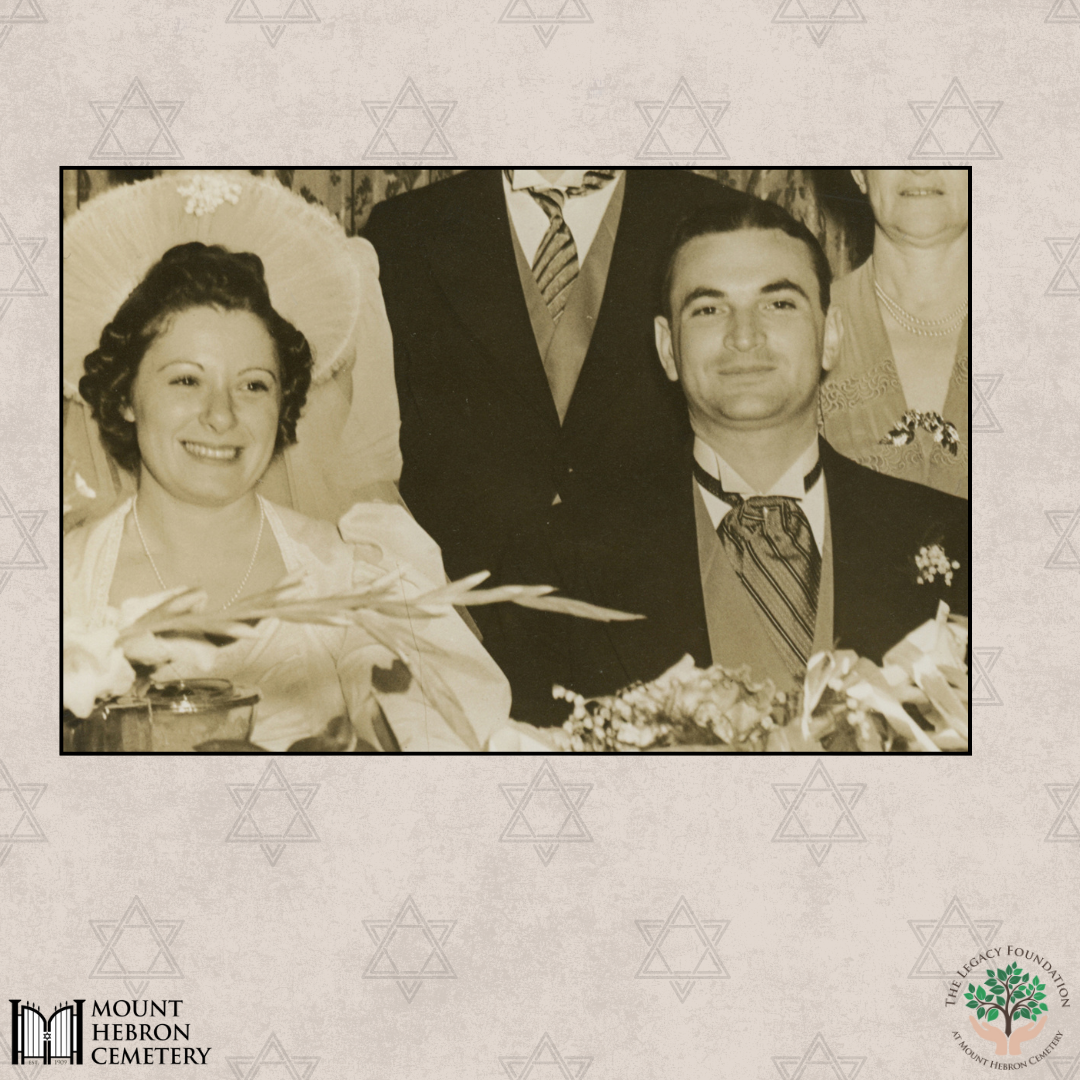
He married a woman from a more established German-Jewish family, a match that represented both love and a joining of two different Jewish worlds. Their marriage reflected the social mobility of the postwar generation, when children of immigrants were beginning to achieve the security their parents had dreamed of.
Though not a religious man for most of his life, Morris began to reconnect with Judaism in his later years. After reaching the mandatory retirement age of seventy, he continued working as an arbitrator, handling disputes with the same even temperament that had guided him throughout his career. He remained intellectually curious and devoted to the ideals of fairness and professionalism that had shaped him from the start.
Eventually he suffered a stroke and moved to the Hebrew Home for the Aged in Riverdale. He spent his final years there and died at the age of eighty-two from pneumonia at St. Joseph’s Hospital in Yonkers.
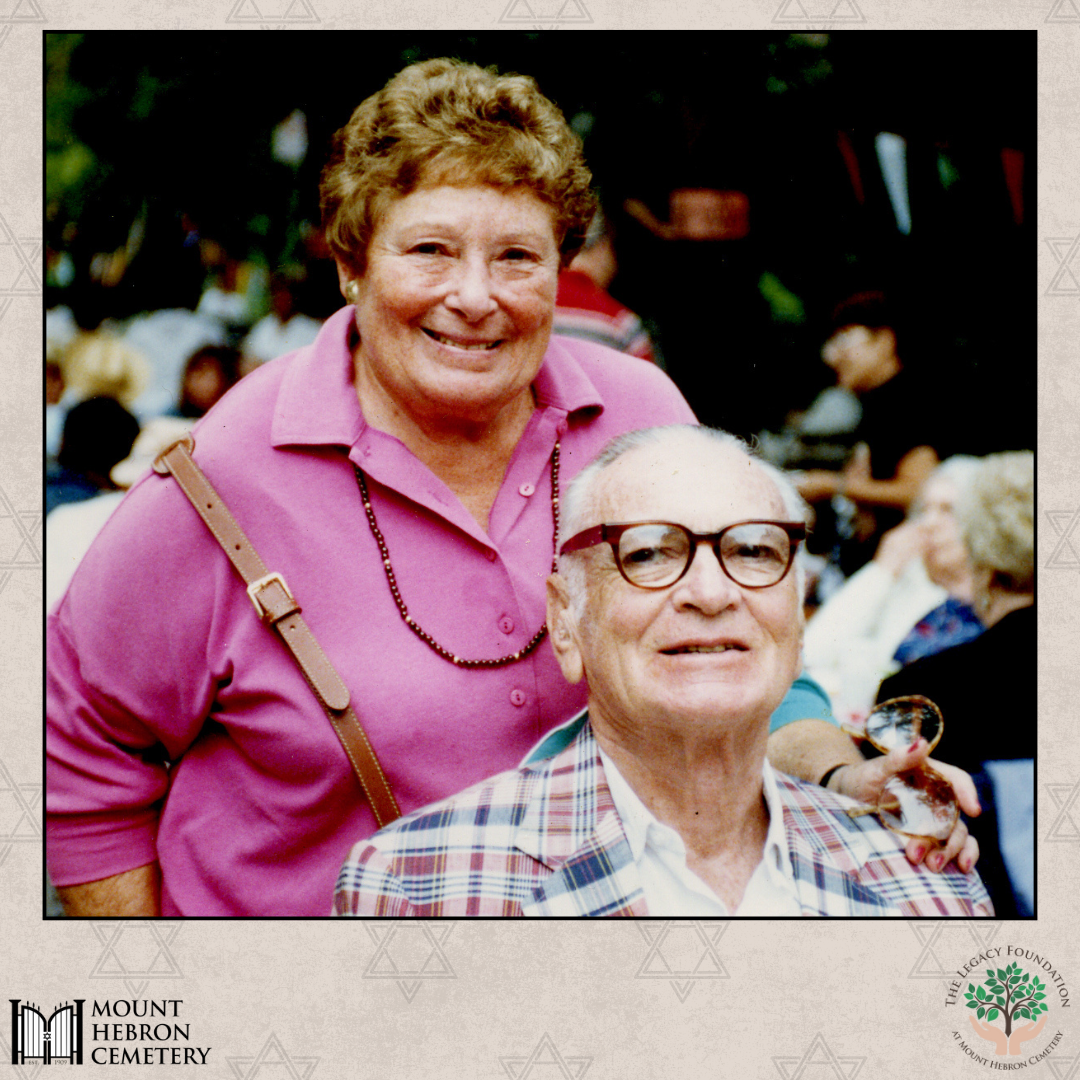
Susan described her father as private and complex, but also deeply principled. Their relationship grew closer as she came to understand how much his early struggles had formed him. “He came from nothing,” she said, “and he made a life through education and hard work.” His strength and discipline were constant, even when his emotions were not easily shown.
To honor his life, Susan donated his professional papers and personal documents to a Jewish historical collection at Fordham University. The archive ensures that his story and work remain part of the larger record of Jewish-American achievement and New York legal history.
The life of Morris Schwalb reflects both the story of one family and the spirit of a city. It begins in the narrow streets of the Lower East Side, where hope had to compete with hardship, and it ends in the quiet offices of the courts where justice was practiced with care. It tells of a man who valued honesty more than comfort, who loved the law, the arts, and the city that gave him his chance.
When Susan Schwalb speaks about her father today, she sees more than a judge. She sees a man who carried his family’s hopes into a new world and believed that fairness and integrity mattered above all else. His story is a reminder that the American dream is not measured in wealth or fame, but in the steady pursuit of purpose and the belief that doing good work is its own reward. In the life of Morris Schwalb, the immigrant experience, the story of New York, and the quiet courage of one man come together in a way that still feels timeless.