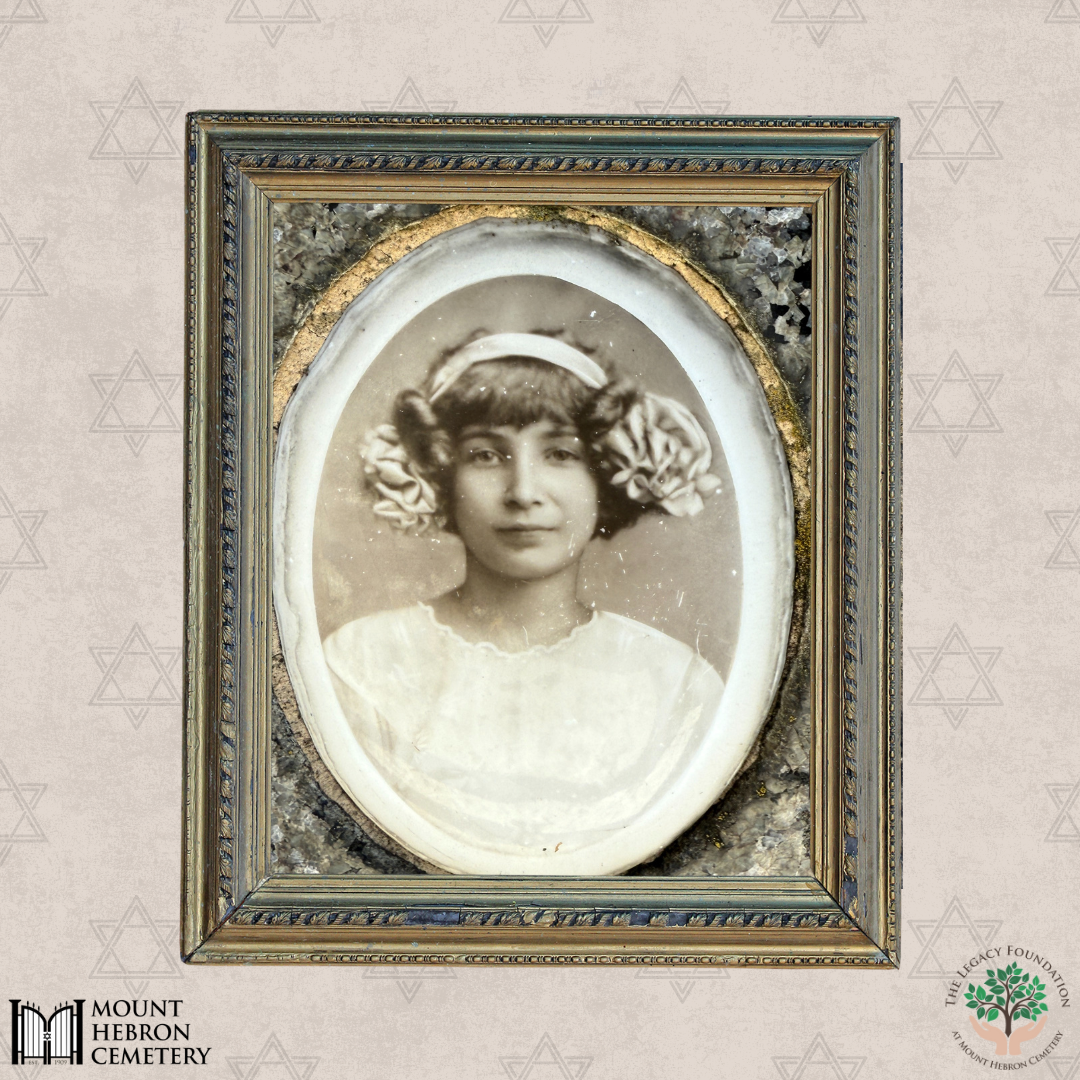
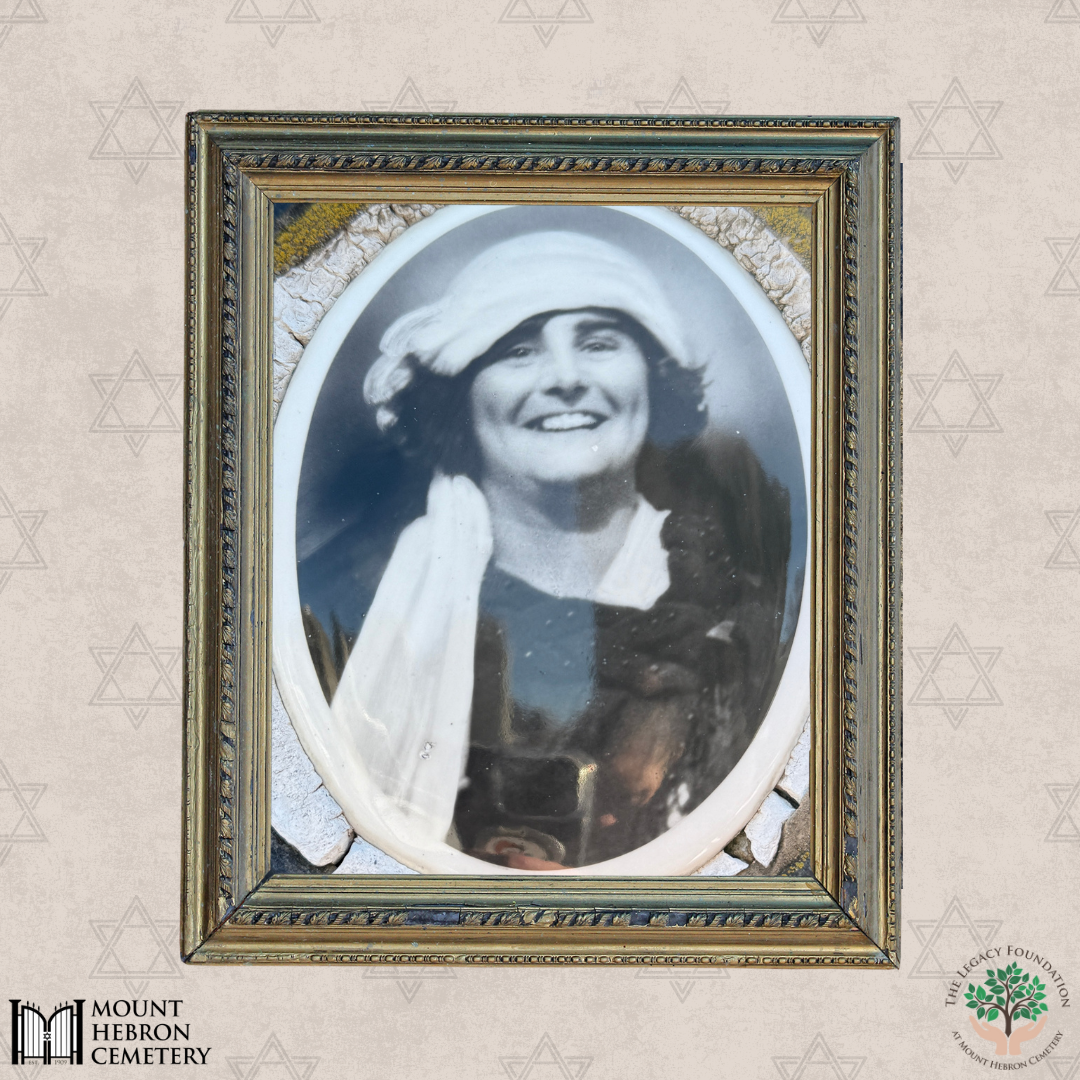
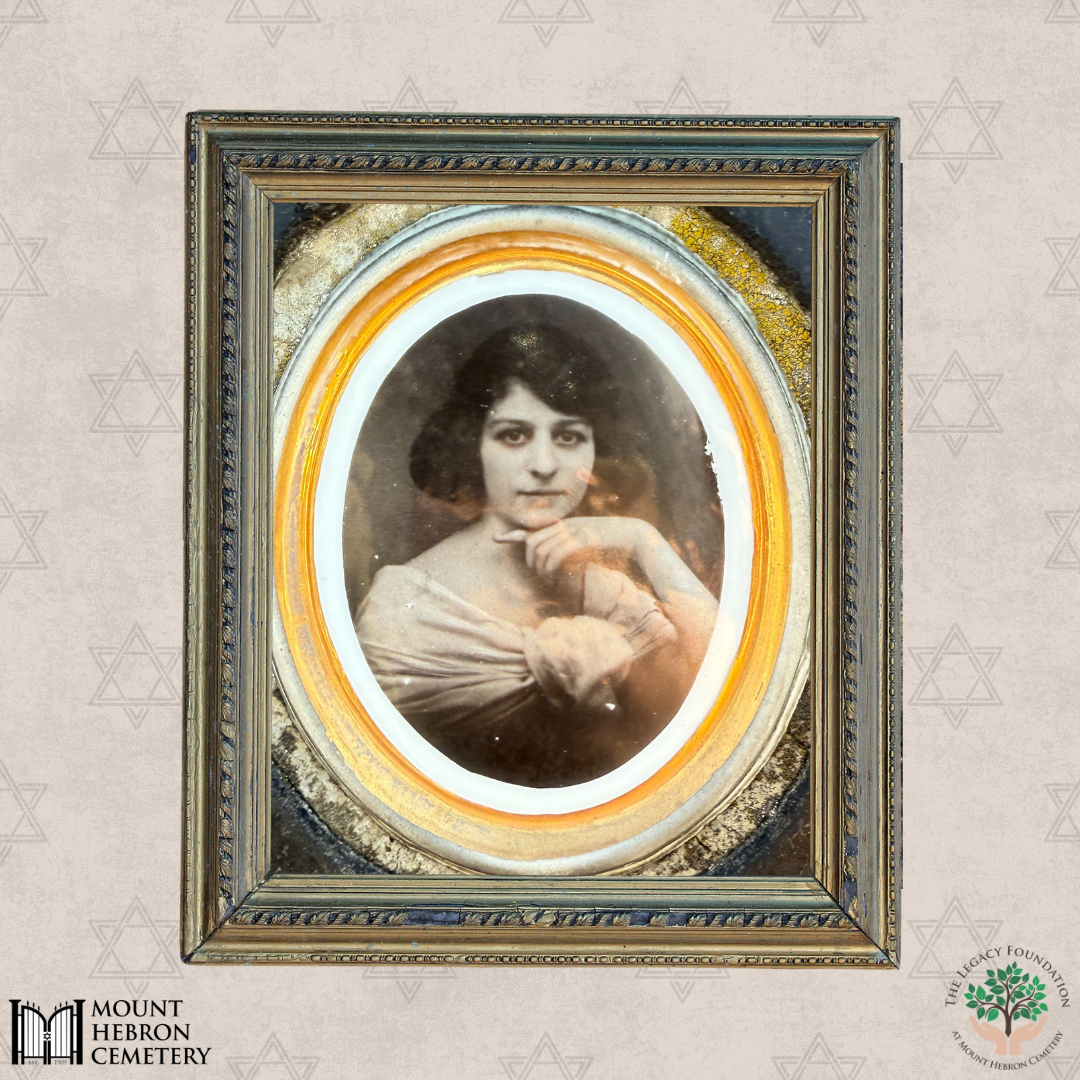
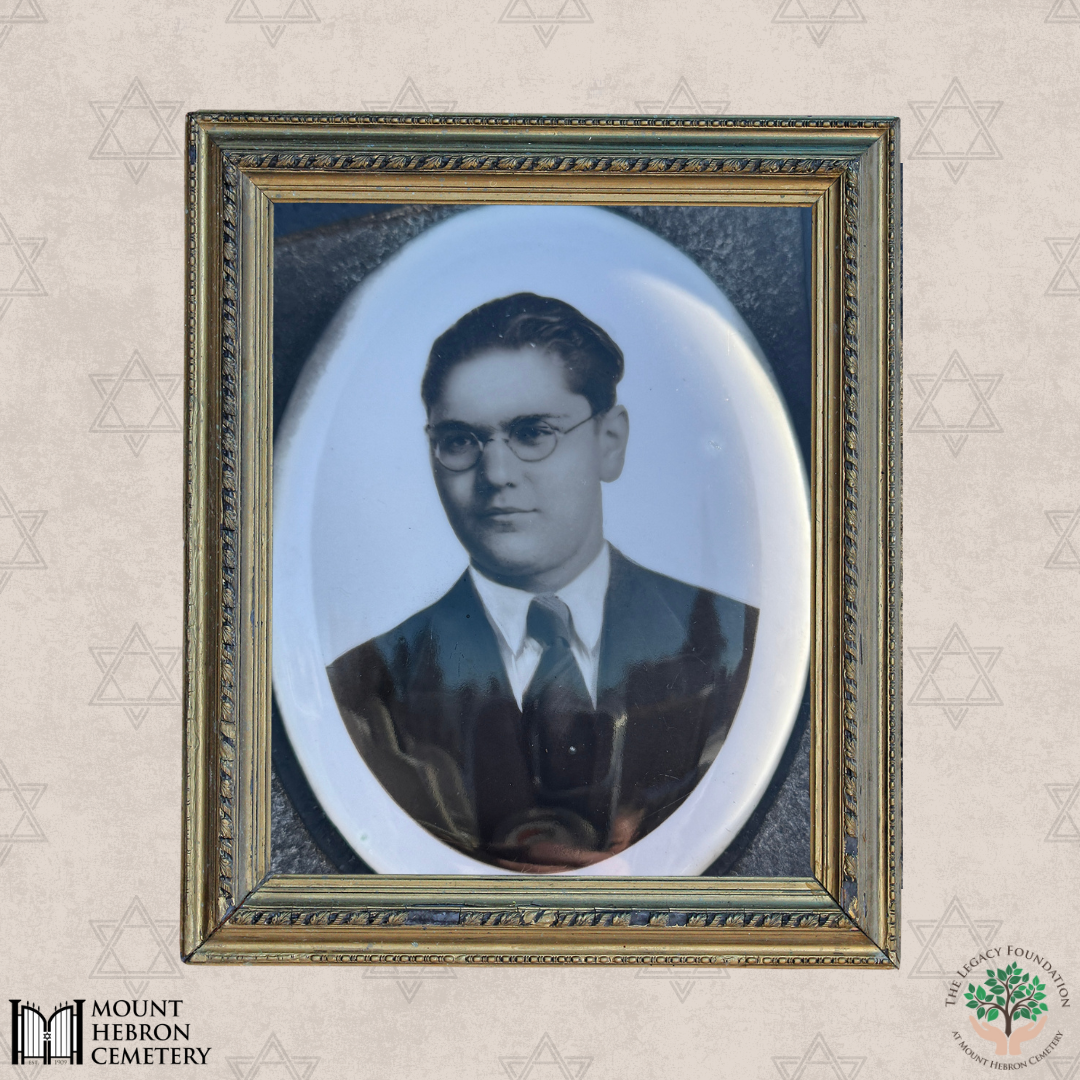
Story Summary:
The Progressive Kittagoroder Podolier Society was founded by immigrants hailing from Kitay-Gorod (Kitai-gorod), Russia. Documentation marks the earliest Jewish settlement in Kitay-Gorod to the eighteenth century. By the twentieth century, the town had established itself as a major financial and commercial district, home to many banks and trading companies. From 1791-1856, most Jewish communities were required to live only within the Pale of Settlement. The 1905 Revolution, the First World War, and both 1917 Russian Revolutions marked periods of severe anti-semitic violence against the Jewish communities of Russia. Population records for the Jewish community of Kitay-Gorod vary, but show an increase with there having been ~640 in 1897, and ~1500 in 1926. Today, visitors can travel to see Kitay-Gorods' 16th century defense wall, and the Choral Synagogue. May the memories of Kitay-Gorods' Jewish community live on. ~Blog by Olivia Scanlon
The Progressive Kittagoroder Podolier Society was founded by immigrants hailing from Kitay-Gorod (Kitai-gorod), Russia. Kitay-Gorod is the oldest district as part of Moscow, and it lies east of the Red Square. Documentation marks the earliest Jewish settlement in Kitay-Gorod to the eighteenth century. The community consisted of orthodox, conservative, progressive and Reform (Neolog) Jews. By the twentieth century, the town had established itself as a major financial and commercial district, home to many banks and trading companies.
In 1791, Russia’s Jews were required to live only within the Pale of Settlement. In 1856, this restriction was lifted by Tsar Alexander II. By 1917, the Pale of Settlement had been formally abolished. Following the outbreak of the Russian Revolution (1905-1907), the Jewish communities became targets of anti-semitic violence. The pogroms tended to stem from political instability and economic/religious tensions. The pogroms, historically speaking, had been initially concentrated on the shores of the Black Sea, and moved outward towards Russia, Poland, and present-day Ukraine. Anti-semitic violence was further exacerbated during the First World War and the two Russian Revolutions of 1917. Many Jewish self-defense units were established. Much of the Jewish community, however, had perished as a result of the military pogroms.
Population records for the Jewish community of Kitay-Gorod vary, but show an increase with there having been ~640 in 1897, and ~1500 in 1926. Kitay-Gorods’ Jewish cemetery was demolished in the 1960s. Because synagogue construction was banned in Kitay-Gorod, their synagogue lies outside of the district. The Moscow Choral Synagogue can be found near the Kitay-Gorod metro station. This synagogue was constructed in 1906. Today, visitors can visit the synagogue as well as see the remains of Kitay-Gorods’ Wall, which was built in the 16th century (by architect Petrok Maly) and demolished in the 20th century to accommodate the growing population.
https://www.quest-cdecjournal.it/the-pogroms-of-the-russian-civil-war-at-100-new-trends-new-sources/
https://iajgscemetery.org/eastern-europe/ukraine/kitay-gorod
https://jguideeurope.org/en/region/russia/moscow/
https://www.smarttravelers.de/en/sights/russia/moscow/kitai-gorod/
https://hum54-15.omeka.fas.harvard.edu/exhibits/show/moscows-lost-structures/kitai-gorod-walls
https://www.jewishvirtuallibrary.org/the-pale-of-settlement#:~:text=These%20decrees%20were%20intended%20to,(Yekaterinoslav)%2C%20and%20Taurida%20(