Story Summary:
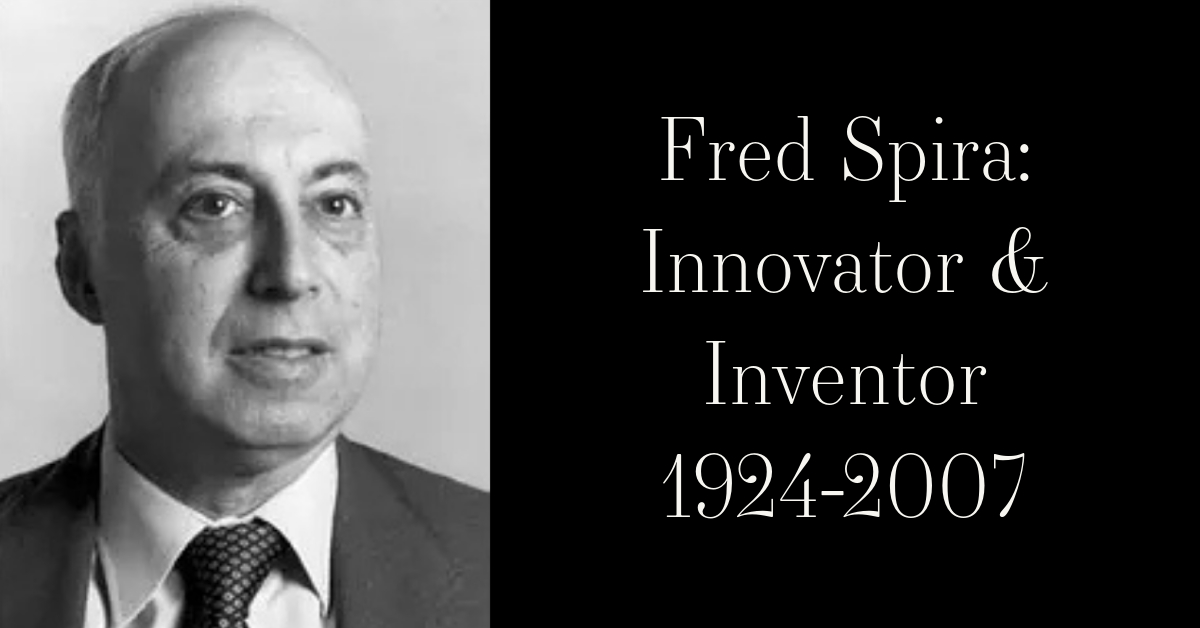
Fred Spira (1924-2007) was an inventor and an innovator in photography. He was also a collector of photographic equipment, images, books, and ephemera. Sipra was one of only three individuals who opened up the U.S. market to quality Japanese photographic goods.
~Blog by Renee Meyers
Fred Spira: Innovator & Inventor
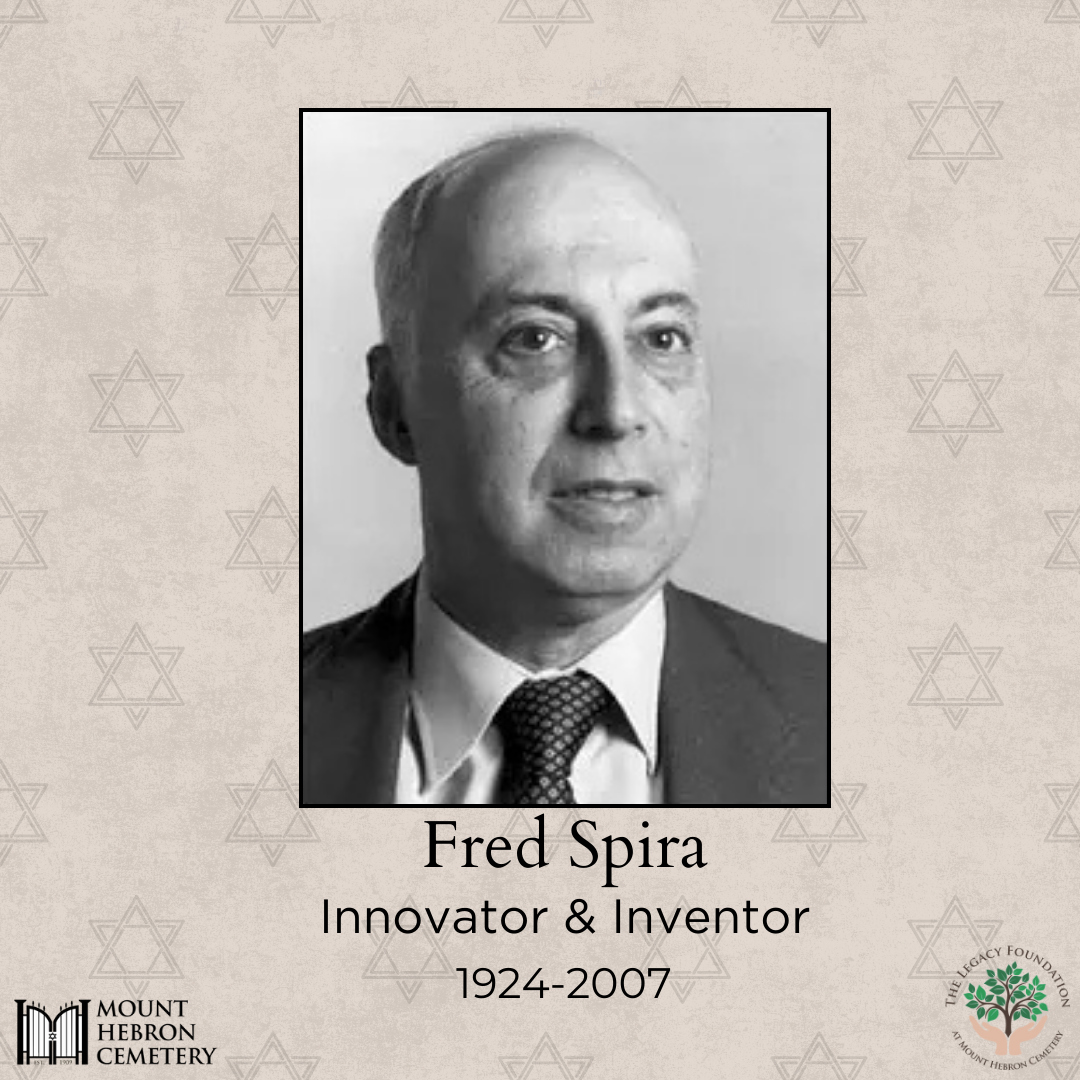
Siegfried Franz (Fred) Spira was born in Vienna, Austria to Hans and Paula Spira. Hans Spira was an executive at the Bodencreditanstalt Bank and later owned the Photohaus Spira-Ritz Camera Shop. The Spira family had a very comfortable life in Vienna, one that reflected the thriving Jewish middle class that had built itself into the fabric of Austrian cultural and commercial life over generations. As a child, Fred attended the Gymnasium school until he was forced to leave due to increasing antisemitism. Vienna in the late 1930s was changing rapidly and dangerously. After the Anschluss of March 1938, when Nazi Germany annexed Austria, Jewish families found themselves stripped of their rights, their businesses and their futures almost overnight. The city that had produced Freud and Mahler and Herzl was now a place where Jewish children could no longer attend school and Jewish men were forced to scrub the pavements on their knees for the entertainment of jeering crowds.
In March 1939, Fred left Vienna when he joined a Kindertransport rescue mission and, as a result, Fred resided in Doncaster, England for 10 months. The Kindertransport was one of the most remarkable humanitarian efforts of the war years, a rescue operation that brought nearly ten thousand Jewish children out of Nazi-occupied Europe to safety in Britain between 1938 and 1940. Most of those children never saw their parents again. Fred was one of the fortunate ones. The Spiras found a home for Fred after they placed an advert in the Manchester Guardian stating "Austrian boy, age 14, with affidavit for America, needs temporary home in England." In 1940, Fred and his father left England and sailed to North America on the SS Antonia. When they arrived in New York, the two were reunited with Fred's mom who had arrived in New York on the SS Volendam in February 1940.
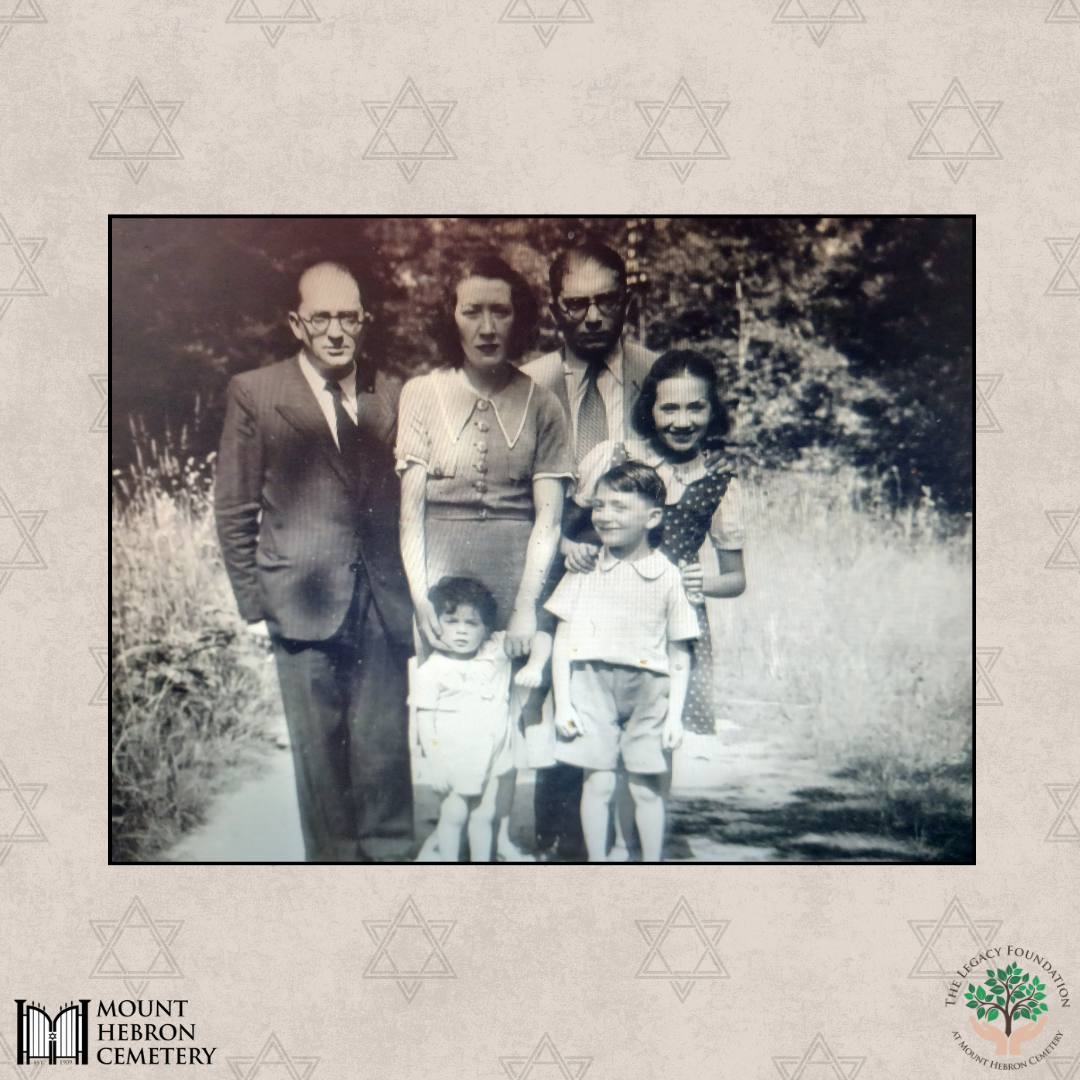
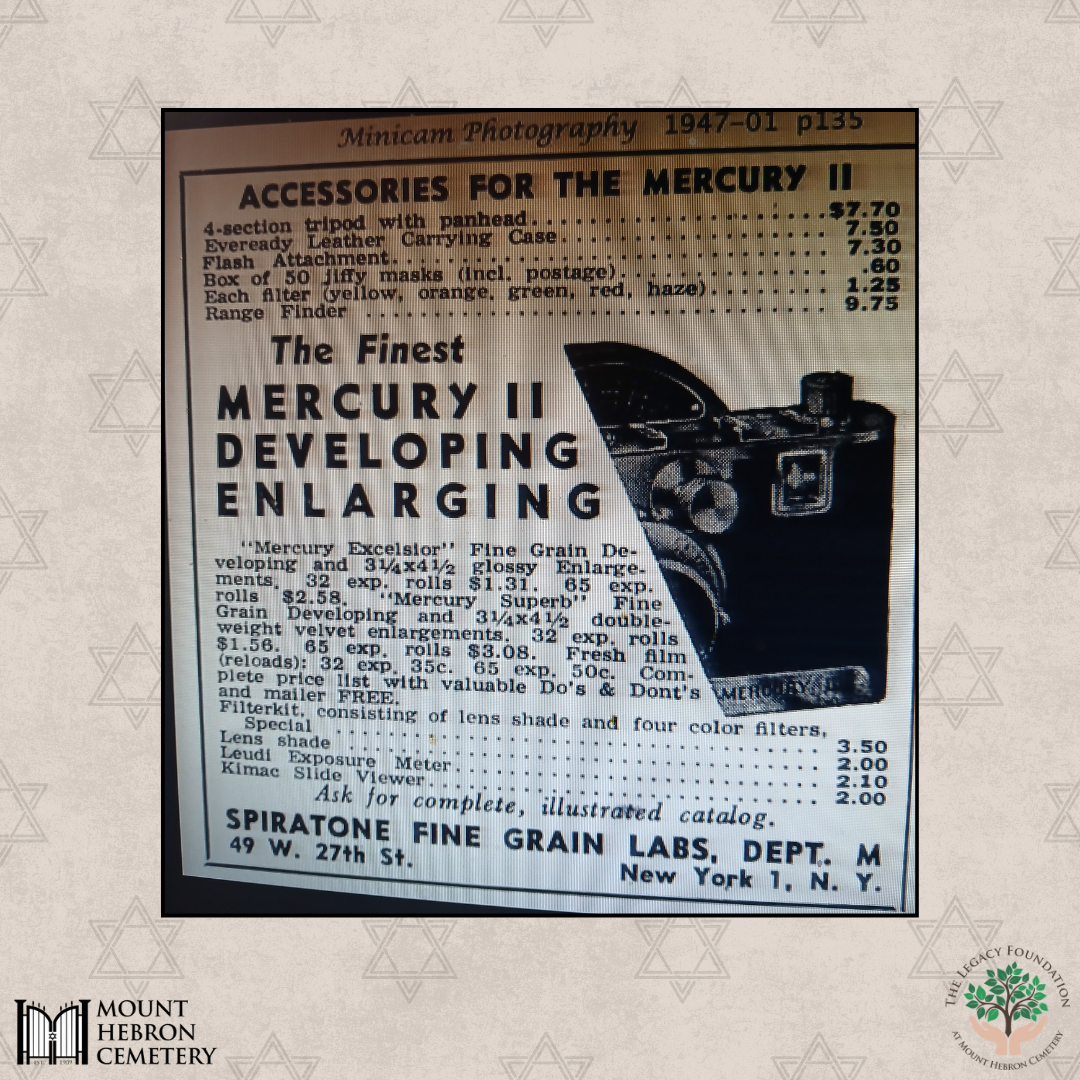
When the Spira family arrived on the shores of America, they had almost nothing. In order to survive, Hans Spira started Spiratone Fine Grain Laboratories, a photo-processing business, in their apartment which grew into a substantial business. The lab's customers included many Austrian emigrés, including members of the Habsburg family, the former rulers of Austria. Fred worked in the family business and he also had another part time job working for another photofinisher. Fred had two jobs while attending evening high school and eventually graduating as the class valedictorian. The boy who had been forced out of the Gymnasium in Vienna for being Jewish graduated at the top of his class in New York. In 1945, Fred's father died unexpectedly and Fred, who had been attending college, was forced to leave in order to support his mother and himself.
In 1946, Fred opened his own store in Manhattan and started a mail order business selling a variety of photographic equipment, including cameras and accessories. In the late 1940s, Fred became one of the first importers to work with Japanese manufacturers in developing lenses, flash units, exposure meters, tripods, and other photographic accessories. This was a bold and prescient move. Japanese manufacturing was virtually unknown in the American market at the time and most consumers were deeply skeptical of products that did not carry a European or American brand name. Fred saw the quality and the potential before anyone else did. Since his company name, Spiratone, was very well known and the Japanese brands were a completely unknown entity, the products that came out of these partnerships were marketed under the Spiratone brand. Fred established rigorous quality assurance procedures to ensure that all of the Spiratone merchandise performed as intended.

In 1967, Fred merged Spiratone with a public company named Interphoto. The relationship with Interphoto allowed Spiratone to have a much greater reach. According to product tester Herbert Keppler, tests of Spiratone lenses "often proved them equal to or superior to that of famous manufacturers' own products." The photographer and writer Norman Rothschild used Spiratone lenses and filters for many of his photographs that were published in Popular Photography magazine where he worked as a writer and editor for a third of a century.
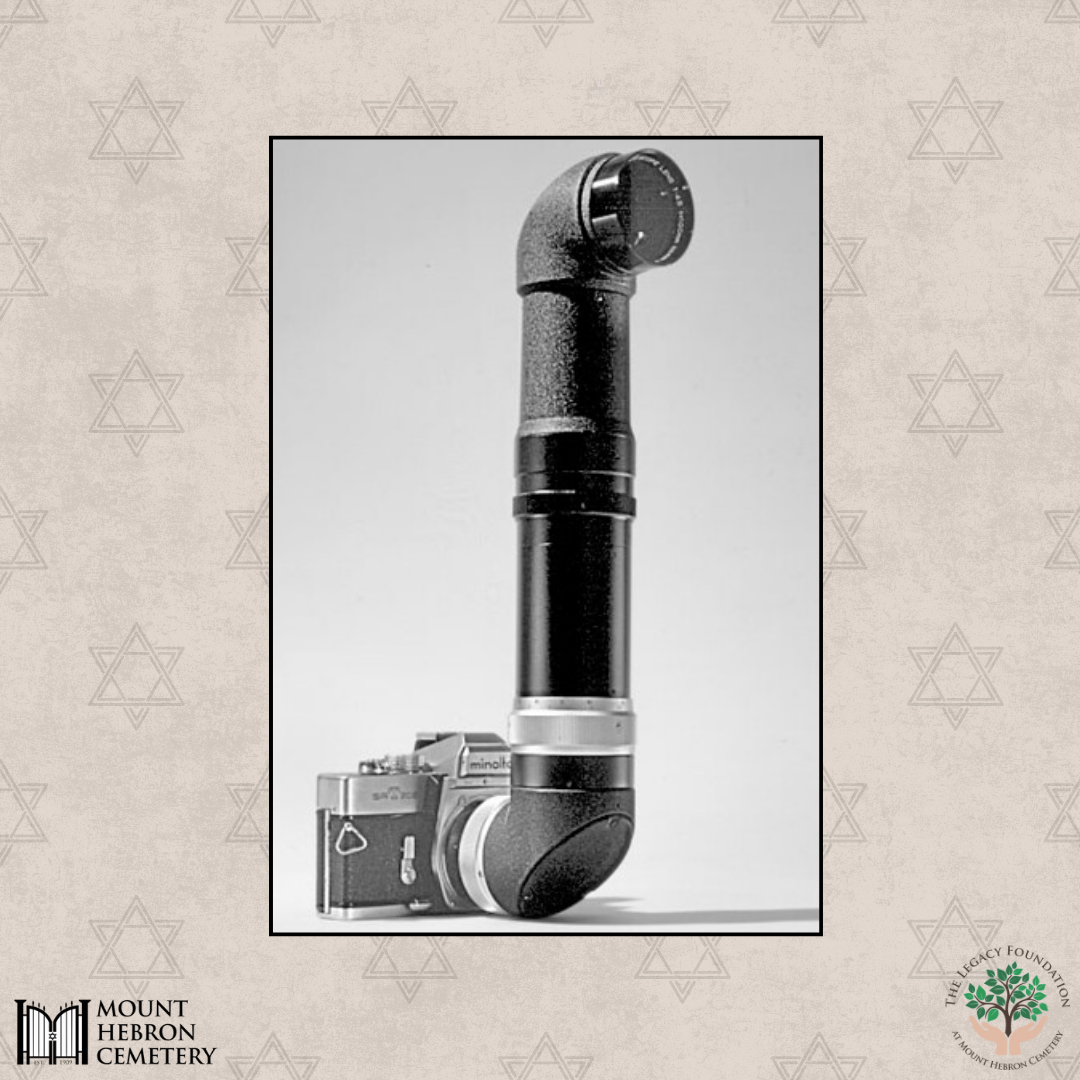
Among Fred's many innovations, he invented the first Through-the-Lens (TTL) metering system for still cameras and is credited with many other innovations in filters, lighting, darkroom, and other areas of photography. He also created the concept of interchangeable lens systems, which allowed one lens to work with multiple cameras such as Canon and Nikon, simply by changing an adapter mount. These innovations changed the way photographers worked at every level of the craft, from amateurs shooting family photographs to professionals working on assignment for the major magazines.
Fred developed a variety of filters and lens accessories that added unusual and special effects to photographs, and was "the most important" supplier of such attachments. Fred left the company in 1987, and Spiratone ceased operation in the early 1990s.
Fred started a hobby which centered around collecting autographs relating to the history of photography in the 1960s. By the end of the 1960s, Fred had progressed to collecting historic cameras. He also became involved in organizing what became the American Photographic Historical Society. His passion for the history of his field was as serious as his commitment to its future, and the collection he built over the following decades reflected both.
Fred's collection, named The Spira Collection, eventually included more than 20,000 items, including many items not found in any other collection. In 1981, the George Eastman House held an exhibit of unique pieces from The Spira Collection. This was the first time that items from a private collection were ever placed on exhibit there, a recognition of the extraordinary depth and significance of what Fred had assembled. The major part of the Spira Collection was sold to the country of Qatar. The remaining part was sold at auction in Vienna in 2006. In 2014, Qatar Museums Authority announced that severe budget cuts would result in layoffs as well as scrapping plans to build a proposed International Media Museum that would have displayed their part of the Spira Collection. Since that announcement, it is unknown what happened to Qatar's pieces from the Spira Collection since Qatar removed all mentions of the collection from their website.
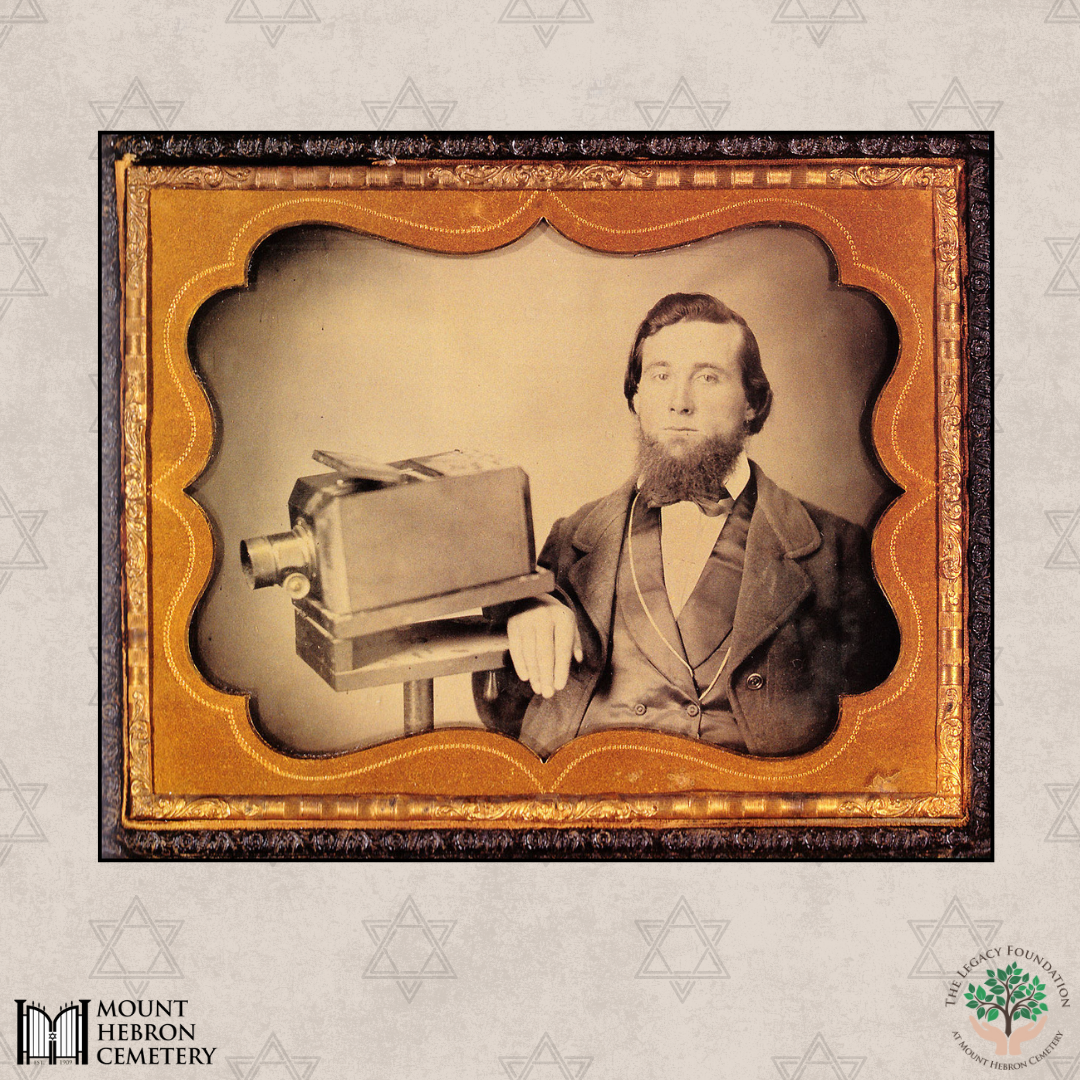
Fred’s collection named “The Spira Collection” eventually included more than 20,000 items, including many items not found in any other collection. In 1981, the George Eastman House even held an exhibit of unique pieces from The Spira Collection. This was the first-time that items from a private collection were ever placed on exhibit there. The major part of the Spira Collection was sold to the country of Qatar. The remaining part was sold at auction in Vienna in 2006. In 2014, Qatar Museums Authority announced that severe budget cuts would results in layoffs as well as scrapping plans to build a proposed International Media Museum that would have displayed their part of the Spira Collection. Since that announcement, it is unknown what happened to Quatar’s pieces from the Spira Collection since Qatar removed all mentions of the collection from their website.
In the late 1990s, Fred, with the encouragement of Aperture Foundation executive director Michael Hoffman, began writing a book on the history of photography. He used pieces from The Spira Collection as illustrations for his tome. Just as this book got started, Fred began exhibiting symptoms of Alzheimer's disease. Therefore, Fred's son, Jonathan Spira, helped finish the book. The History of Photography As Seen Through The Spira Collection was named "a best book of the year" by The New York Times. Todd Gustavson, Technology Curator at George Eastman House, called it "one of the most important photo-history books of the last quarter century."
John Durniak, former picture editor of the New York Times and Time magazine among his many titles, wrote the following about Fred in a feature article in the 1980s:
"Henry Ford did not invent the automobile and Fred Spira did not invent photography, yet both these men have had almost as much influence on their respective fields as the original inventors. What Ford did to our economy and culture with the concepts behind the Model A and Model T, Spira has done to photography with his accessory lenses, close-up attachments and processing machines."
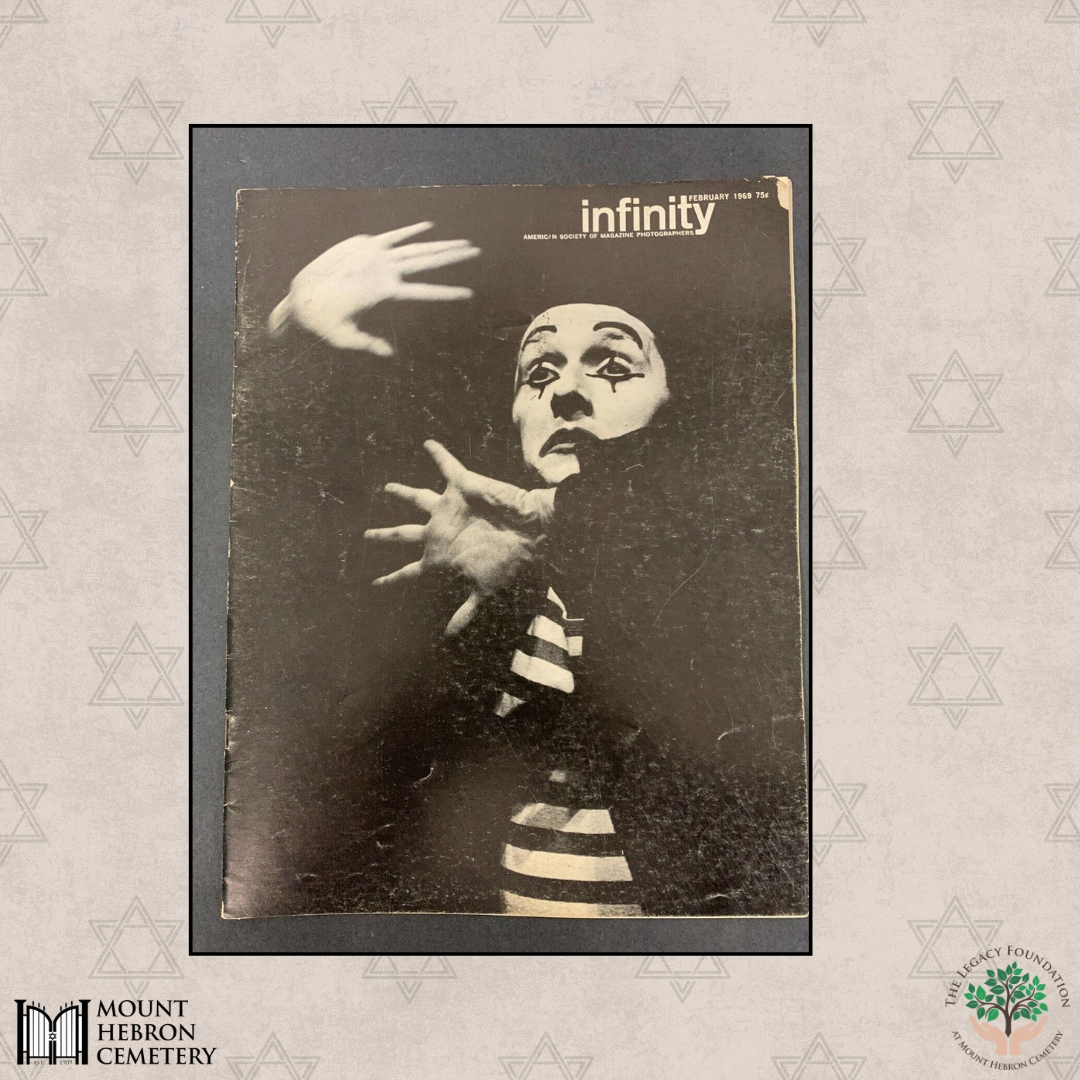
Henry Ford did not invent the automobile and Fred Spira did not invent photography, yet, both these men have had almost as much influence on their respective fields as the original inventors. What Ford did to our economy and culture with the concepts behind the Model A and Model T, Spira has done to photography with his accessory lenses, close-up attachments and processing machines.
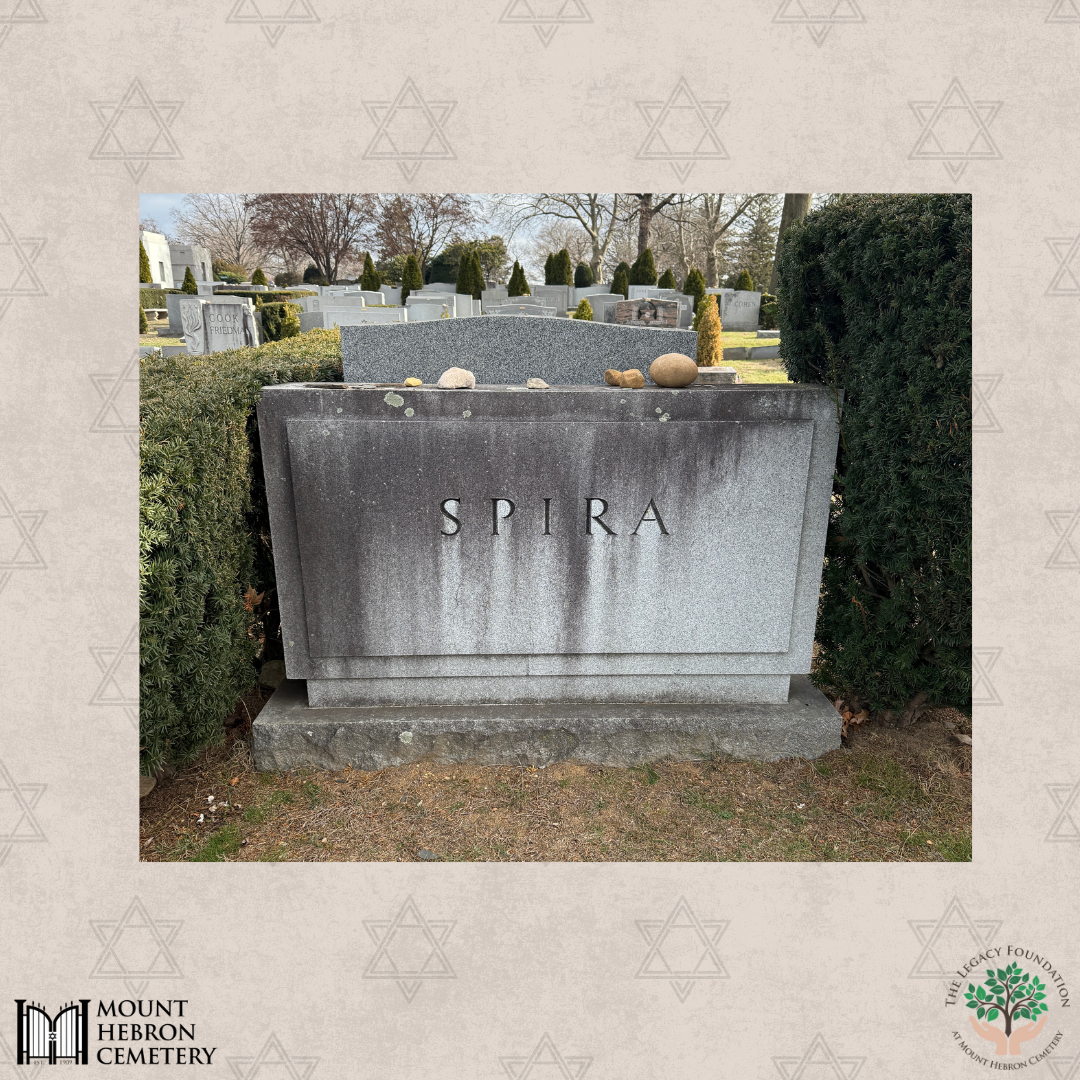
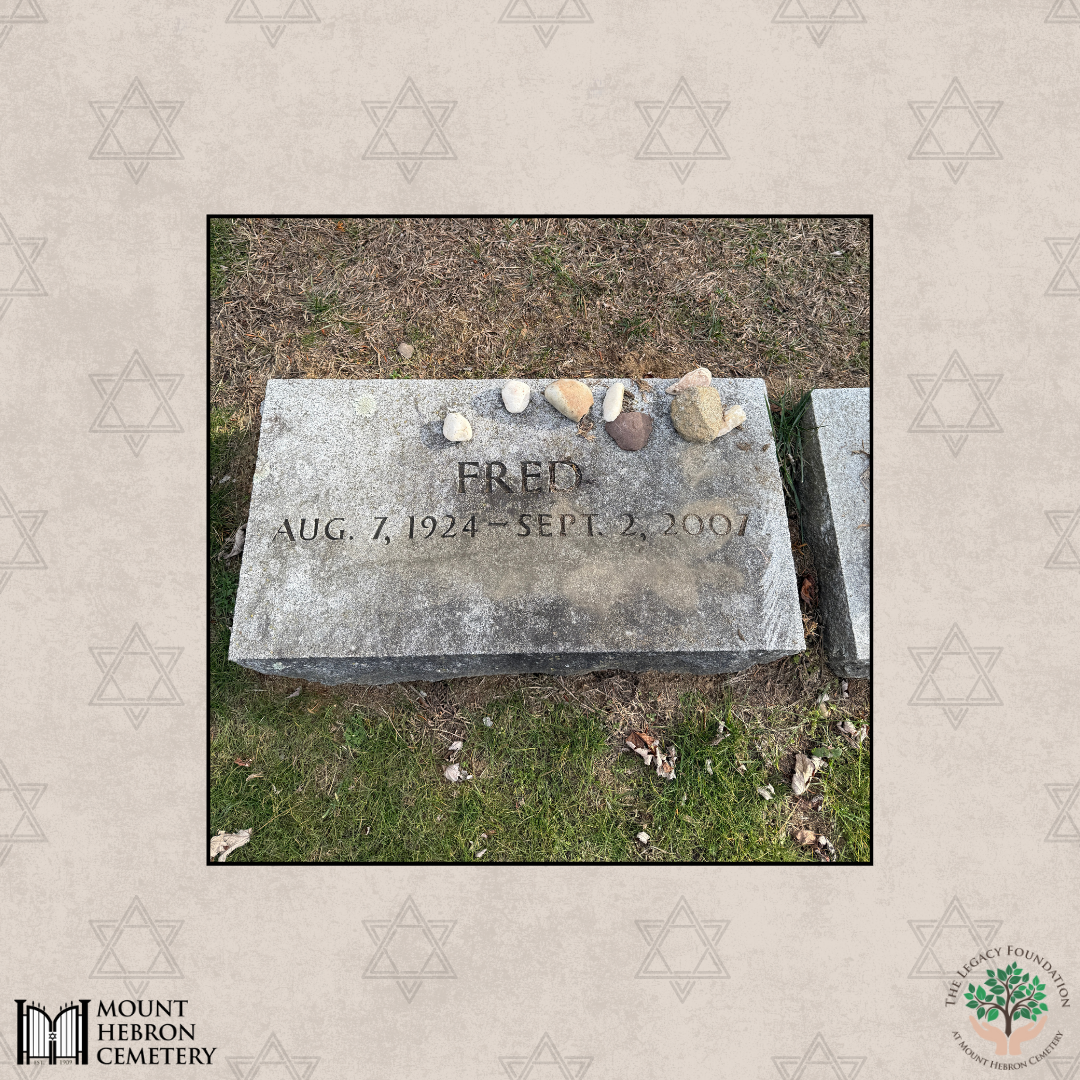
Fred Spira died from complications of Alzheimer's disease on September 2, 2007, at his home in Beechhurst, Queens, New York, at the age of 83. He is buried at Mount Hebron Cemetery in Flushing, Queens. The boy who arrived from Vienna with almost nothing built one of the most influential careers in the history of American photography. He never stopped inventing and he never stopped looking forward.
May his memory be a blessing.