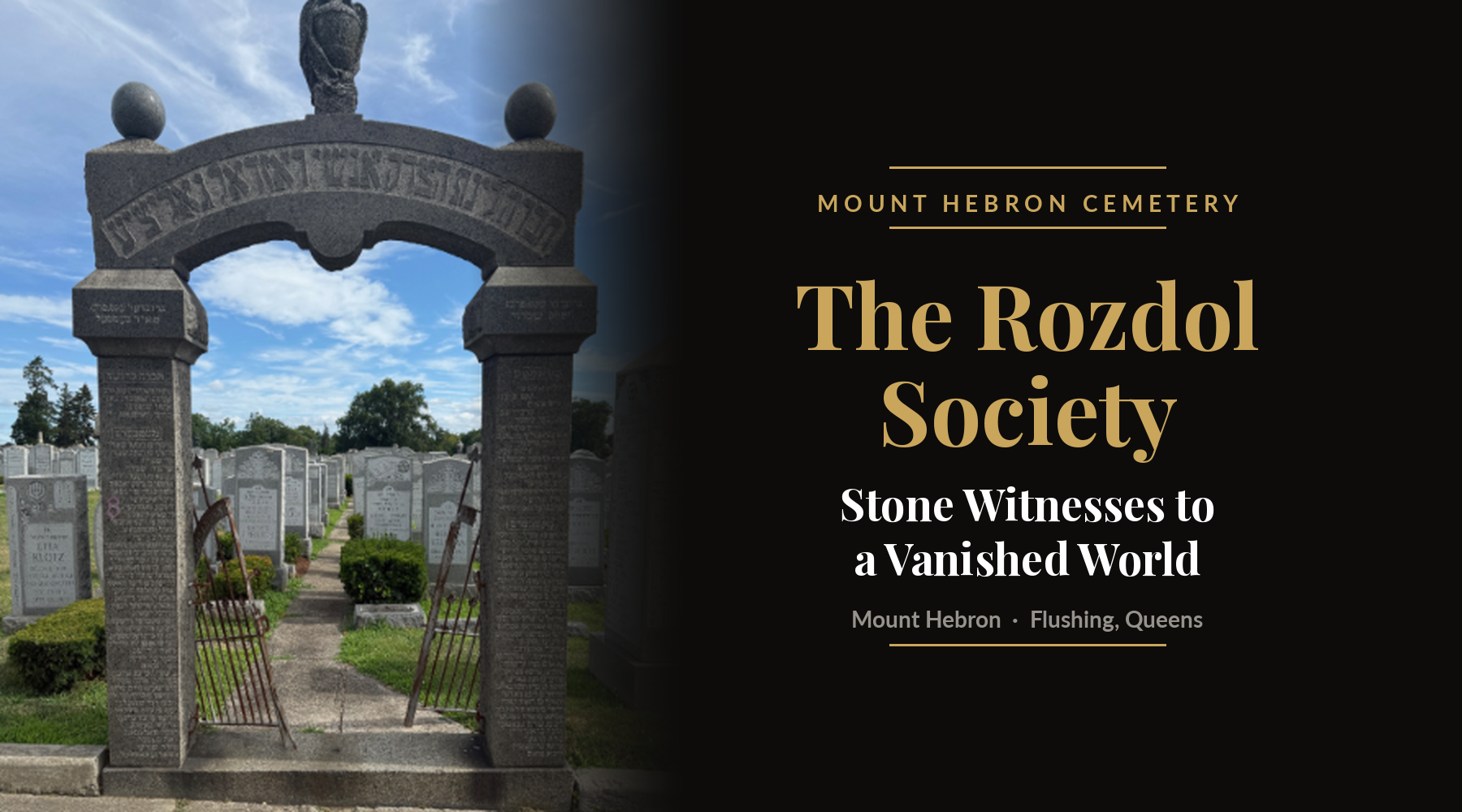
Story Summary:
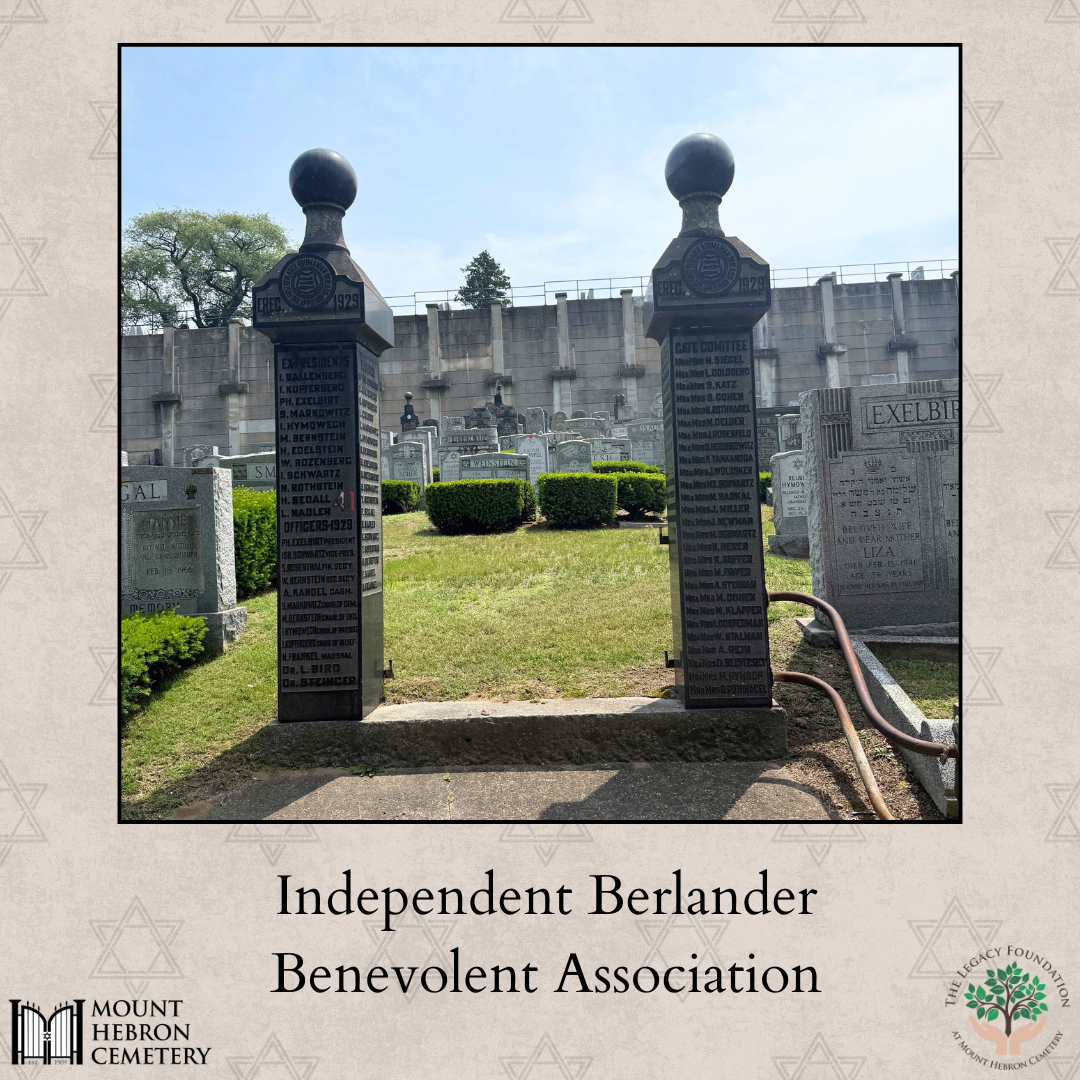
The Independent Berlander Benevolent Association was founded in New York in 1919 by immigrants from Barlad, Romania, and dissolved in 1975. Jews had lived in Barlad since the early 17th century. They were leading merchants and shopkeepers. Riots and libels drove many away, and around 1900 families left in such numbers, ten or fifteen every few days, that people called it the Emigration on Foot. Those who stayed built schools, revived the hospital, and founded Zionist clubs. Before the Second World War they kept eight synagogues and three cemeteries. After the war, most left for the United States and Israel. By 2004, fewer than 50 Jews remained, with one synagogue still open. ~Blog by Olivia Scanlon
Independent Berlander Benevolent Association Blog
The Independent Berlander Benevolent Association was established in 1919 New York by immigrants from Barlad (Berlad), Romania. The society was dissolved in 1975.
Initial Jewish settlement dates to the early 17th century according to an inscription on a gravestone in the Jewish cemetery. By the 18th century, the Jews of Berlad had established themselves as leading merchants and store keepers. In 1803, there were about 50 Jewish households recorded. The first half of the 19th century brought economic hardships and riots carried out against the Jewish community as a result of libels. At the turn of the 19th century, many started to leave Berlad, with about 10-15 families leaving every few days. This wave of immigration led to what is called the “Emigration on Foot” movement. Periodicals were published (“Emigrantii”, “Dati Ajutor”, and “Bat Ami”) to keep track of its impact. By 1902, about 600 had left. In 1907, an anti-semitic club was formed, prompting riots against the Jews of Berlad. By the end of them, about 80 shops had been damaged.
Despite the hardships of the 19th century, the community maintained themselves well, establishing schools (modern public Jewish school opened in 1873 and a women’s public school opened in 1874), reviving the hospital, and establishing numerous zionist organizations. Some of these include a branch of the “Yishuv Eretz Yisrael” (Settlement in the Land of Israel-1881), “Bnei Tzion” (Children of Zion-1896), a branch of “Chorevei Tzion” (Lovers of Zion-1897), and the “Bettulet Bat Yehudah” (Virgin Daughter of Judea-1898). Such activity continued into the 20th century, with a Zionist culture club being established in Max Nordau’s name. A Zionist periodical called “Bar Kochba” was published between the years of 1913-1919.
During World War I, the Russian Army destroyed the Jewish cemetery. In 1926, the community prompted an effort to renovate it. During the interwar period (1918-1939), the Jews of Berlad suffered tremendously from the threat of pogroms. Prior to the outbreak of World War II, Berlad’s Jewish community maintained eight synagogues, multiple prayer rooms, and three cemeteries (two of which date to early Jewish settlement). Following German occupation, many Jewish men were sent to perform forced labor. Jews from Plopana, Murgeni, Radeni and other towns were transported to Berlad. In 1934, the hospital, the old=age home, and the bath house were all confiscated by the National Center for Romanization. After the Jews were expelled from the government-run gymnasium, the community founded their own. They devoted their efforts to providing aid to those in need. Four of Berlad’s Jews were sent into exile for being suspected Communists, however, they returned shortly after.
Following the war, the community was able to return to its normal functioning. In 1947, there were just over 3000 Jews inhabiting Berlad, however many eventually left for the United States and Israel. In 1969 about 100 Jewish families remained. In 2004, there were under 50 Jews left, with only one functioning synagogue.
http://yivoarchives.org/index.php?p=collections/controlcard&id=33314
https://www.jewishvirtuallibrary.org/barlad#:~:text=The%20Jewish%20community%20there%20is,households%20were%20recorded%20in%201803.
https://www.jewishgen.org/yizkor/pinkas_romania/rom1_00017.html
https://cja.huji.ac.il/wpc/browser.php?mode=set&id=3345
https://cja.huji.ac.il/browser.php?mode=set&id=15426
https://balkanist.net/my-jewish-family-in-romania-past-and-present/
~Blog by Olivia Scanlon